- Latest
- Trending

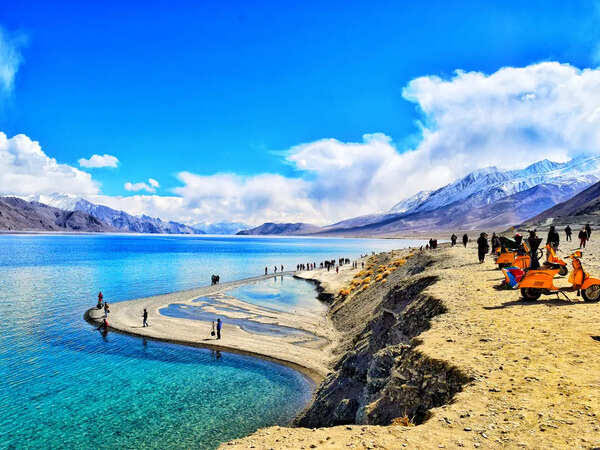
Ladakh pushes for local control in tourism
Comprehensive Summarization:
The article discusses a significant resolution passed by stakeholders in Ladakh, advocating for “restricted external investment” with strong local participation in the tourism sector. This resolution, adopted by the Ladakh Tourist Trade Alliance, reflects growing concerns about protecting local livelihoods and preserving the region’s unique identity. The alliance emphasizes that any concerns about outside investments should be addressed through lawful dialogue and coordinated efforts by local communities and trade bodies. Ladakh’s tourism ecosystem, largely built by local residents despite geographical and environmental challenges, includes hotels, guest houses, and other hospitality services. This move underscores the region’s commitment to sustainable and community-driven tourism development.
Key Points:
Actionable Takeaways:
Promote Local Participation in Tourism: Encourage travel companies and investors to prioritize local participation in Ladakh’s tourism sector. This can be achieved by offering incentives for local ownership and employment, ensuring that tourism benefits are directly felt by the local community. This approach aligns with the growing trend of sustainable and community-focused tourism, which emphasizes the importance of preserving local cultures and livelihoods.
Implement Legal Frameworks for Investment: Advocate for the development of clear legal frameworks that govern external investments in the tourism sector. This includes establishing guidelines for lawful dialogue and coordination between local communities, trade bodies, and investors. Such frameworks can help mitigate potential conflicts and ensure that tourism development aligns with local interests and environmental sustainability goals.
Leverage Technology for Sustainable Tourism: Explore the integration of technology to enhance sustainable tourism practices in Ladakh. This could involve using digital platforms for community engagement, promoting eco-friendly accommodations, and utilizing data analytics to monitor and manage tourism impacts on local environments. The adoption of such technologies can support the region’s efforts to balance economic growth with environmental conservation, reflecting broader travel industry trends towards sustainability.
Contextual Understanding:
The article’s context is rooted in Ladakh’s unique geographical and cultural challenges, which have historically driven its tourism development to be largely community-driven. The recent resolution highlights a shift towards more controlled and sustainable tourism practices, reflecting broader industry trends towards responsible and ethical tourism. Recent travel trends indicate a growing consumer preference for destinations that offer authentic cultural experiences and minimal environmental impact. Thought leaders in the travel industry emphasize the importance of balancing economic growth with cultural preservation and environmental stewardship. The Ladakh resolution aligns with these trends by advocating for a model of tourism that prioritizes local participation and sustainable practices, ensuring that the region’s unique identity is preserved for future generations.
Handling Different Article Types:
The article is a news brief, providing factual information about a significant development in Ladakh’s tourism sector. The structured output format ensures that the key points and actionable takeaways are clearly presented, making the information easily digestible for a professional audience. The contextual insights integrate the article’s content with current travel industry trends, offering forward-looking perspectives on sustainable tourism practices and the role of technology in enhancing community engagement and environmental conservation.
Read the Complete Article.
Get curated travel AI insights — choose the newsletters that matter to you.