- Latest
- Trending

US Joins Germany, UK, China, Japan, South Korea, India, Bangladesh and More Nations Paying the Price...
Comprehensive Summarization:
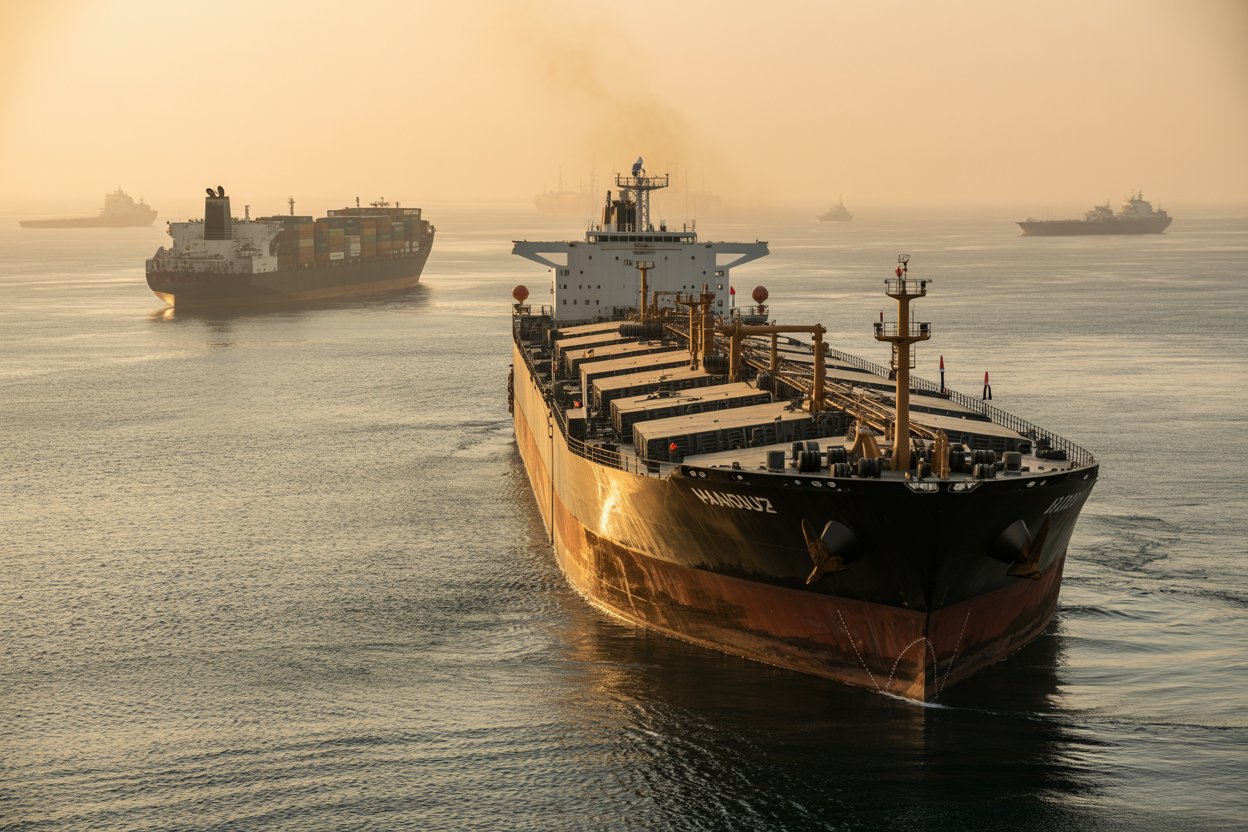
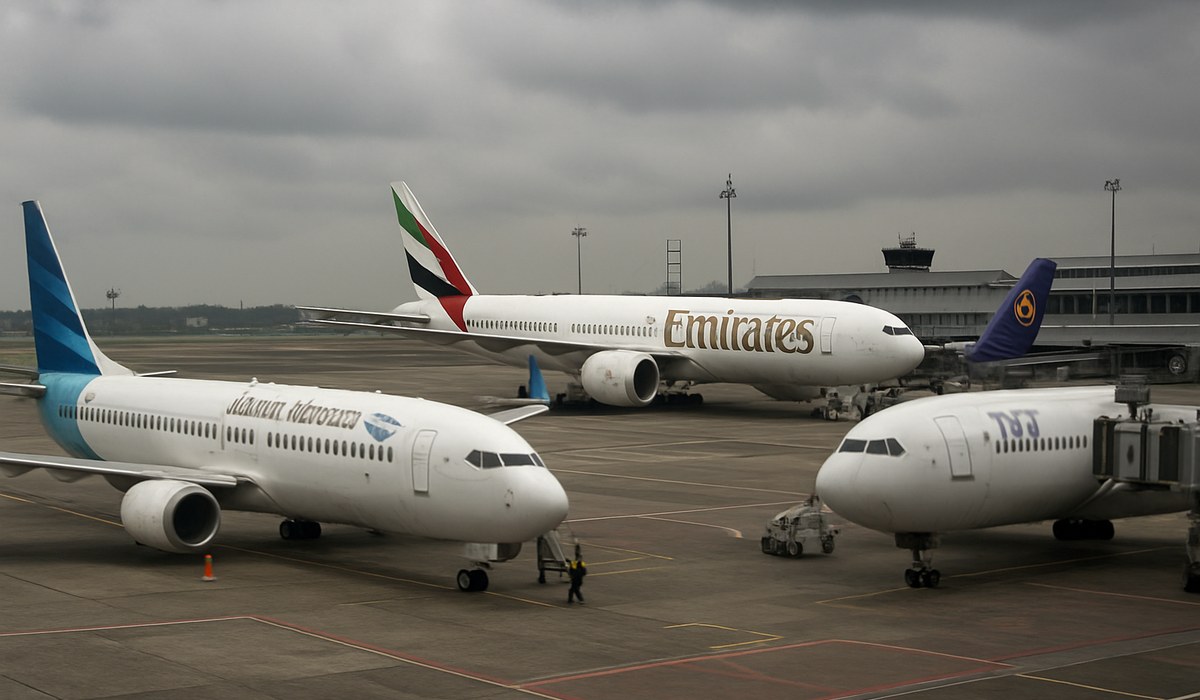
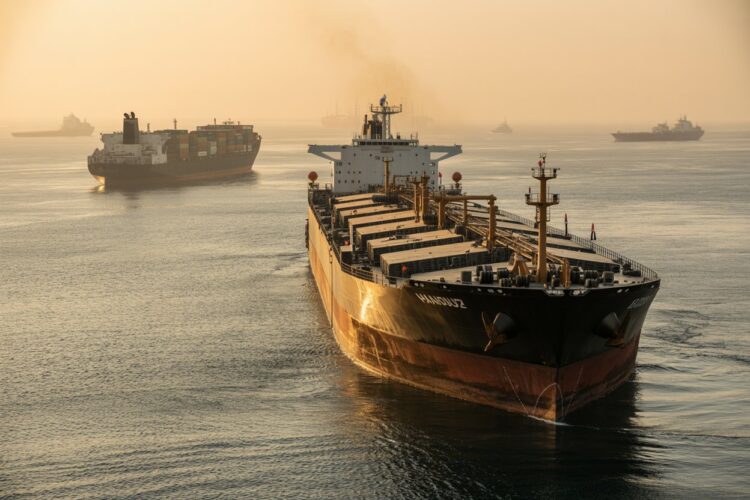
The article reports that the United States, along with Germany, the UK, China, Japan, South Korea, India, Bangladesh, and other nations, are experiencing significant tourism losses due to the Middle Eastern crisis. Iran’s blockade of approximately 20% of the global crude oil route through the Strait of Hormuz has led to disruptions in flights and raised safety concerns. This situation has triggered fuel price spikes and caused airline route suspensions, impacting the travel industry globally. The closure of this critical oil route has had far-reaching effects on fuel availability and transportation costs, thereby affecting tourism and travel plans worldwide.
Key Points:
Actionable Takeaways:
Fuel Price Volatility and Travel Costs: The blockade of the Strait of Hormuz has led to fuel price spikes, which directly impact the cost of air travel. Airlines may face increased operational costs, potentially leading to higher ticket prices for consumers. Travel agencies and tour operators should monitor fuel price trends to adjust pricing strategies accordingly and communicate potential cost increases to customers in advance.
Strategic Route Planning: Airlines and travel companies should reassess their route planning to avoid areas affected by the oil crisis. This may involve rerouting flights to minimize exposure to regions with heightened geopolitical tensions. Such strategic adjustments can help mitigate risks associated with flight disruptions and ensure smoother travel experiences for passengers.
Diversification of Travel Markets: The crisis highlights the vulnerability of travel markets to geopolitical events. Companies should consider diversifying their travel offerings to include destinations less affected by the Middle Eastern crisis. By expanding into new markets, businesses can reduce dependency on regions prone to instability and potentially tap into new customer bases.
Contextual Insights:
The Middle Eastern crisis, particularly the blockade of the Strait of Hormuz, underscores the interconnectedness of global economies and the travel industry. The article reflects current industry trends where geopolitical events can have immediate and profound effects on travel logistics, costs, and safety. Thought leaders in the travel sector have been emphasizing the need for resilience and adaptability in the face of such disruptions. The article aligns with these insights by highlighting how a single event can ripple through the global supply chain, affecting fuel availability, airline operations, and ultimately, travel demand. As the travel industry continues to evolve, the ability to anticipate and respond to such crises will be crucial for maintaining operational stability and customer trust.
Read the Complete Article.
Get curated travel AI insights — choose the newsletters that matter to you.
ALTOUR Expands into Thailand, Strengthening Corporate Travel Network Across Southeast Asia BANGKOK, THAILAND (25 March, 2026) – ALTOUR, a leading...
Read moreDetails