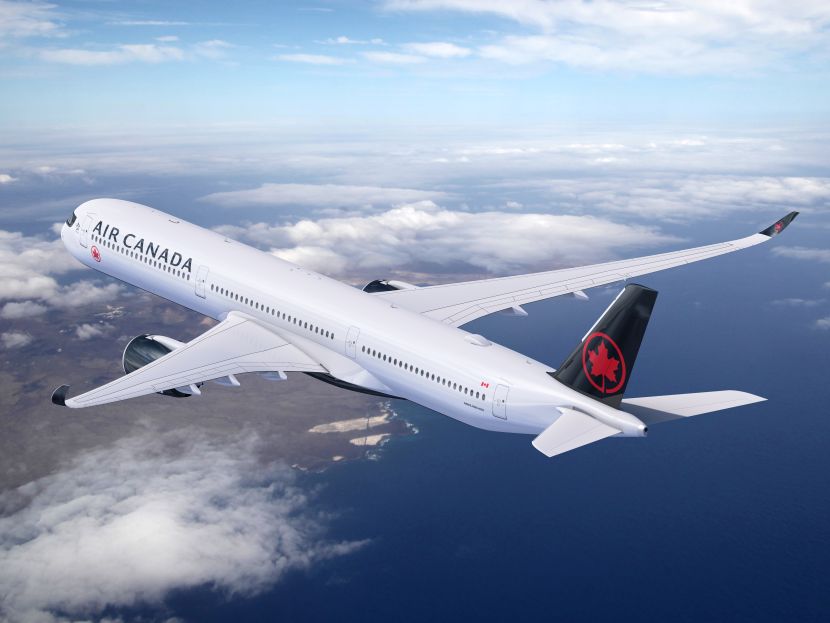
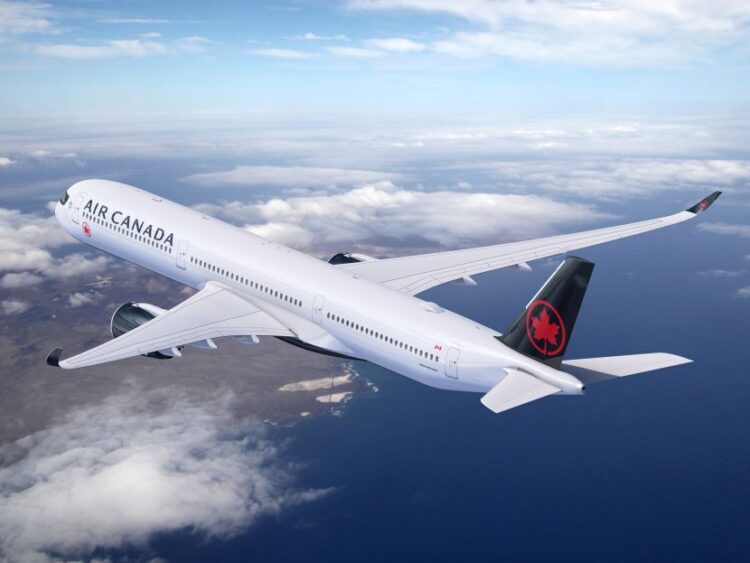
Air Canada has announced the addition of a second 17-hour long-haul flight to its travel network, marking a significant move within the aviation sector. This new route offers one of the longest direct flights globally, underscoring Air Canada’s commitment to enhancing long-haul travel experiences. The airline’s decision reflects the growing demand for ultra-long flights that connect distant corners of the world, positioning Air Canada as a leader in transcontinental aviation. The article highlights the importance of ultra-long flights, driven by advancements in aircraft technology, and provides a glimpse into the evolving landscape of long-haul travel.
Key Points:
Air Canada has added a second 17-hour non-stop flight to its travel network.
The new route represents one of the longest direct flights globally, enhancing long-haul travel experiences.
This move underscores Air Canada’s leadership in transcontinental aviation.
Ultra-long flights are gaining popularity due to advancements in aircraft technology and growing demand for connecting distant destinations.
Actionable Takeaways:
Expansion of Long-Haul Routes: Air Canada’s addition of a second 17-hour flight highlights the increasing demand for ultra-long-haul travel. Airlines should consider expanding their long-haul route networks to meet this demand, potentially tapping into new markets and increasing passenger volumes.
Investment in Aircraft Technology: The success of ultra-long flights underscores the importance of continuous advancements in aircraft technology. Airlines should invest in developing more fuel-efficient, comfortable, and technologically advanced aircraft to sustain growth in the long-haul segment.
Focus on Passenger Experience: The introduction of a 17-hour flight emphasizes the need for airlines to prioritize passenger comfort and experience. Airlines should explore innovations in in-flight services, entertainment, and amenities to ensure that long-haul flights are as enjoyable as possible, thereby enhancing customer loyalty and satisfaction.
Contextual Insights:
The addition of a second 17-hour flight by Air Canada is a strategic response to the evolving demands of the global travel market. As ultra-long flights gain popularity, driven by technological advancements and the need for connectivity across vast distances, airlines must adapt their strategies to remain competitive. This move aligns with broader industry trends towards expanding long-haul networks and enhancing the passenger experience. Furthermore, it reflects the growing importance of innovation in the aviation sector, particularly in aircraft technology and in-flight services, as key drivers of growth and differentiation. For travel startups and fintech companies, this trend presents opportunities in developing solutions that cater to the unique needs of long-haul travelers, such as enhanced booking platforms, seamless connectivity services, and innovative travel financing options.