




No products in the cart.
- Latest
- Trending


WATCH: Over 10,000 Air Canada flight attendants will hold a “day of action” at airports across the country next week to highlight “ongoing issues” in its dispute with the airline, the union said Friday. Global’s Touria Izri reports.
Air Canada’s flight attendants, represented by the Canadian Union of Public Employees (CUPE), are in crucial contract negotiations with the airline, aiming to secure a new agreement and avoid potential job action. With a looming strike deadline, both parties are actively engaged in discussions, highlighting the ongoing efforts to reach a mutually beneficial contract.
The union, which represents over 6,500 flight attendants at Air Canada, has been advocating for improved working conditions and compensation. Key areas of focus in the negotiations reportedly include wages, scheduling, benefits, and overall quality of work-life balance. These are common concerns within the airline industry, and flight attendants are keen to ensure their contributions are recognized and rewarded.
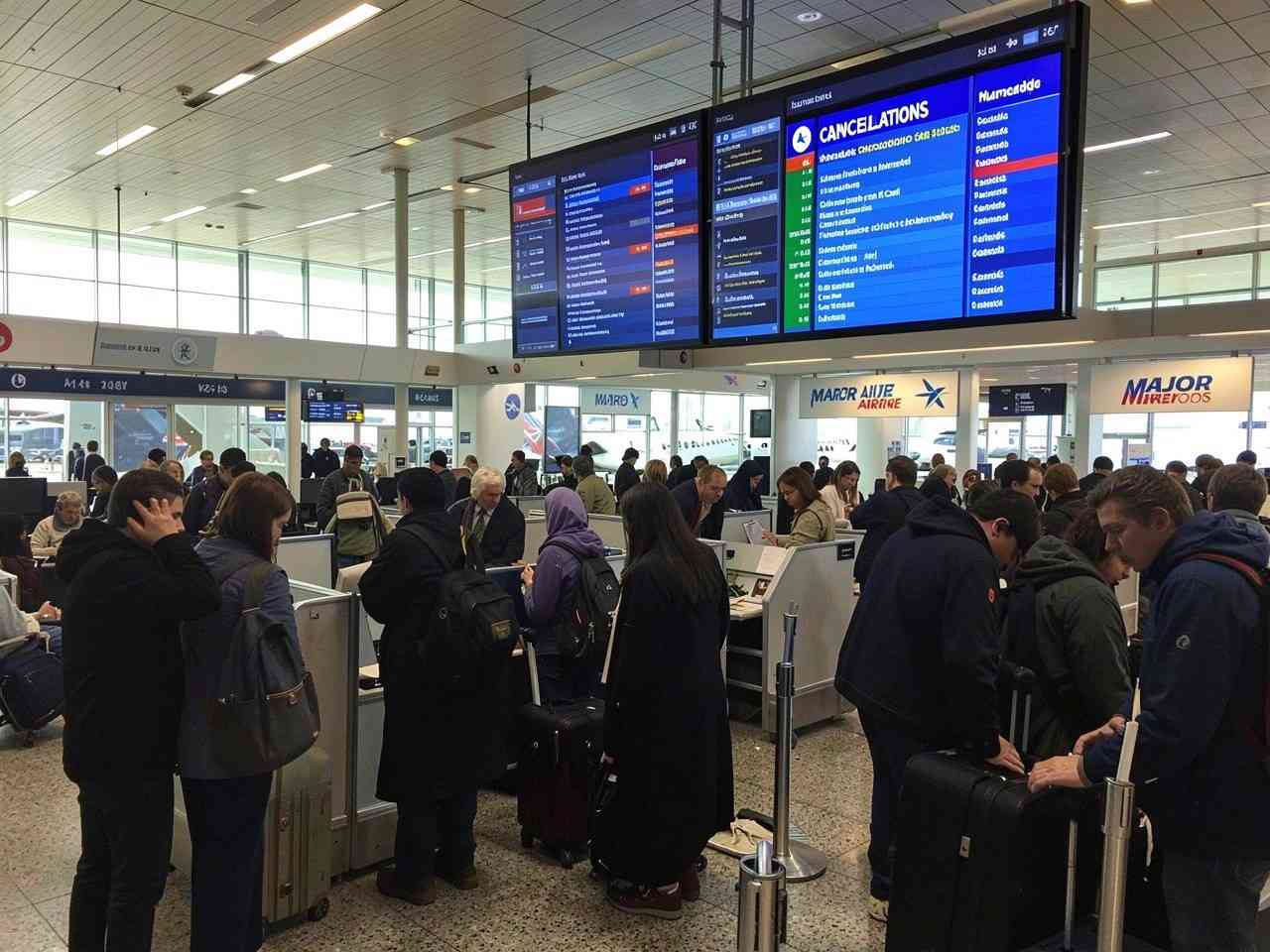
A strike by Air Canada flight attendants would undoubtedly cause significant disruption to the airline’s operations and travel plans for countless passengers. This potential impact underscores the importance of reaching a resolution through collective bargaining. Both the union and the airline are keenly aware of the broader economic and operational consequences that a strike would entail, making continued dialogue essential.
While specific details of the ongoing negotiations are kept confidential, the objective remains clear: to finalize a new contract that addresses the needs of the flight attendants while ensuring the continued success of Air Canada. The process involves meticulous deliberation on various clauses and provisions that govern the employment of the unionized staff.
The timeline for these negotiations is critical. Any agreement reached would need to be ratified by the union’s membership, a process that typically involves a vote. Successful ratification would mean a new contract is in place, preventing any industrial action. Conversely, a failure to agree could lead to further escalation, including potential work stoppages.
Industry observers are closely watching these developments. The outcome of these negotiations will not only impact Air Canada and its flight attendants but could also set a precedent for future labor relations within the Canadian airline sector. The emphasis on a positive and productive negotiation process is paramount for maintaining stability and confidence in the travel industry. The current focus is on finding common ground and ensuring that the vital role of flight attendants is acknowledged in the final agreement.
Key Points:
CUPE represents over 6,500 Air Canada flight attendants.
Negotiations are focused on wages, scheduling, benefits, and work-life balance.
A strike would cause significant disruption to Air Canada’s operations.
The objective is to reach a mutually beneficial contract.
The outcome could set a precedent for the Canadian airline sector.
Read the Complete Article.
Get curated travel AI insights — choose the newsletters that matter to you.
This spot is reserved for brands with a compelling story for the travel trade. They use this space to cut...
Read moreDetailsALTOUR Expands into Thailand, Strengthening Corporate Travel Network Across Southeast Asia BANGKOK, THAILAND (25 March, 2026) – ALTOUR, a leading...
Read moreDetails


Comprehensive Summarization: The article appears to be a security verification process for a website, likely related to travel services, rather...
Read moreDetails