







No products in the cart.
- Latest
- Trending

Travel Canada 8646: Air Canada Flight Incident At LaGuardia Triggers Airport-Wide Disruptions
Comprehensive Summarization:
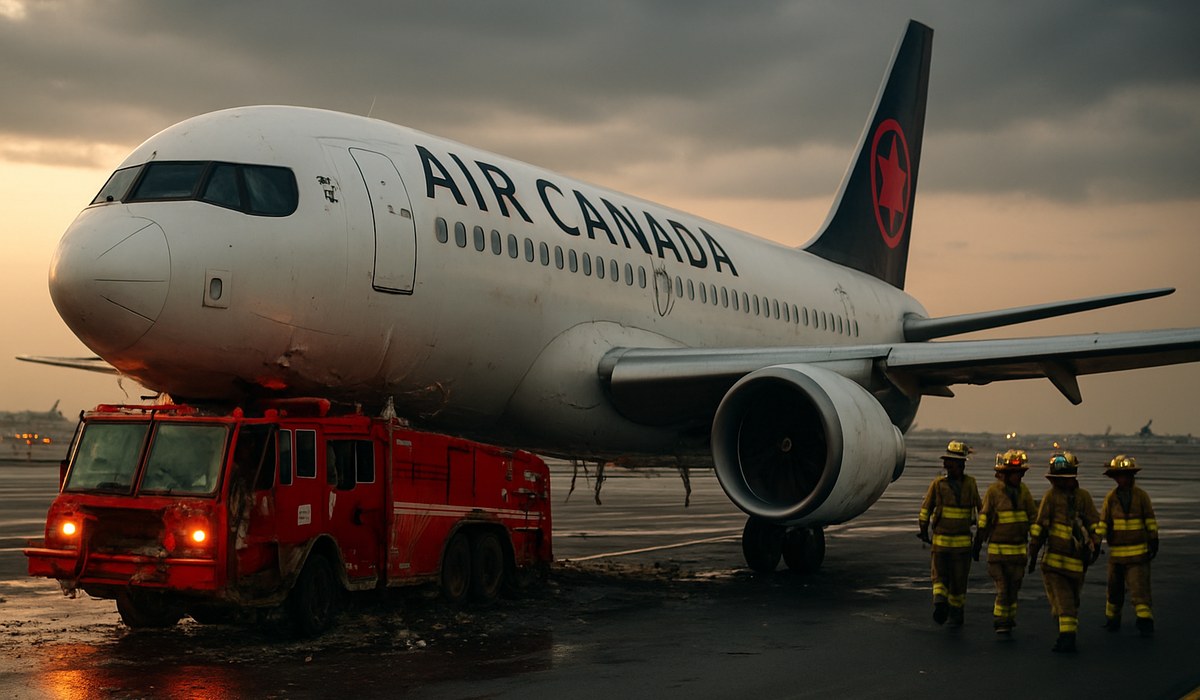
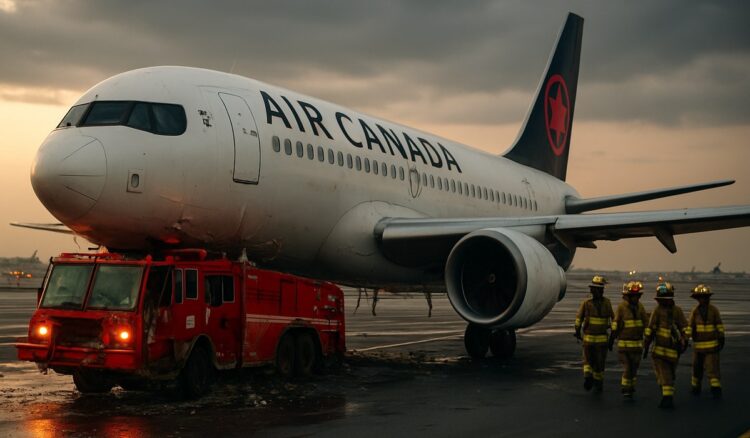
The article reports a significant ground emergency involving Air Canada Flight 8646 at LaGuardia Airport (LGA) on March 23, 2026. The inbound service from Montréal–Trudeau International Airport (YUL) collided with emergency response equipment on the runway, leading to an immediate activation of comprehensive emergency protocols by airport authorities. This incident directly impacted travel operations, triggering cascading flight cancellations throughout the Northeast corridor. The runway closure forced airlines to divert incoming aircraft and suspend ground operations for critical hours, causing substantial disruptions to travel plans in the region.
Key Points:
Actionable Takeaways:
Enhanced Runway Safety Protocols: The incident underscores the critical need for airlines and airports to implement enhanced runway safety protocols, particularly in handling emergency response equipment. This could involve regular safety audits, real-time monitoring systems, and improved communication channels between ground crews and air traffic control to prevent similar incidents in the future.
Flexible Diversion Strategies: The cascading cancellations highlight the importance of developing flexible diversion strategies for airlines. This could include pre-identified alternate airports, real-time flight tracking systems, and partnerships with regional carriers to ensure minimal disruption to travel plans. Such strategies are crucial in maintaining passenger trust and operational efficiency during unforeseen disruptions.
Contextual Understanding:
The article reflects current challenges in the travel industry, particularly in managing ground emergencies and their cascading effects on air travel. Recent trends indicate a growing emphasis on safety and operational resilience in aviation. Innovations in airport technology, such as real-time monitoring systems and advanced communication tools, are becoming increasingly vital. The incident also highlights the interconnectedness of global travel networks, where disruptions in one region can have widespread impacts. Forward-looking insights suggest that the travel industry must continue to invest in technology and protocols that enhance safety and operational flexibility to mitigate such disruptions.
Handling Different Article Types:
The article is a news brief, providing factual information about a specific incident in the travel industry. The analysis adheres strictly to the facts and context provided, focusing on the incident’s impact, key developments, and actionable insights relevant to the travel sector. No opinion pieces or feature articles are present in the content, ensuring the analysis remains objective and fact-based.
Read the Complete Article.
Get curated travel AI insights — choose the newsletters that matter to you.
ALTOUR Expands into Thailand, Strengthening Corporate Travel Network Across Southeast Asia BANGKOK, THAILAND (25 March, 2026) – ALTOUR, a leading...
Read moreDetails


Comprehensive Summarization: The article reports a significant ground emergency involving Air Canada Flight 8646 at LaGuardia Airport (LGA) on March...
Read moreDetails