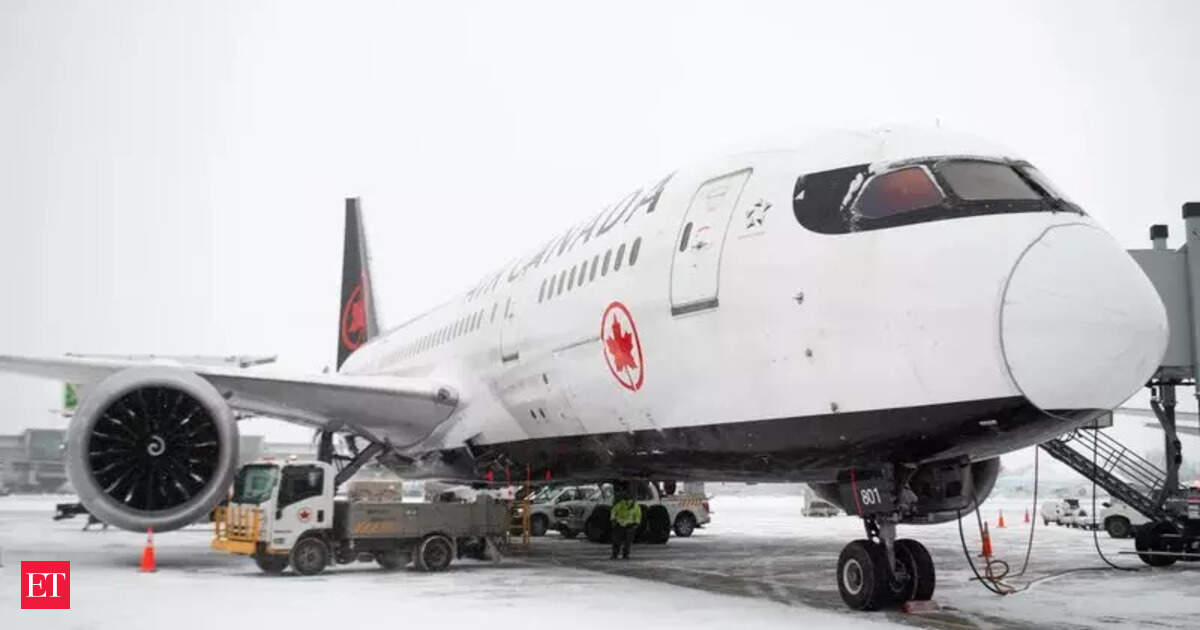
Air Canada flight AC858, carrying 368 passengers from Toronto to London Heathrow, was diverted to St. John’s International Airport, Newfoundland, on February 6 due to an “unruly passenger.” The Boeing aircraft, upon arrival, was met by authorities, and police were involved. The incident highlights the challenges of managing passenger behavior on long-haul flights and the necessity for swift action to ensure safety and compliance with regulations. This event underscores the importance of robust onboard security protocols and effective communication between airlines, passengers, and law enforcement in managing such situations.
Key Points:
Air Canada flight AC858 was diverted to St. John’s, Newfoundland, due to an unruly passenger on February 6.
The Boeing aircraft, carrying 368 passengers, was met by authorities upon arrival, with police involvement confirmed.
The incident emphasizes the need for effective onboard security measures and rapid response protocols in managing unruly passenger situations.
Actionable Takeaways:
Enhanced Passenger Screening Protocols: Airlines should consider implementing more rigorous passenger screening processes, including pre-flight behavioral assessments or enhanced onboard monitoring systems, to proactively identify and manage potential unruly passenger situations. This could involve leveraging AI-driven analytics to detect patterns of disruptive behavior, thereby enabling airlines to take preventive measures before the situation escalates.
Improved Communication Channels: Establishing clear and efficient communication channels between airlines, passengers, and ground staff can significantly mitigate the impact of unruly passenger incidents. Airlines could benefit from integrating real-time communication tools that allow for immediate updates and instructions to be relayed to both passengers and crew, ensuring a coordinated response to onboard disturbances.
Contextual Insights:
The incident with Air Canada flight AC858 is a stark reminder of the ongoing challenges faced by the aviation industry in maintaining safety and order on long-haul flights. With the increasing frequency of transatlantic travel, the importance of robust onboard security measures cannot be overstated. The use of advanced technologies, such as AI-driven analytics for passenger behavior analysis, could play a pivotal role in preemptively identifying and addressing potential issues. Furthermore, the integration of real-time communication tools can enhance the responsiveness of airlines to onboard disturbances, ensuring a more controlled and safe environment for all passengers. As the travel industry continues to evolve, these insights highlight the necessity for continuous innovation and adaptation to emerging challenges, ensuring the safety and satisfaction of travelers worldwide.