








No products in the cart.
- Latest
- Trending


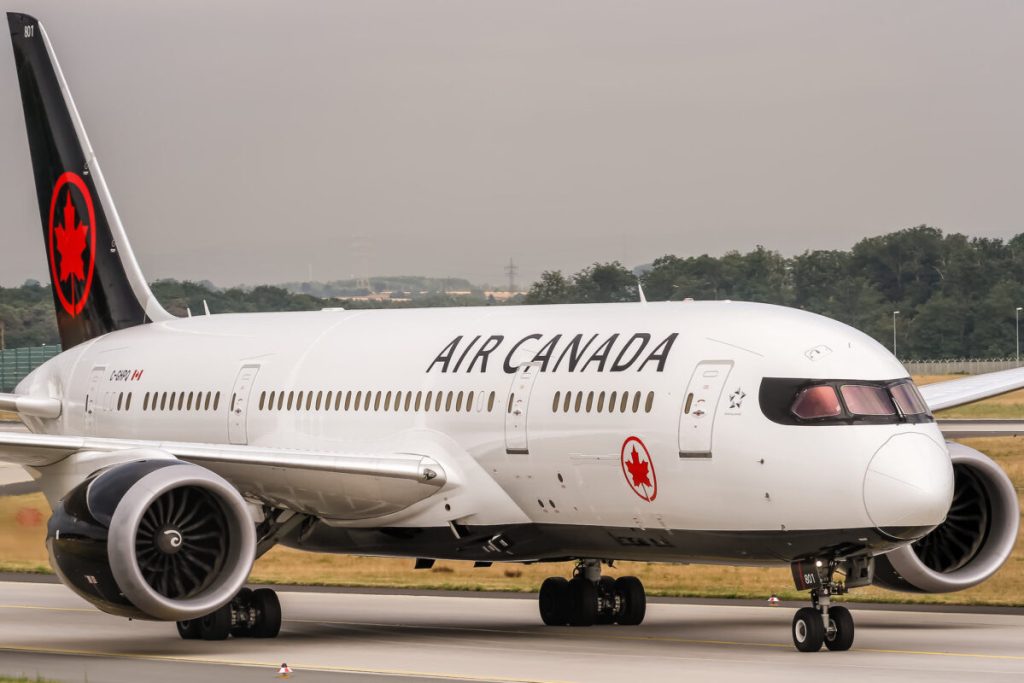
An Air Canada aircraft taxis after landing at Tokyo's Haneda airport on Jan. 4, 2025. THE CANADIAN PRESS/Craig Wong
Air Canada has significantly lowered its financial outlook for the remainder of the year, primarily due to a sharp decline in bookings from the United States. The airline cites the ongoing trade war and associated economic uncertainties as the primary drivers behind this downturn in transatlantic travel demand. This adjustment to projections reflects a broader concern within the travel industry regarding the impact of global trade tensions on international travel patterns.
The weakened demand from the US market is particularly impactful, as it represents a crucial segment for Air Canada’s international routes. The airline is now anticipating lower revenue per available seat mile (RASM) and overall revenue growth compared to previous forecasts. This revision suggests a potentially significant shift in Air Canada’s financial performance, prompting investors and industry analysts to closely monitor the situation and strategize on the evolving dynamics of international travel.
To mitigate the effects of decreased US bookings, Air Canada is reportedly exploring strategies such as adjusting flight schedules, focusing on alternative markets, and implementing targeted promotional campaigns. The airline aims to stimulate demand and offset the losses incurred from the decline in US passenger volume. The situation highlights the vulnerability of airlines to geopolitical events and economic fluctuations, requiring them to be agile and adaptive in their business strategies.
The announcement has already sent ripples through the airline’s stock, with analysts downgrading their outlook on the company’s future performance. The unfolding situation underscores the importance of understanding the complex interplay between global trade, economic sentiment, and the travel industry, as these factors can significantly impact airline profitability and strategic decision-making. Consumers can expect potential fluctuations in pricing and route availability as Air Canada navigates these challenging market conditions.
Key Points
Read the Complete Article.
Get curated travel AI insights — choose the newsletters that matter to you.
ALTOUR Expands into Thailand, Strengthening Corporate Travel Network Across Southeast Asia BANGKOK, THAILAND (25 March, 2026) – ALTOUR, a leading...
Read moreDetails


Comprehensive Summarization: The 2025 Mobility Report from Yango Drive reveals that Dubai's public transport, shared mobility, and taxis collectively carried...
Read moreDetails