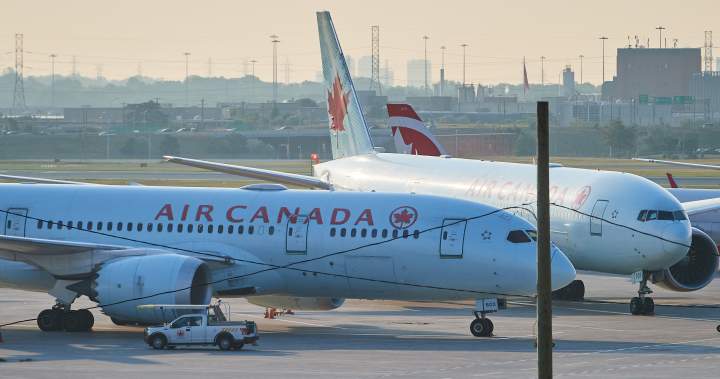
Air Canada has announced the suspension of its service to Cuba due to an ongoing shortage of aviation fuel on the island. This decision comes in response to advisories from governments indicating the unreliability of the aviation fuel supply at Cuban airports. The airline plans to operate empty flights southbound to pick up approximately 3,000 customers already at destination and return them home. The suspension is projected to continue until February 10, when aviation fuel is expected to become commercially available at the island’s airports. This move follows threats from U.S. President Donald Trump to impose tariffs on countries providing oil to Cuba, highlighting the complex interplay between geopolitical tensions and the travel industry’s operational challenges.
Key Points:
Air Canada is suspending its service to Cuba due to a shortage of aviation fuel.
The airline will operate empty flights to return approximately 3,000 customers to their home countries.
The suspension is prompted by advisories about the unreliability of aviation fuel supply at Cuban airports.
The situation is exacerbated by threats of U.S. tariffs on oil imports to Cuba.
Air Canada anticipates that aviation fuel will become commercially available again by February 10.
Actionable Takeaways:
Operational Flexibility in Travel: The suspension of Air Canada’s service to Cuba demonstrates the need for airlines to have flexible operational strategies in response to supply chain disruptions, such as fuel shortages. This could encourage other airlines to develop contingency plans for fuel supply risks, potentially leading to innovations in fuel logistics and partnerships with alternative energy sources.
Geopolitical Impact on Travel: The decision by Air Canada is influenced by geopolitical tensions, specifically the threat of U.S. tariffs on oil imports to Cuba. This highlights the importance for travel companies to stay informed about geopolitical developments and their potential impact on travel routes and operational costs. Companies may need to reassess their travel policies and partnerships in light of such geopolitical factors.
Customer Management in Crisis Situations: Air Canada’s plan to operate empty flights to return customers home showcases the importance of customer management during crises. Airlines should develop clear protocols for managing customer expectations and logistics in the event of service disruptions, ensuring customer satisfaction and loyalty even in challenging circumstances.
Contextual Insights:
The suspension of Air Canada’s service to Cuba is a clear reflection of the interconnected nature of the travel industry with broader geopolitical and logistical challenges. The reliance on aviation fuel as a critical component of air travel operations underscores the vulnerability of the industry to supply chain disruptions. This situation is further complicated by the political landscape, as seen with the potential U.S. tariffs on oil imports to Cuba.
In the current travel industry, characterized by increasing volatility and uncertainty, the ability to adapt quickly to such disruptions is paramount. The article also points to the growing importance of customer-centric strategies, particularly in crisis management. As travel companies navigate these challenges, they must balance operational efficiency with customer experience, leveraging technology and strategic partnerships to mitigate risks and maintain service continuity.
Moreover, the reliance on alternative energy sources for aviation fuel could be a significant trend to watch. As the aviation industry seeks to reduce its carbon footprint and address fuel supply issues, innovations in sustainable aviation fuel (SAF) could become a key area of focus for travel startups and established airlines alike. This shift could open new opportunities for investment and collaboration in the development and distribution of SAF, further shaping the future of the travel industry.