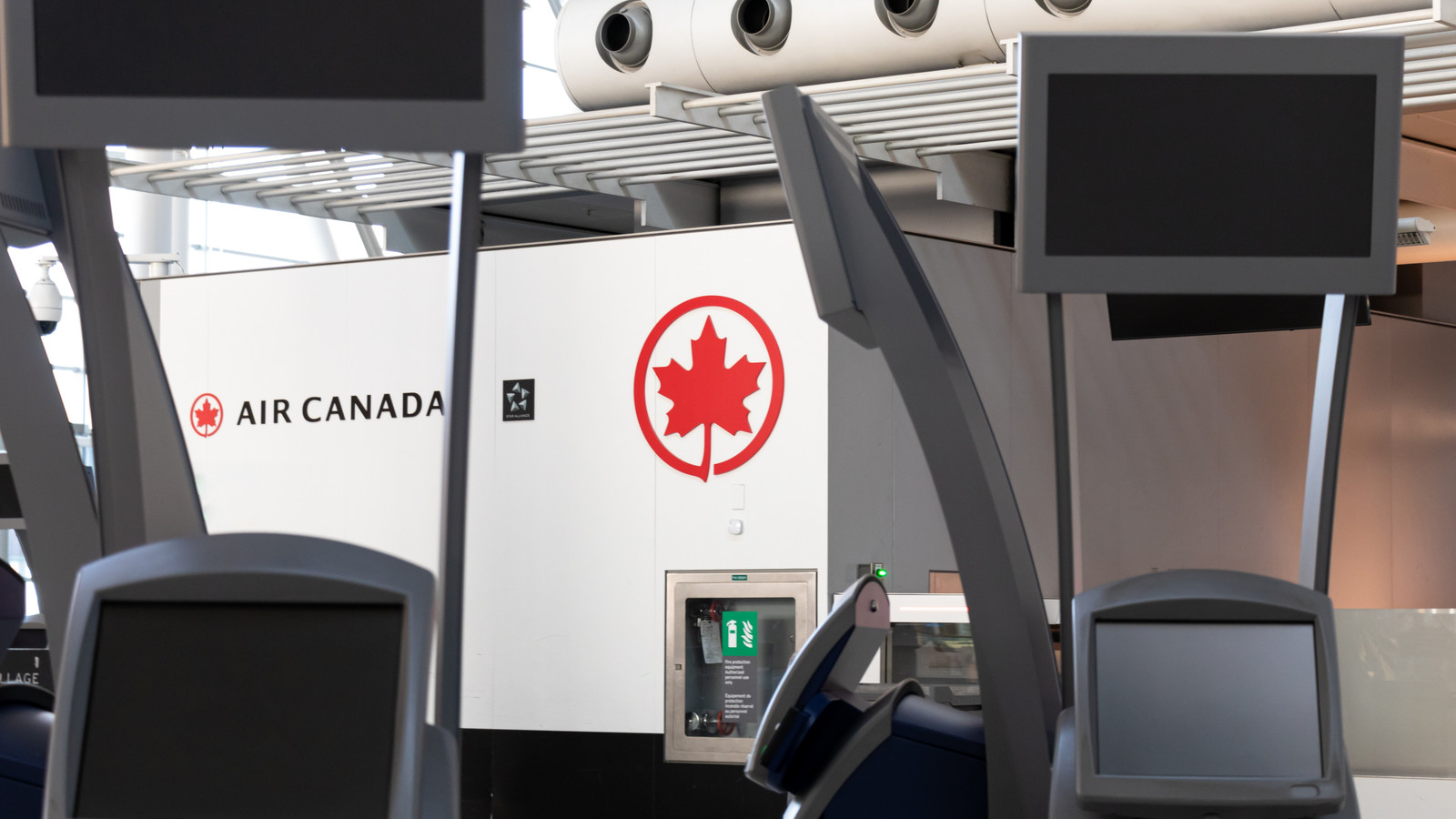
Air Canada has experienced significant operational challenges in recent weeks, including flight disruptions due to a winter storm at Toronto Pearson Airport. In response, the airline has added new routes for Canadian snowbirds, including popular destinations like Cancun and Puerto Vallarta. However, the inclusion of destinations in Cuba is notably absent, as the Canadian government has increased the risk level for Cuba due to shortages of basic necessities such as food, water, medicine, electricity, and fuel. This situation has prompted Global Affairs Canada to issue a stern resort warning, advising a high degree of caution for travelers. The article also touches on broader travel trends and insights from thought leaders, highlighting the evolving landscape of the travel industry amidst ongoing challenges and strategic adjustments.
Key Points:
Air Canada has faced flight disruptions and added new routes for Canadian snowbirds, including Cancun and Puerto Vallarta.
The Canadian government has increased the risk level for Cuba due to shortages of basic necessities, advising travelers to exercise caution.
Cuba is not included in Air Canada’s newest flights, reflecting the heightened travel risks associated with the destination.
Actionable Takeaways:
Risk Management in Travel Planning: Travel agencies and airlines should reassess their route planning and risk management strategies, particularly for destinations with heightened travel advisories. This includes offering alternative routes or destinations to mitigate risks associated with safety and operational disruptions.
Enhanced Communication with Travelers: Airlines should improve communication with travelers regarding potential disruptions and safety advisories. Clear and timely updates can help manage traveler expectations and reduce anxiety associated with travel uncertainties.
Investment in Resilient Travel Infrastructure: The challenges faced by Air Canada underscore the need for investment in resilient travel infrastructure. This includes developing contingency plans for adverse weather conditions and ensuring supply chain stability to meet basic necessities for travelers, especially in high-risk destinations.
Contextual Insights:
The article reflects the current state of the travel industry, characterized by heightened uncertainty and the need for adaptive strategies. The decision by the Canadian government to increase the risk level for Cuba highlights the importance of real-time risk assessment and the potential impact on travel demand. This context is crucial for travel startups and fintech innovations, as they must develop solutions that address the evolving needs of travelers, such as enhanced safety measures, flexible booking options, and real-time risk communication tools. By integrating these insights, the travel industry can better navigate current challenges and position itself for future growth.