
![Korean Air and Emirates planes are seen at Incheon International Airport on March 16. [YONHAP]](https://images.traveltrade.today/wp-content/uploads/2026/03/Passengers-Rush-to-Book-Flights-Before-April-Fuel-Surcharge-Hikes.jpg)


No products in the cart.
- Latest
- Trending



Photo: Vincenzo Pace | Simple Flying
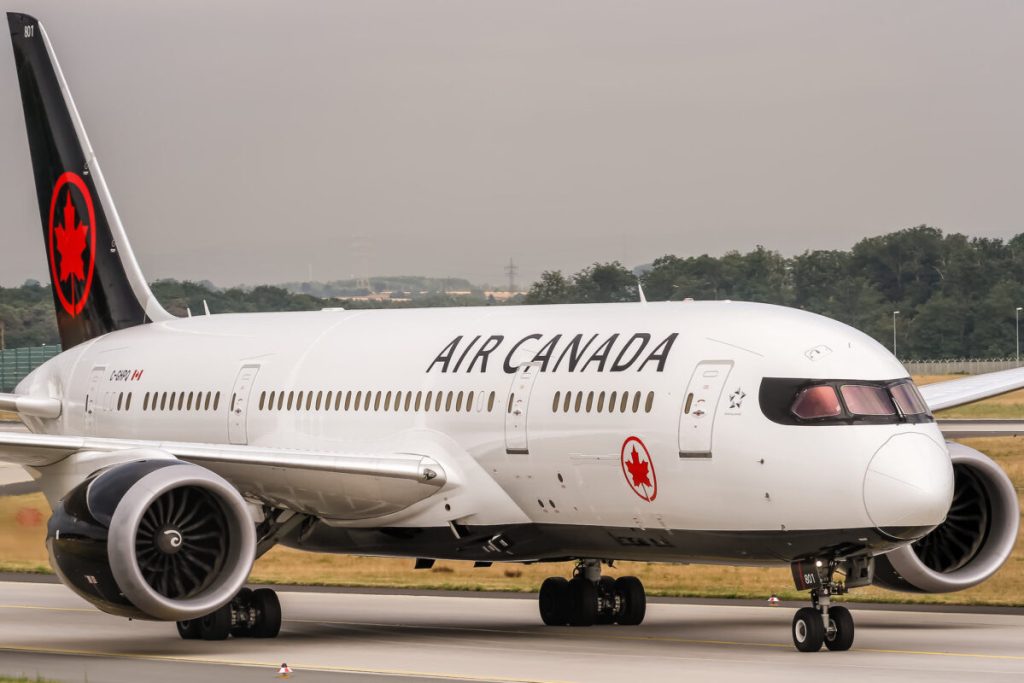
Air Canada passengers seeking higher compensation for injuries sustained during severe turbulence have suffered a legal setback. Canada’s highest court dismissed their appeal, upholding a previous ruling that limits the airline’s liability under the Montreal Convention. The case centered around a flight from Shanghai to Toronto in 2015, where unexpected and intense turbulence caused numerous injuries.
Passengers argued that Air Canada should be held liable for unlimited damages, alleging negligence in failing to adequately anticipate and avoid the turbulence. They claimed the airline had access to weather information that should have prompted a course correction or other preventative measures. However, the courts have consistently ruled that the Montreal Convention, an international treaty governing air carrier liability, applies in this instance.
The key point of contention revolved around Article 22 of the Montreal Convention, which sets a limit on liability for passenger injury claims unless the airline is proven to have acted with willful misconduct or recklessness, knowing that damage would probably result. Passengers attempted to demonstrate such recklessness on Air Canada’s part, but the courts found insufficient evidence to support these claims.
While the specific limit under the Montreal Convention has been updated since the 2015 incident, the principle remains: airlines are generally protected from unlimited liability unless a high threshold of culpability is met. The High Court’s decision reinforces this protection and sets a precedent for future cases involving passenger injuries due to turbulence and similar unforeseen in-flight events. This ruling highlights the challenges passengers face when seeking substantial compensation for injuries sustained due to turbulence, emphasizing the importance of understanding the limitations imposed by international agreements and the high burden of proof required to overcome them. The outcome could impact future legal strategies and insurance considerations for both passengers and airlines navigating the complexities of liability in air travel. This case draws attention to the ongoing debate surrounding airline responsibility for passenger safety in the face of unpredictable weather phenomena and the balance between passenger rights and the economic realities of air travel.
Read the Complete Article.
Get curated travel AI insights — choose the newsletters that matter to you.
ALTOUR Expands into Thailand, Strengthening Corporate Travel Network Across Southeast Asia BANGKOK, THAILAND (25 March, 2026) – ALTOUR, a leading...
Read moreDetails


Singapore — March 30, 2026 In short: Singapore's iconic The Halia Restaurant at the Singapore Botanic Gardens closes after 25...
Read moreDetails