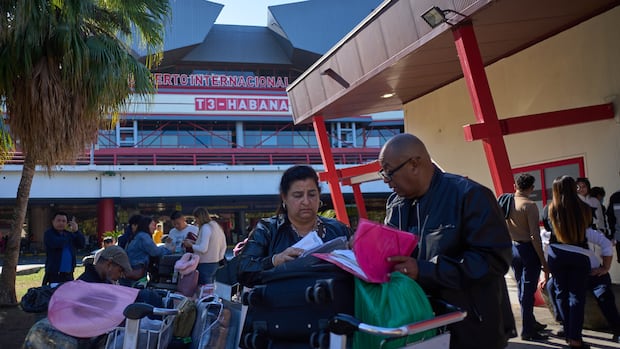
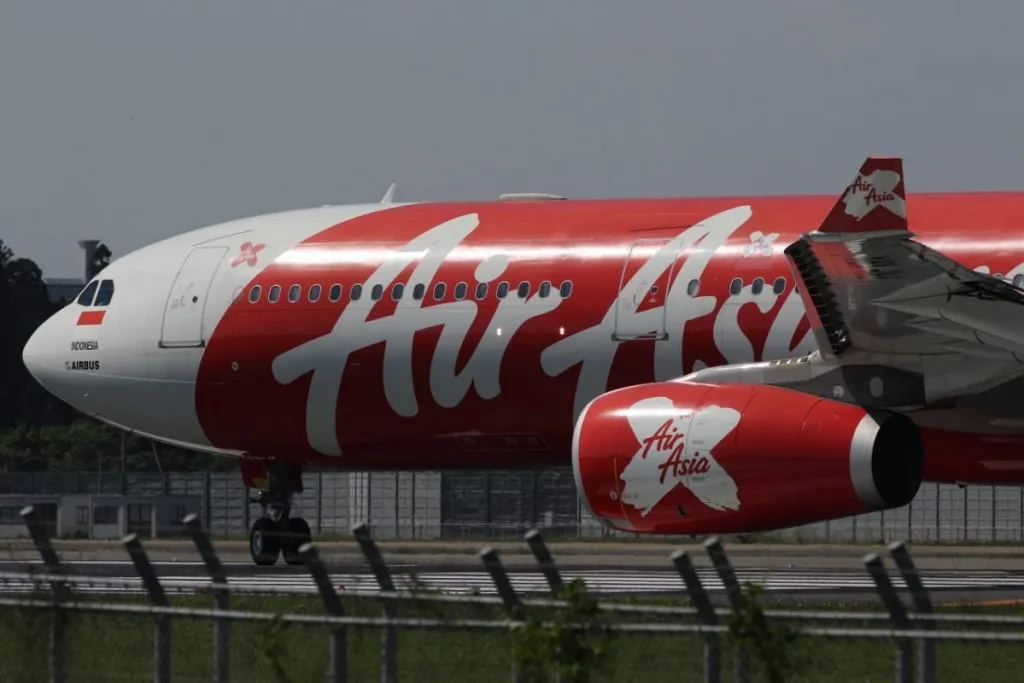
The federal government has updated its travel advisory for Cuba, advising Canadians to avoid all non-essential travel to the island due to fuel shortages and a reduction in flight services by Canadian airlines. This advisory, updated on Wednesday, highlights the suspension of service by major airlines such as Air Transat, Air Canada, and WestJet. The airlines have announced plans to bring back approximately 3,000 passengers already in Cuba, with Air Canada planning to fly empty planes to retrieve these travelers. The situation underscores significant disruptions in travel to Cuba, impacting both tourism and business travel sectors.
Key Points:
The Canadian government has issued a travel advisory for Cuba, recommending Canadians avoid all non-essential travel due to fuel shortages and reduced flight services.
Major Canadian airlines, including Air Transat, Air Canada, and WestJet, have suspended their services to Cuba.
Air Canada plans to fly empty planes to retrieve approximately 3,000 passengers currently in Cuba.
The Caribbean airport in Cuba is warning of running out of jet fuel, exacerbating travel disruptions.
Actionable Takeaways:
Travel Advisory Compliance: Canadian travelers should review their travel plans to Cuba and consider postponing non-essential trips until the situation stabilizes. This is crucial for minimizing risks associated with travel disruptions and ensuring safety.
Airlines’ Response: The suspension of flights by major airlines indicates a significant operational challenge in the travel industry. Travel agencies and booking platforms should monitor airline updates closely and offer flexible booking options to accommodate potential changes in travel plans.
Fuel Supply Monitoring: The shortage of jet fuel at Cuba’s major airport highlights vulnerabilities in the aviation supply chain. Stakeholders in the travel industry should consider diversifying supply routes or investing in fuel reserves to mitigate risks associated with fuel shortages.
Contextual Insights:
The travel advisory update for Cuba reflects broader trends of volatility in international travel due to geopolitical and logistical challenges. The reliance on major airlines for travel to Cuba underscores the interconnectedness of global supply chains and the impact of fuel supply issues on travel operations. This situation is emblematic of the need for travel companies to adopt agile strategies, such as flexible booking policies and diversified supply chains, to navigate unforeseen disruptions effectively. Furthermore, the focus on passenger retrieval by airlines highlights the importance of customer-centric approaches in crisis management, ensuring that travelers are prioritized and supported during turbulent times. As the travel industry continues to evolve, staying informed about such developments will be crucial for adapting to future challenges and maintaining operational resilience.