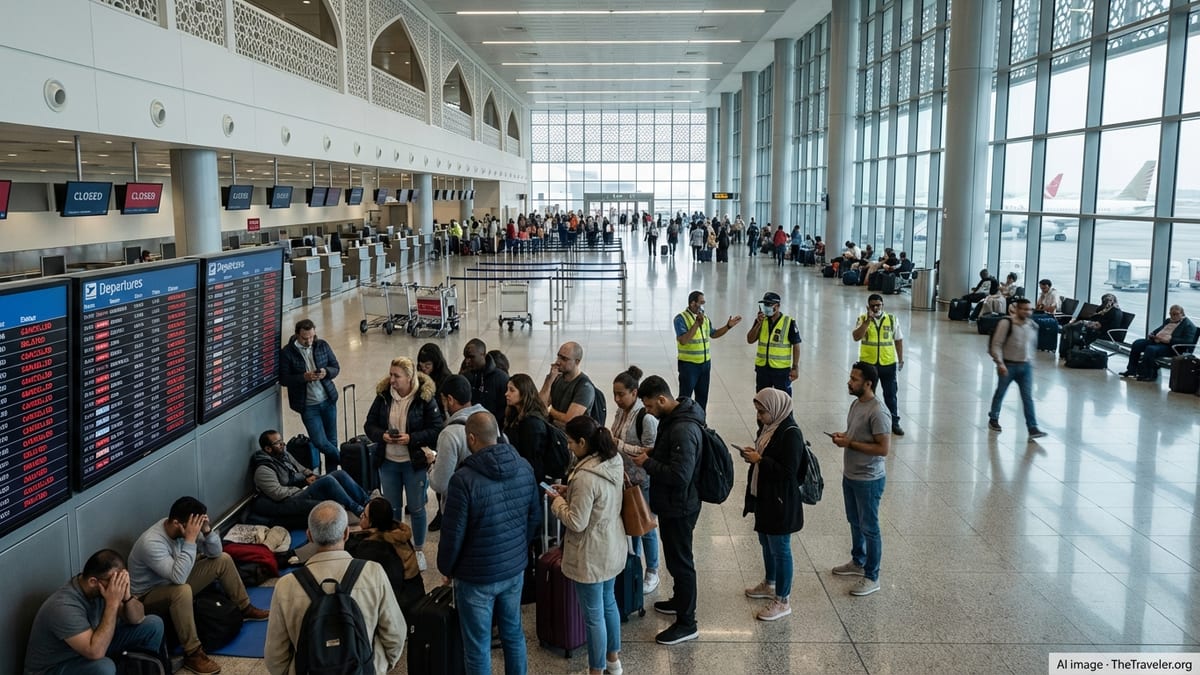
Canada’s travel connection with the United States is experiencing a significant freeze as WestJet, Air Canada, and Flair Airlines remove fifteen major routes to key US destinations including Boston, Los Angeles, San Francisco, and Atlanta. This drastic reduction is primarily driven by a decline in cross-border demand, as both Canadian and American travelers show reduced interest in these routes. The airlines are refocusing their efforts on more profitable domestic and international routes, reflecting a broader trend of adapting to changing travel patterns and market conditions.
Key Points:
WestJet, Air Canada, and Flair Airlines are discontinuing fifteen routes to key US destinations due to reduced cross-border demand.
Destinations affected include Boston, Los Angeles, San Francisco, and Atlanta.
The reduction in routes is a response to declining interest from both Canadian and American travelers.
Airlines are shifting focus to more profitable domestic and international routes.
Actionable Takeaways:
Route Optimization: Airlines should conduct thorough market analysis to identify and prioritize profitable routes, ensuring efficient resource allocation and maximizing profitability.
Diversification of Markets: Consider expanding into emerging markets or revisiting previously underutilized routes to mitigate the impact of reduced cross-border demand.
Investment in Technology: Leverage advanced analytics and AI-driven tools to predict demand patterns and optimize route planning, enhancing operational efficiency and customer satisfaction.
Contextual Insights:
The article reflects the ongoing challenges faced by the travel industry in managing cross-border demand, particularly in the context of geopolitical and economic uncertainties. The decision by WestJet, Air Canada, and Flair Airlines to adjust their route networks underscores a broader industry trend towards adaptability and strategic route optimization. This move is likely to have significant implications for travel startups and fintech innovations, as companies seek to capitalize on the evolving travel landscape. The focus on domestic and international routes presents opportunities for new market entrants and innovative service models, potentially driving growth in the travel sector.
Comprehensive Summarization: The article highlights the growing tourism slowdown affecting several countries, including the United States, Greece, Turkey, Sri Lanka,...