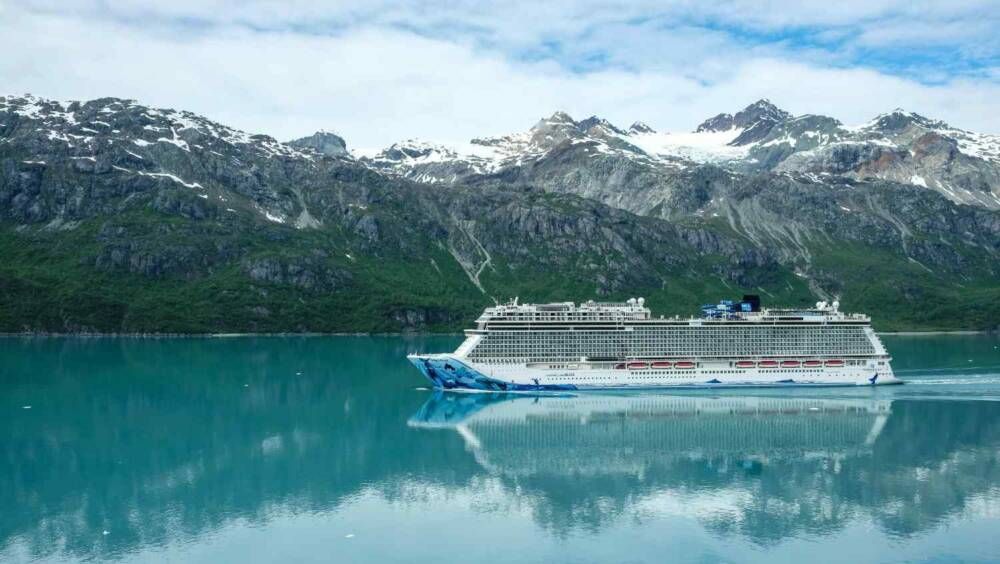
The article discusses the burgeoning trend of expedition cruising in 2026, highlighting its rapid growth driven by increased interest from Canadian travelers and the expansion of cruise lines to remote destinations like Antarctica and the Arctic. This shift is notable as traditional mega-ships with water slides and Vegas-style shows are losing popularity. The article underscores the growing preference for intimate, immersive experiences, driven by limited travel options to the US and the strategic appeal of these remote destinations. It also touches on the broader context of travel advisories and the evolving preferences of Canadian travelers, positioning expedition cruising as a significant and fast-growing segment within the travel industry.
Key Points:
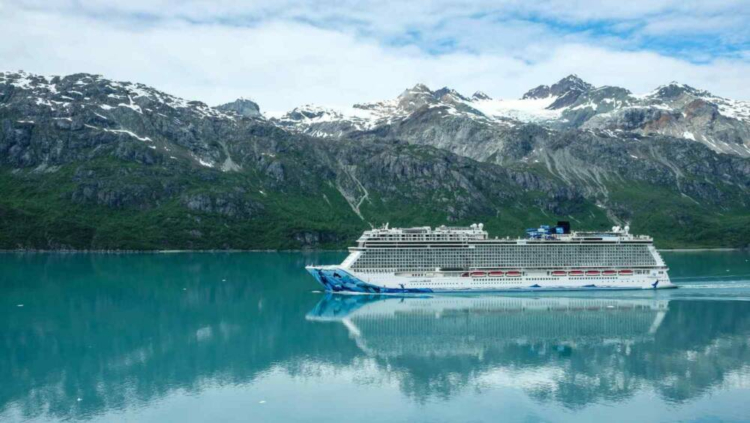
Expedition cruising is experiencing significant growth in 2026, driven by a surge in demand from Canadian travelers and the expansion of cruise lines to remote destinations such as Antarctica and the Arctic.
The trend is characterized by a move away from traditional mega-ships with water slides and Vegas-style shows, towards more intimate and immersive experiences.
Travel advisors in Canada report that three out of four travelers are increasingly opting for expedition cruises, indicating a strong shift in travel preferences.
The article emphasizes the importance of travel options to the US shrinking, further propelling the popularity of expedition cruising as a viable alternative.
Actionable Takeaways:
Opportunity for Cruise Lines: Cruise lines should focus on developing expedition cruises to remote destinations like Antarctica and the Arctic to capitalize on the growing demand from Canadian travelers. This shift aligns with current travel trends and can help attract a niche market seeking unique and immersive experiences.
Marketing Strategy: Travel agencies and advisors should emphasize the unique and immersive aspects of expedition cruising in their marketing strategies. Highlighting the exclusivity and adventure aspects of these cruises can attract travelers looking for alternatives to traditional, more mainstream cruise experiences.
Partnerships and Collaborations: Cruise lines could explore partnerships with travel advisors and tourism boards to promote expedition cruises. Collaborations can enhance visibility and credibility, making these cruises more appealing to potential travelers.
Contextual Insights:
The article reflects the evolving landscape of the travel industry, where there is a clear shift from traditional cruise experiences to more adventurous and immersive options. This trend is particularly pronounced in Canada, where travelers are increasingly seeking destinations that offer unique experiences away from the crowded and commercialized cruise lines. The growth of expedition cruising is also influenced by the shrinking travel options to the US, prompting Canadians to explore alternative destinations. Technological advancements in cruise ship design and operations, such as improved sustainability and enhanced onboard amenities, are likely contributing to this trend. As the industry continues to innovate, cruise lines that adapt to these changing preferences and offer differentiated experiences are likely to thrive. This forward-looking perspective underscores the importance of staying attuned to emerging travel trends and leveraging them to meet the evolving needs of travelers.