









No products in the cart.
- Latest
- Trending

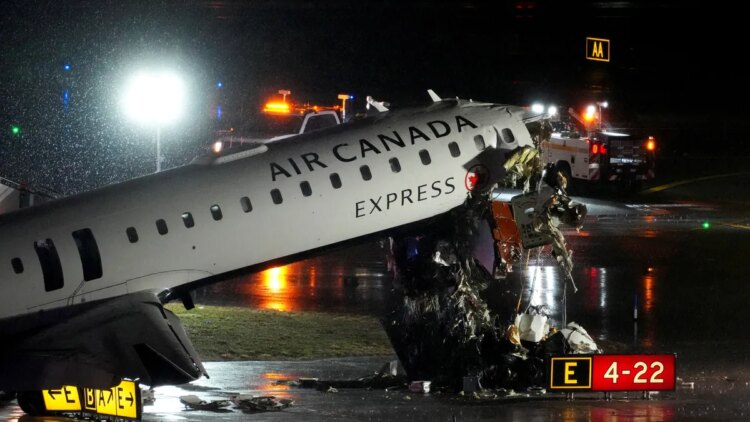
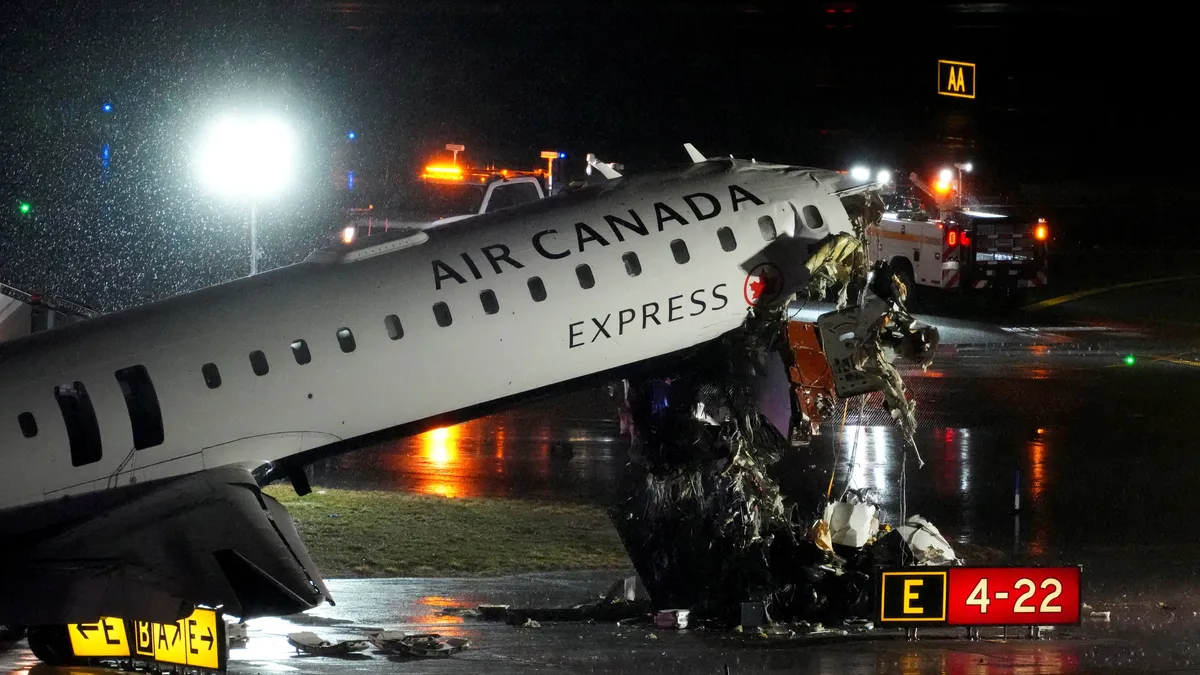
Aftermath of plane crash at LaGuardia Airport captured on video
Comprehensive Summarization:
An Air Canada passenger plane collided with a fire truck at LaGuardia Airport in New York, resulting in two fatalities and over 40 injuries. The incident occurred during the plane’s landing, which was carrying 72 passengers and four crew members from Montreal, Canada. The plane involved was an Air Canada Express CRJ-900. The executive director of the Port Authority of New York and New Jersey, Kathryn Garcia, confirmed the details of the collision.
Key Points:
Actionable Takeaways:
Enhanced Airport Safety Protocols: The incident underscores the need for airports to implement more robust safety protocols, particularly during critical phases of flight such as landing. This could involve advanced collision avoidance systems and enhanced coordination between airport authorities, airlines, and emergency services to prevent such incidents in the future.
Focus on Pilot and Crew Training: Given the fatalities of the pilot and co-pilot, there is a critical need for airlines to review and potentially upgrade their training programs for pilots and co-pilots. This could include more rigorous simulations of emergency scenarios, including aircraft collisions, to better prepare crews for high-stress situations.
Contextual Insights:
The collision at LaGuardia Airport highlights the ongoing challenges in airport safety, especially as air travel remains a critical mode of transportation for millions worldwide. Recent trends in travel technology, such as the integration of AI and machine learning for predictive analytics in flight operations, could play a pivotal role in preventing such incidents. These technologies can analyze vast amounts of data to identify potential risks and suggest preventive measures, thereby enhancing overall safety. Additionally, the incident underscores the importance of continuous innovation in aviation safety technologies, including better communication systems between aircraft and ground personnel, to ensure rapid response and mitigation in emergency situations. As the travel industry evolves, staying ahead of these technological advancements will be crucial for maintaining safety standards and building public trust.
Read the Complete Article.
Get curated travel AI insights — choose the newsletters that matter to you.
This spot is reserved for brands with a compelling story for the travel trade. They use this space to cut...
Read moreDetailsALTOUR Expands into Thailand, Strengthening Corporate Travel Network Across Southeast Asia BANGKOK, THAILAND (25 March, 2026) – ALTOUR, a leading...
Read moreDetails


Comprehensive Summarization: An Air Canada passenger plane collided with a fire truck at LaGuardia Airport in New York, resulting in...
Read moreDetails