




No products in the cart.
- Latest
- Trending

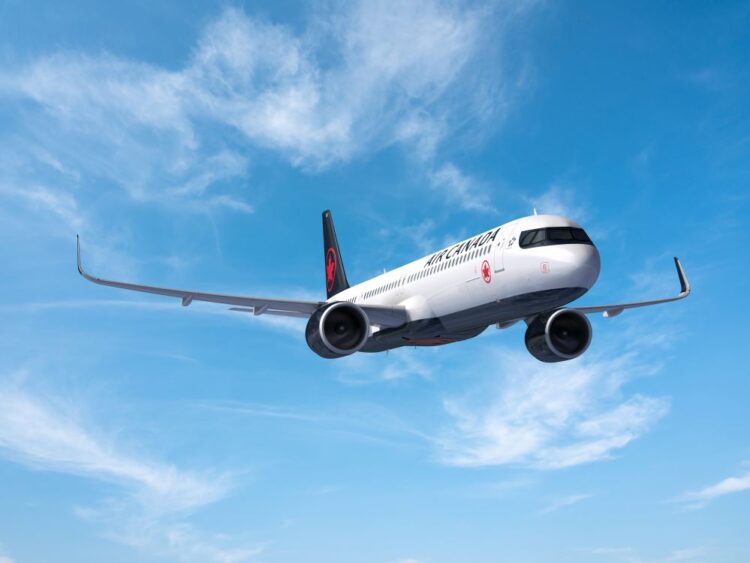
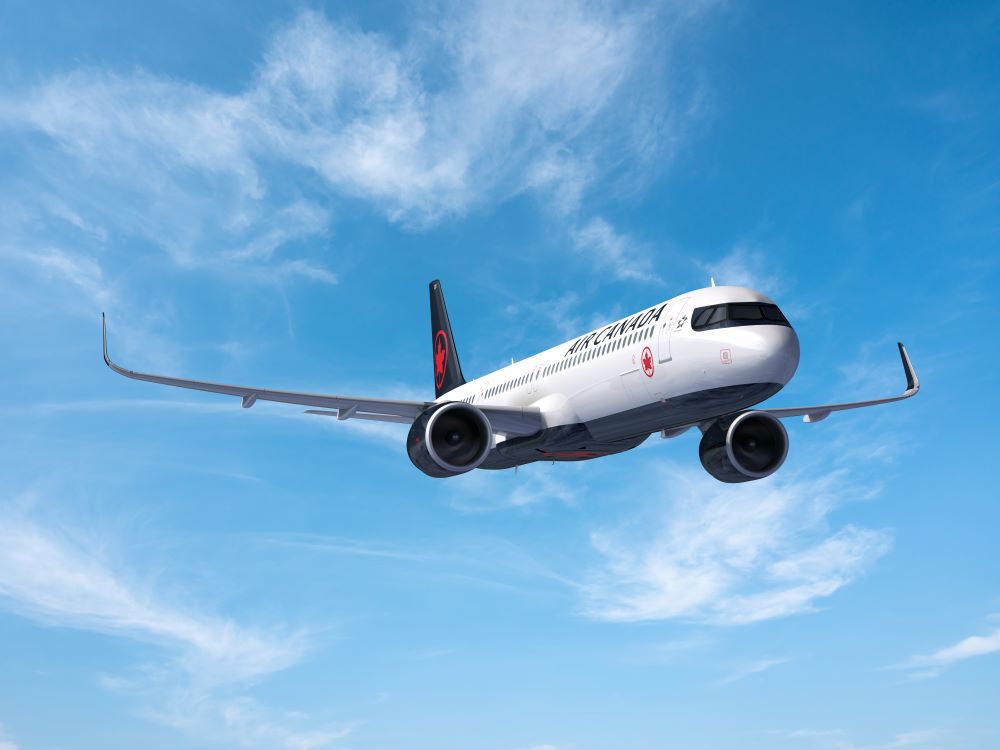
Middle East Crisis Halts Flights to Dubai and Tel Aviv: Air Canada Flight Suspensions Lasting Until ...
Comprehensive Summarization:
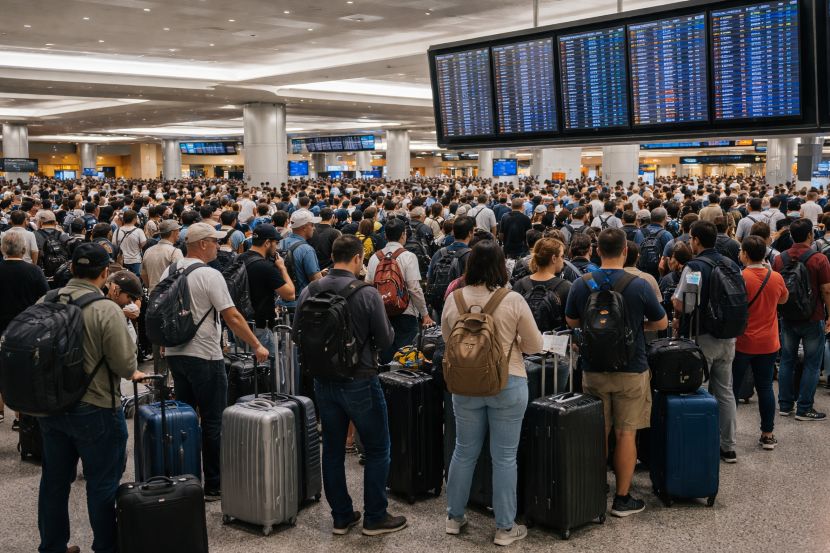
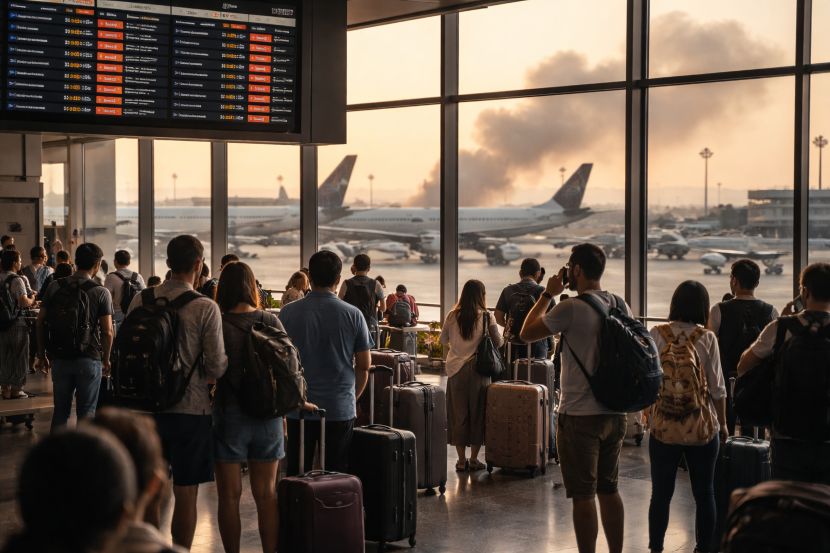
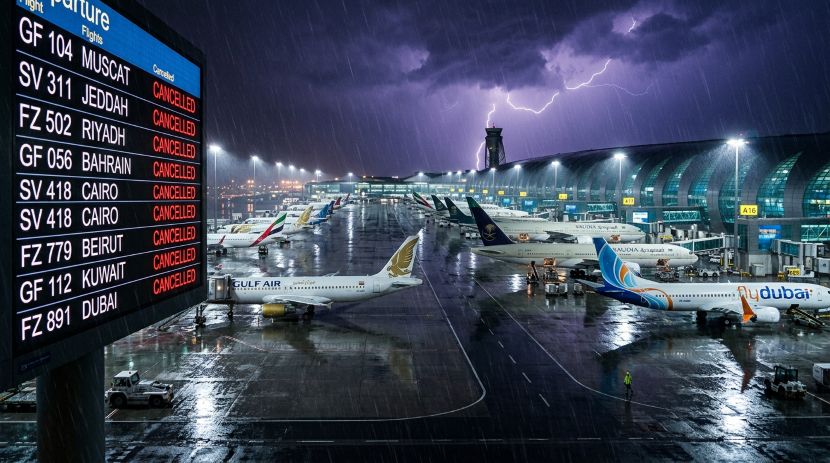
The article reports on significant disruptions in air travel due to the ongoing military situation in the Middle East, leading to the suspension of all flights to and from Dubai (DXB) and Tel Aviv (TLV). This suspension, which began on March 3, 2026, is set to last until March 23, 2026. The article emphasizes the importance of safety and advises passengers not to proceed to the airport during this period. The situation underscores the vulnerability of air travel in regions experiencing heightened security concerns and the potential long-term impacts on travel logistics and passenger planning.
Key Points:
Actionable Takeaways:
Monitor Travel Advisories: Travelers should regularly check official travel advisories and airline updates for any changes to flight schedules or safety advisories related to the Middle East region. This proactive approach ensures that travelers can adjust their travel plans accordingly and avoid unnecessary risks.
Explore Alternative Routes: Given the suspension of flights to and from Dubai and Tel Aviv, travelers may need to consider alternative routes or destinations. This could involve rerouting through other major hubs or exploring nearby destinations that are currently unaffected by the crisis. Such flexibility can help mitigate the impact of travel disruptions on personal and business travel itineraries.
Enhance Safety Protocols: Airlines and travel agencies should enhance their safety protocols and communication strategies to reassure passengers about the safety of air travel. This includes providing clear, transparent information about the current situation, reassurances regarding safety measures, and support for any necessary itinerary changes. Such measures can help maintain passenger trust and confidence in the travel industry during turbulent times.
Contextual Insights:
The suspension of flights to and from Dubai and Tel Aviv is a direct consequence of the escalating military tensions and security concerns in the Middle East. This event highlights the vulnerability of air travel in regions where geopolitical instability is prevalent. The long-term suspension until March 23, 2026, underscores the significant impact such crises can have on global air travel networks and the need for robust contingency planning in the travel industry.
In the context of current travel trends, this situation emphasizes the increasing importance of digital tools and real-time communication in managing travel disruptions. Travelers and industry stakeholders are increasingly relying on technology to stay informed and adapt to rapidly changing circumstances. Furthermore, the event underscores the growing role of travel insurance and contingency planning in mitigating the financial and logistical impacts of such disruptions.
Looking ahead, the Middle East crisis serves as a reminder of the need for continuous innovation in travel technology and risk management strategies. Startups and established players in the travel sector are likely to focus on developing more resilient travel solutions, including advanced booking systems, flexible ticketing options, and enhanced customer support services. These innovations will be crucial in helping the industry navigate future crises and maintain operational continuity.
Read the Complete Article.
Get curated travel AI insights — choose the newsletters that matter to you.
This spot is reserved for brands with a compelling story for the travel trade. They use this space to cut...
Read moreDetailsALTOUR Expands into Thailand, Strengthening Corporate Travel Network Across Southeast Asia BANGKOK, THAILAND (25 March, 2026) – ALTOUR, a leading...
Read moreDetails


Comprehensive Summarization: The article reports on significant disruptions in air travel due to the ongoing military situation in the Middle...
Read moreDetails