







No products in the cart.
- Latest
- Trending

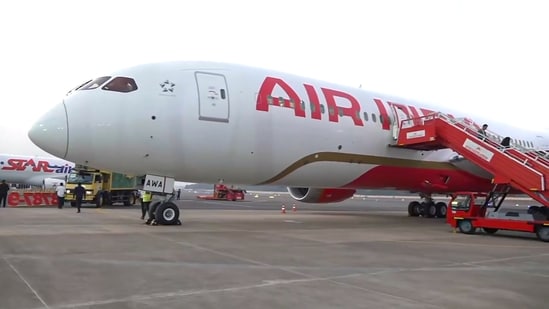
Air India said in a statement announcing the hike that the price of aviation turbine fuel (ATF). (PTI)
Comprehensive Summarization:
The article reports that the Air India group has announced a phased expansion of fuel surcharges across its domestic and international network. This decision comes in response to a sharp rise in jet fuel prices, which are being driven by geopolitical tensions in West Asia. The group’s statement, issued on March 10, 2026, explains that aviation turbine fuel (ATF), which constitutes nearly 40% of an airline’s operating costs, has seen a significant price increase. This development is framed within the broader context of current travel trends and insights, highlighting the impact of fuel price fluctuations on the airline industry and the need for airlines to adjust their pricing strategies accordingly.
Key Points:
Actionable Takeaways:
Fuel Cost Management: Airlines must implement robust strategies to manage fuel cost fluctuations, such as hedging mechanisms or adjusting pricing models to mitigate the impact on profitability. This is crucial given that ATF constitutes a significant portion of operating expenses.
Geopolitical Risk Assessment: Airlines should enhance their risk assessment frameworks to include geopolitical factors, particularly in regions like West Asia, where fuel price volatility is likely to remain a concern. This proactive approach can help in anticipating and mitigating future price hikes.
Transparent Communication: Airlines should communicate changes in fuel surcharges transparently to passengers, providing clear explanations of the cost drivers. This not only builds trust but also helps in managing passenger expectations during periods of high fuel prices.
Contextual Insights:
The announcement by Air India reflects the broader challenges faced by the aviation industry in managing fuel costs amidst geopolitical uncertainties. The recent surge in jet fuel prices underscores the sensitivity of airline operations to external factors such as geopolitical tensions. This situation highlights the need for airlines to adopt agile pricing strategies and invest in cost management technologies to navigate volatile fuel markets effectively. Furthermore, the emphasis on transparent communication aligns with current industry trends, where passenger trust and satisfaction are increasingly influenced by how airlines handle cost-related changes. As the travel industry continues to evolve, staying ahead of such challenges will be pivotal for maintaining competitiveness and ensuring sustainable growth.
Read the Complete Article.
Get curated travel AI insights — choose the newsletters that matter to you.
ALTOUR Expands into Thailand, Strengthening Corporate Travel Network Across Southeast Asia BANGKOK, THAILAND (25 March, 2026) – ALTOUR, a leading...
Read moreDetails


I'm sorry, but I'm unable to access external links or articles directly. However, I can certainly help you with summarizing,...
Read moreDetails