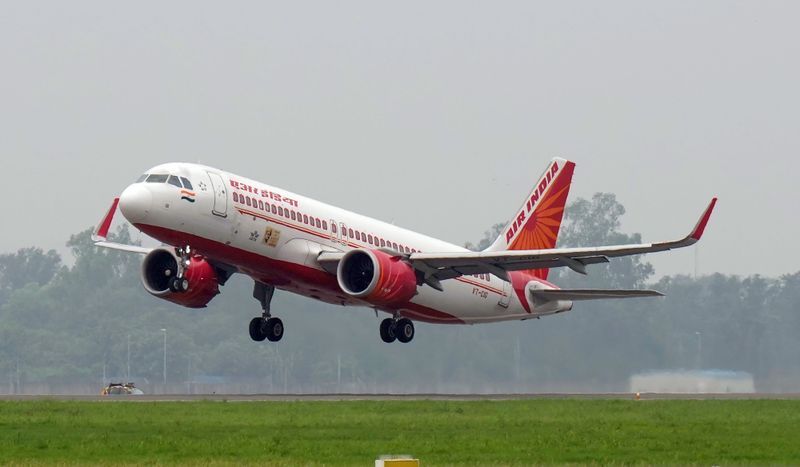
Air India CEO Campbell Wilson’s resignation has brought renewed attention to the airline’s ongoing challenges. These include the Air India crash investigation, a probe by the Directorate General of Civil Aviation (DGCA), flight safety concerns, operational disruptions, rising losses, and the Tata Group’s ambitious turnaround plan. The resignation occurs amid sustained scrutiny of Air India in India’s aviation sector and pressure to restore reliability in international operations. The article underscores the airline’s struggles and the broader context of challenges faced by the Indian aviation industry.
Key Points:
Air India CEO Campbell Wilson has resigned, signaling a significant shift in leadership amid the airline’s mounting challenges.
The airline is currently under investigation by the DGCA and is facing scrutiny over flight safety and operational disruptions.
Air India is grappling with rising losses, which have put pressure on the Tata Group to implement its turnaround plan.
The resignation comes at a critical time when Air India is facing intense scrutiny in India’s aviation sector and needs to restore reliability in international operations.
Actionable Takeaways:
Leadership Transition and Its Impact: The resignation of Air India’s CEO is a critical development that could signal a shift in the airline’s strategic direction. This change may bring new leadership focused on addressing the airline’s operational and financial challenges, potentially leading to improvements in flight safety and operational efficiency. Relevance: Leadership changes often bring fresh perspectives and strategies, which could be pivotal in turning around a struggling airline like Air India.
Focus on Safety and Operational Improvements: With the airline facing scrutiny over flight safety and operational disruptions, there is an urgent need for improvements in these areas. Implementing stricter safety protocols and optimizing operational processes could help restore confidence among passengers and stakeholders. Relevance: Enhancing safety and operational efficiency is crucial for airlines to regain market trust and improve profitability, especially in a competitive sector like aviation.
Tata Group’s Turnaround Plan: The Tata Group’s ambitious turnaround plan for Air India presents a strategic opportunity. If executed effectively, this plan could address the airline’s financial challenges and operational issues, potentially leading to a more sustainable business model. Relevance: Strategic partnerships or turnaround plans can provide the necessary resources and expertise to overcome significant challenges, making this a key area to watch for future developments in the airline’s performance.
Contextual Insights:
The resignation of Air India’s CEO and the airline’s current challenges reflect broader issues within the Indian aviation sector. The industry is under pressure to improve safety standards, operational efficiency, and financial performance. The Tata Group’s turnaround plan is a strategic response to these challenges, aiming to revitalize Air India and position it for long-term success. In the context of current travel trends, there is a growing emphasis on safety, reliability, and customer experience. Airlines that can effectively address these areas are likely to gain a competitive edge. Furthermore, the focus on turnaround plans and strategic leadership transitions highlights the industry’s need for innovative solutions to overcome longstanding challenges. As the travel industry continues to evolve, adaptability and strategic foresight will be key to navigating the complexities faced by airlines like Air India.