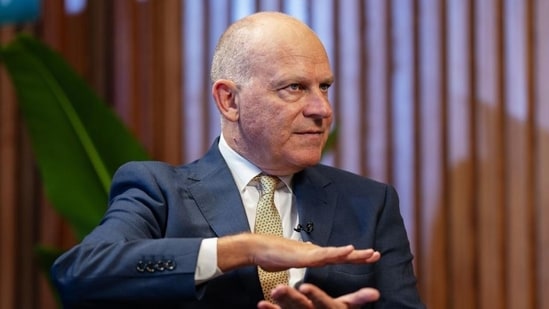
Air India’s CEO, Campbell Wilson, has resigned but will remain with the company until a successor is found. This leadership transition comes at a challenging time for the airline, which is grappling with operational disruptions, rising costs, and a projected record loss for the year. The resignation was officially accepted at a board meeting last week, signaling a potential shift in management as the airline navigates its current difficulties.
Wilson will stay with the company until a successor is identified.
The resignation occurs amidst operational disruptions, rising costs, and a likely record loss for the airline this year.
The leadership transition is set to take place at a critical juncture for the airline.
Actionable Takeaways:
Leadership Transition Timing: The resignation of Campbell Wilson at a time when Air India is facing significant challenges suggests a strategic move to stabilize the company. This transition could bring in fresh perspectives and expertise to address operational issues and financial losses, potentially leading to improved efficiency and cost management.
Focus on Operational Improvements: With rising costs and operational disruptions, the new CEO will need to prioritize operational improvements. This could involve streamlining processes, renegotiating contracts with suppliers, or investing in technology to enhance efficiency and reduce costs.
Financial Management: Given the projected record loss, effective financial management will be crucial. The new leadership will need to implement cost-cutting measures, optimize revenue streams, and possibly explore restructuring options to ensure the airline’s long-term viability.
Contextual Insights:
The resignation of Air India’s CEO amidst financial and operational challenges reflects broader trends within the travel industry, where airlines are increasingly facing pressure to adapt to changing market conditions. The focus on operational efficiency and financial management is a common theme among industry leaders, as companies strive to remain competitive in a rapidly evolving landscape. This situation underscores the importance of agile leadership and strategic decision-making in navigating the complexities of the travel sector. Furthermore, the context of rising costs and operational disruptions highlights the need for innovation in travel tech and fintech solutions, which can provide airlines with the tools needed to optimize operations and enhance customer experiences. As the industry continues to evolve, staying ahead of these trends will be essential for airlines aiming to overcome current challenges and secure a stable future.