





No products in the cart.
- Latest
- Trending

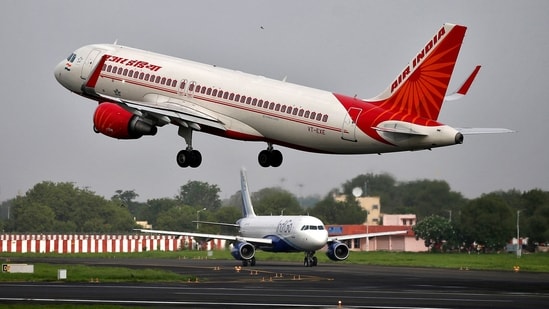
After taking off, the aircraft was reportedly four hours airborne before the decision was taken to divert. (Reuters/Representational Image)
Comprehensive Summarization:
Air India experienced a technical issue with an A350 aircraft en route to London, leading to a return to Delhi after nearly seven hours in the air. The aircraft landed safely and is now undergoing extensive technical evaluation. This incident highlights the importance of robust technical evaluation processes in the aviation industry and underscores the need for airlines to have contingency plans for such technical hiccups.
Key Points:
Actionable Takeaways:
Enhanced Technical Evaluation Protocols: Airlines should consider enhancing their technical evaluation protocols to swiftly identify and address potential issues during flights. This could involve investing in advanced diagnostic tools and training crews to handle technical emergencies more effectively. This takeaway is relevant as it directly addresses the need for improved safety measures in aviation, a critical aspect of the travel industry.
Importance of Contingency Plans: The incident underscores the importance of having robust contingency plans in place for technical issues. Airlines should ensure they have clear procedures for diverting flights, communicating with passengers, and managing the technical evaluation process. This takeaway is significant as it highlights the need for preparedness and efficient crisis management in the travel sector.
Contextual Insights:
The incident with Air India’s A350 aircraft is a reminder of the critical role that technical reliability plays in the aviation industry. With the travel industry facing increasing scrutiny over safety and reliability, airlines must prioritize the implementation of advanced technical evaluation processes. This not only ensures passenger safety but also builds trust and confidence among travelers. Furthermore, the event highlights the need for continuous innovation in travel tech, particularly in areas such as real-time diagnostics and predictive maintenance, to prevent such incidents in the future. As the industry evolves, thought leaders emphasize the importance of integrating cutting-edge technologies to enhance operational efficiency and passenger experience.
Read the Complete Article.
Get curated travel AI insights — choose the newsletters that matter to you.
This spot is reserved for brands with a compelling story for the travel trade. They use this space to cut...
Read moreDetailsALTOUR Expands into Thailand, Strengthening Corporate Travel Network Across Southeast Asia BANGKOK, THAILAND (25 March, 2026) – ALTOUR, a leading...
Read moreDetails


Comprehensive Summarization: Qatar Airways has announced the extension of its limited operational network to include 33 new destinations through April...
Read moreDetails