- Latest
- Trending

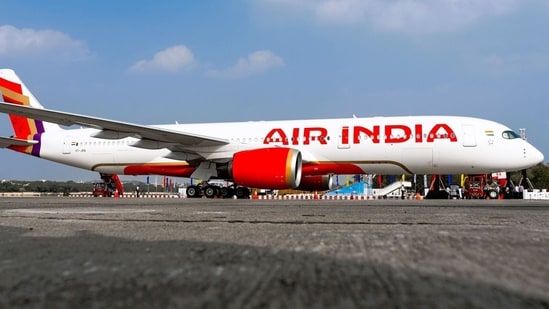
Air India made the announcement amid rising fuel costs due to US-Iran war (Reuters)
Comprehensive Summarization:
Air India has announced revised fuel surcharges on its flights due to a sharp increase in global jet fuel prices, primarily driven by the ongoing US-Iran war. The new surcharge structure will take effect from April 8 for domestic routes and April 10 for key international sectors. This decision comes as the Tata Group-owned carrier seeks to manage rising operational costs amidst geopolitical tensions affecting fuel prices worldwide.
Key Points:
Actionable Takeaways:
Cost Management Strategy: Air India’s decision to increase fuel surcharges reflects a proactive cost management strategy in response to volatile global fuel prices. This move may serve as a model for other airlines facing similar challenges, emphasizing the importance of transparent communication with customers regarding fare adjustments.
Impact on Travel Budgets: Passengers should anticipate higher travel costs, particularly for international flights. This could prompt a reevaluation of travel budgets and potentially influence consumer behavior, with some travelers opting for alternative modes of transportation or delaying trips.
Industry Trend: The surge in fuel prices due to geopolitical events highlights a broader trend in the travel industry where external factors significantly impact operational costs. This underscores the need for airlines to develop flexible pricing strategies and invest in fuel-efficient technologies to mitigate future risks.
Contextual Insights:
The article’s context is deeply rooted in the current geopolitical landscape, specifically the tensions between the US and Iran, which have led to a spike in global jet fuel prices. This situation is emblematic of how external geopolitical events can have cascading effects on the travel industry, particularly on airlines’ operational costs. The focus on fuel surcharges also reflects a growing trend among airlines to pass on increased operational costs to consumers, a strategy that requires careful communication to maintain customer trust and satisfaction.
Moreover, the article aligns with broader industry insights on the importance of adaptability in the face of unpredictable external factors. As travel technology continues to evolve, airlines are increasingly leveraging data analytics and predictive modeling to anticipate and mitigate the impacts of such price fluctuations. This strategic approach not only helps in managing costs but also in maintaining competitive pricing and service quality in a dynamic market environment.
Read the Complete Article.
Get curated travel AI insights — choose the newsletters that matter to you.