





No products in the cart.
- Latest
- Trending


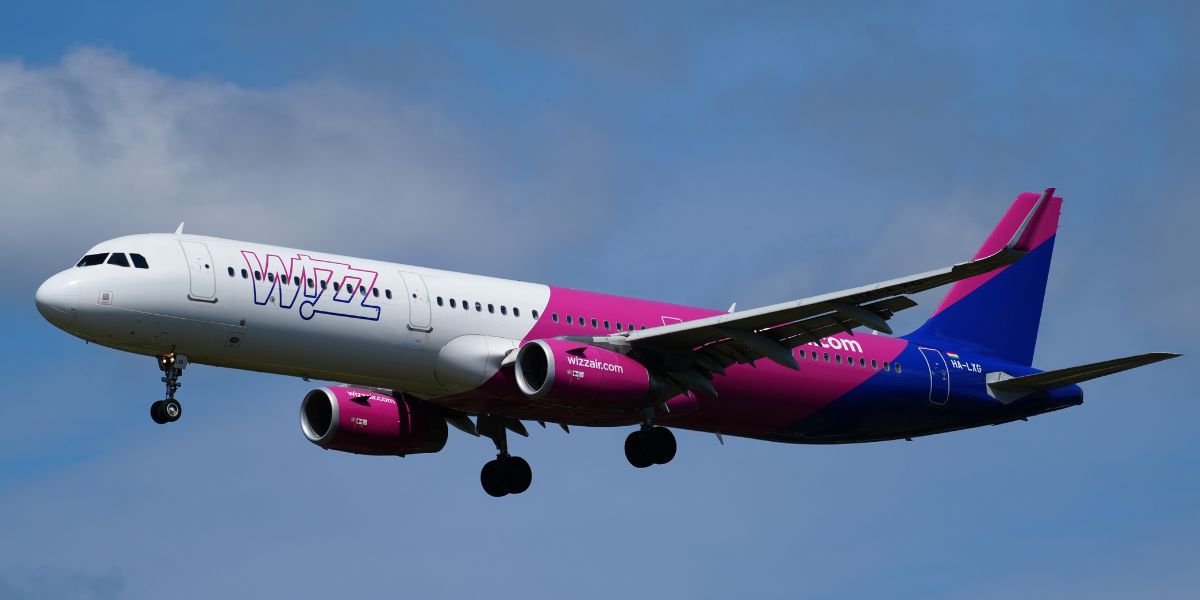
In separate statements, the two airlines confirmed that their planes had made contact.
Comprehensive Summarization:
The article reports a significant incident at Mumbai’s international airport where two passenger jets, an Air India and an IndiGo aircraft, clipped wings while taxiing on Tuesday evening. Both airlines confirmed the incident in separate statements, leading to the grounding of the aircraft for technical checks. The Directorate General of Civil Aviation, India’s aviation regulator, is also involved in the matter. This incident underscores the importance of stringent safety protocols and regulatory oversight in the aviation sector, especially in high-traffic airports like Mumbai.
Key Points:
Actionable Takeaways:
Enhanced Safety Protocols: The near-miss incident at Mumbai’s airport underscores the necessity for airlines to implement and rigorously adhere to enhanced safety protocols, particularly during taxiing operations. This could involve more frequent safety drills, advanced monitoring systems, and comprehensive training for ground staff to prevent such incidents in the future.
Regulatory Oversight and Compliance: The involvement of the Directorate General of Civil Aviation underscores the critical role of regulatory bodies in ensuring aviation safety. Airlines should ensure continuous compliance with regulatory standards and consider establishing a proactive compliance framework to preemptively address potential safety concerns.
Investment in Advanced Monitoring Systems: Given the proximity of the incident, there is a clear opportunity for airlines to invest in advanced monitoring and communication systems for ground operations. Real-time tracking and communication tools could significantly reduce the risk of such incidents by providing immediate alerts and facilitating quicker response times.
Contextual Insights:
The incident at Mumbai’s international airport highlights the ongoing challenges in the aviation sector, particularly concerning safety and operational efficiency. With the travel industry experiencing a post-pandemic resurgence, the focus on safety and regulatory compliance has become more pronounced. The use of advanced technologies, such as real-time monitoring systems and improved communication protocols, is becoming increasingly vital. This incident serves as a reminder for the travel industry to prioritize safety innovations and regulatory adherence, ensuring that the sector continues to evolve in a secure and efficient manner. As travel trends shift towards more sustainable and technologically integrated solutions, the lessons learned from such incidents will be crucial in shaping future industry standards and practices.
Read the Complete Article.
Get curated travel AI insights — choose the newsletters that matter to you.
ALTOUR Expands into Thailand, Strengthening Corporate Travel Network Across Southeast Asia BANGKOK, THAILAND (25 March, 2026) – ALTOUR, a leading...
Read moreDetails


Comprehensive Summarization: Flydubai has announced the resumption of its international flight operations on the Chattogram–Dubai route, following a suspension that...
Read moreDetails