





No products in the cart.
- Latest
- Trending

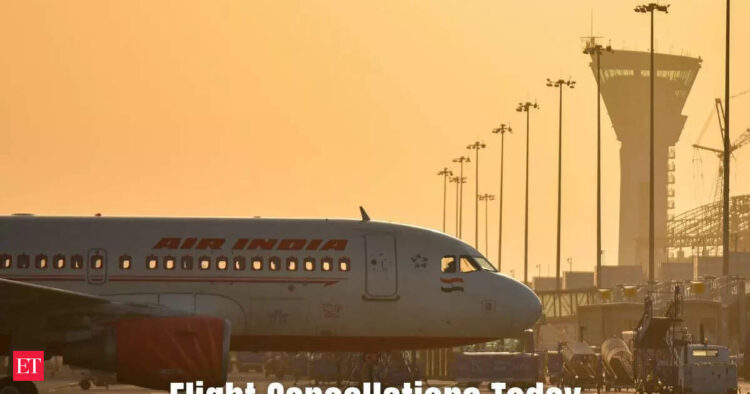
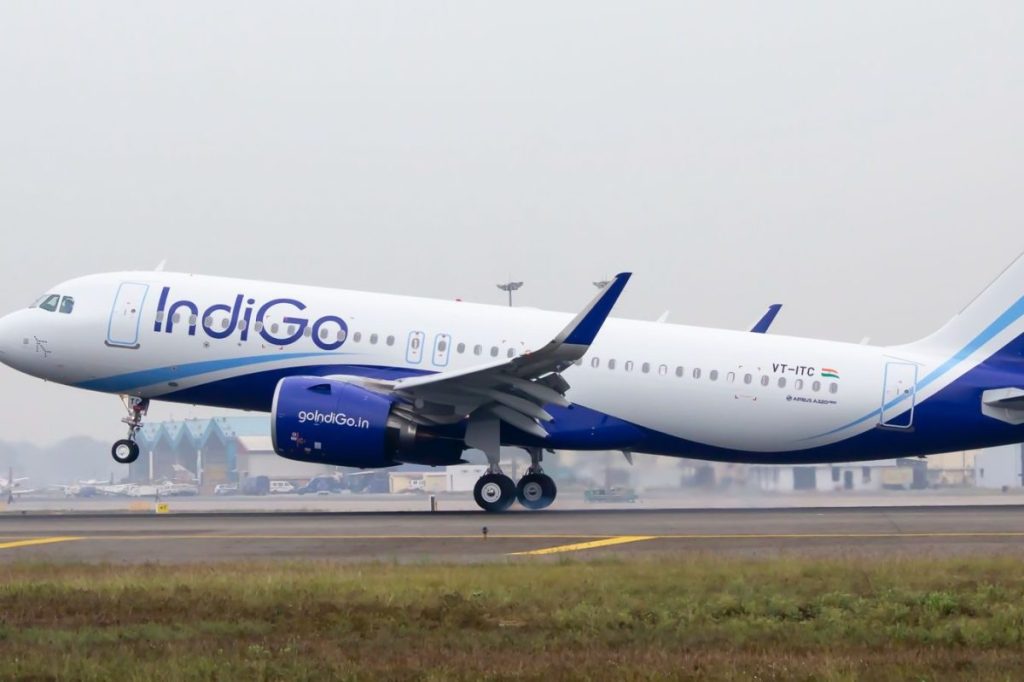
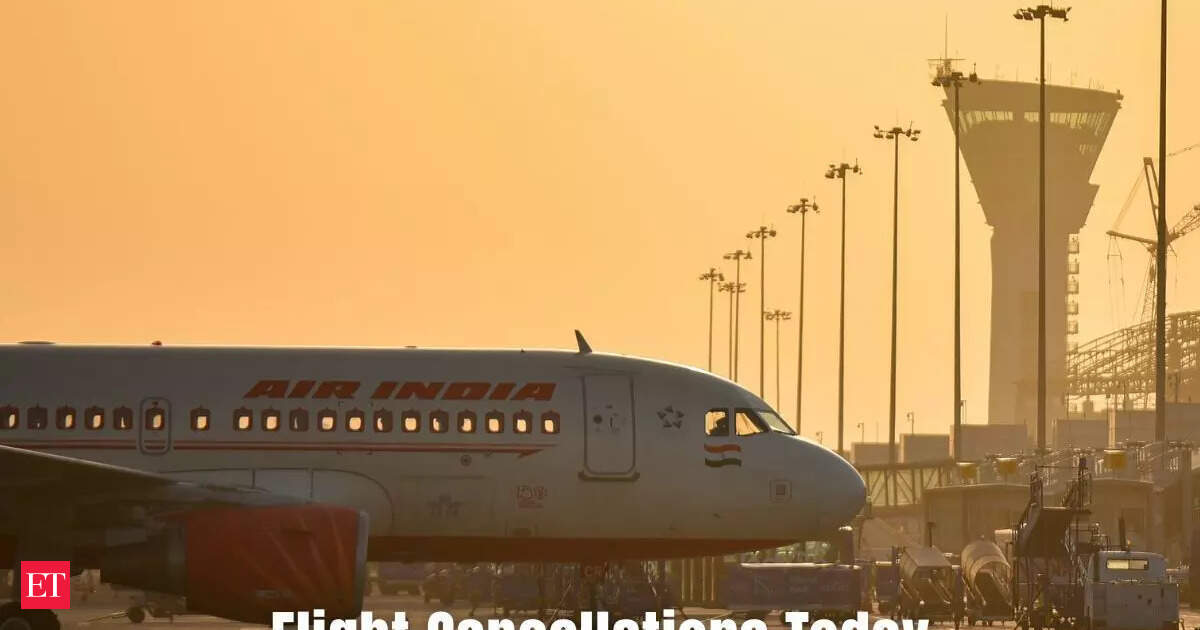
Air India and IndiGo flights cancelled. Check the complete list here.
Comprehensive Summarization:
The Ministry of Civil Aviation has reported a significant increase in flight cancellations in the Middle East, with 410 domestic flights and an expected 444 international cancellations on March 1, 2023. This surge in cancellations is attributed to airspace restrictions that have rendered traditional flight paths unsafe. The ministry is actively coordinating with relevant authorities to address the situation. The article also touches on the broader travel industry trends, highlighting the importance of adaptability and innovation in response to such disruptions.
Key Points:
Actionable Takeaways:
Implement Flexible Cancellation Policies: Airlines should consider offering more flexible cancellation policies to mitigate the impact of airspace restrictions on customer satisfaction and loyalty. This can help retain customers during uncertain times and encourage future bookings.
Invest in Real-Time Tracking and Communication Systems: To enhance transparency and customer trust, airlines should invest in real-time tracking systems and effective communication channels. This will help manage passenger expectations and reduce anxiety associated with flight cancellations.
Explore Alternative Routes and Destinations: Airlines should explore alternative routes and destinations to minimize the impact of airspace restrictions. This could involve partnering with other airlines or exploring less affected regions to maintain service continuity.
Contextual Insights:
The recent surge in flight cancellations in the Middle East underscores the vulnerability of the travel industry to external disruptions, such as airspace restrictions. This situation highlights the importance of adaptability and innovation within the sector. As travel tech continues to evolve, there is a growing emphasis on leveraging real-time data and communication technologies to enhance operational resilience. Startups and established players alike are focusing on developing solutions that can quickly adapt to changing conditions, such as dynamic routing systems and improved passenger communication platforms. These innovations not only help mitigate the immediate impact of disruptions but also position companies to better navigate future uncertainties. The current scenario also emphasizes the need for strategic partnerships and collaborations within the industry to share resources and expertise, ensuring a more robust and resilient travel ecosystem.
Read the Complete Article.
Get curated travel AI insights — choose the newsletters that matter to you.
ALTOUR Expands into Thailand, Strengthening Corporate Travel Network Across Southeast Asia BANGKOK, THAILAND (25 March, 2026) – ALTOUR, a leading...
Read moreDetails


Comprehensive Summarization: Flydubai has announced the resumption of its international flight operations on the Chattogram–Dubai route, following a suspension that...
Read moreDetails