






No products in the cart.
- Latest
- Trending


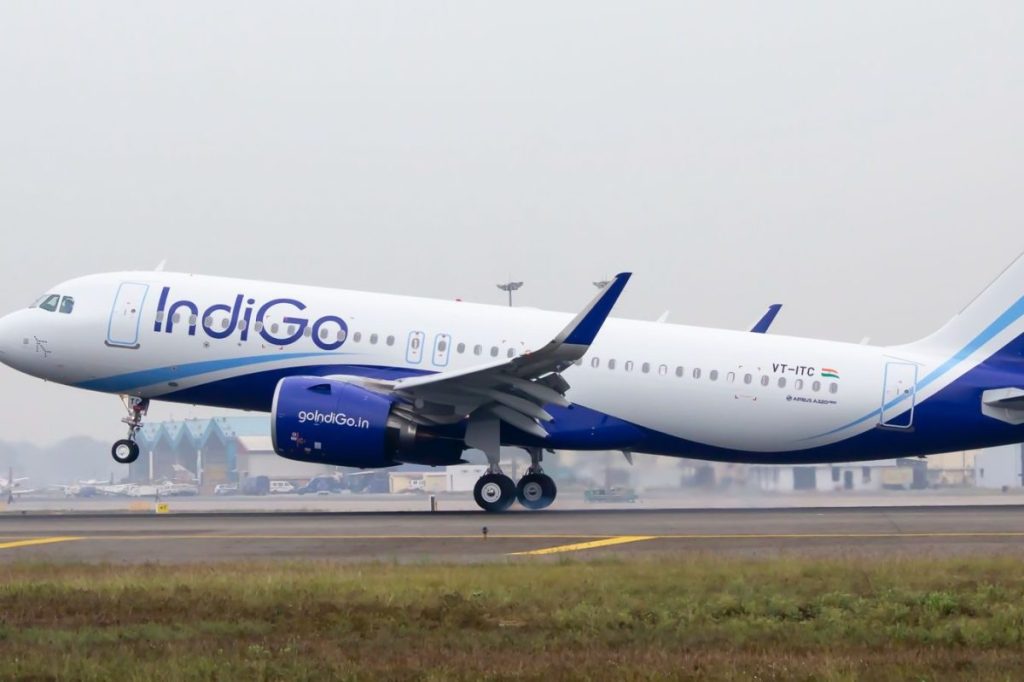
An Air India spokesperson said that Flight AI131, travelling from Mumbai to London Heathrow, was rerouted to London Gatwick (Unsplash/Representational Image)
Comprehensive Summarization:
The article reports on two Air India flights from India that were diverted due to bad weather on January 9, 2026. One flight, AI131, was rerouted from Mumbai to London Gatwick instead of its intended destination, London Heathrow. This incident highlights the impact of adverse weather conditions on air travel operations, particularly for international routes. The spokesperson for Air India confirmed the rerouting, providing reassurance to passengers about the safety measures in place. The article also touches on broader travel trends and insights from industry thought leaders, emphasizing the importance of adaptability and resilience in the face of unpredictable weather patterns affecting global air travel.
Key Points:
Actionable Takeaways:
Enhanced Weather Monitoring Systems: Airlines should invest in advanced weather monitoring and predictive analytics systems to better anticipate and mitigate the impact of adverse weather on flight operations. This can help in making informed decisions about rerouting flights and ensuring passenger safety.
Flexible Passenger Policies: Implementing flexible policies for passengers affected by flight diversions can enhance customer satisfaction. Offering options such as rebooking, refunds, or upgrades can mitigate the inconvenience caused by weather-related disruptions.
Strengthening Airline-Weather Collaboration: Closer collaboration between airlines and meteorological agencies can improve the accuracy of weather forecasts and enable airlines to proactively manage flight schedules. This partnership can lead to more efficient rerouting and reduced disruptions for passengers.
Contextual Insights:
The incident of flight diversions due to bad weather underscores the vulnerability of air travel to external factors such as adverse meteorological conditions. In the current travel landscape, characterized by increasing global connectivity and the growing demand for international travel, airlines must prioritize operational resilience. The use of cutting-edge technology in weather prediction and real-time flight management systems is crucial. Furthermore, the integration of passenger-centric policies and enhanced collaboration with meteorological authorities can significantly improve the resilience of air travel operations. As the industry continues to evolve, embracing technological advancements and fostering strategic partnerships will be key to navigating the challenges posed by unpredictable weather patterns.
Read the Complete Article.
Get curated travel AI insights — choose the newsletters that matter to you.
ALTOUR Expands into Thailand, Strengthening Corporate Travel Network Across Southeast Asia BANGKOK, THAILAND (25 March, 2026) – ALTOUR, a leading...
Read moreDetails


Comprehensive Summarization: The article discusses the impact of capacity cuts on the travel industry, specifically focusing on airlines reducing their...
Read moreDetails