







No products in the cart.
- Latest
- Trending

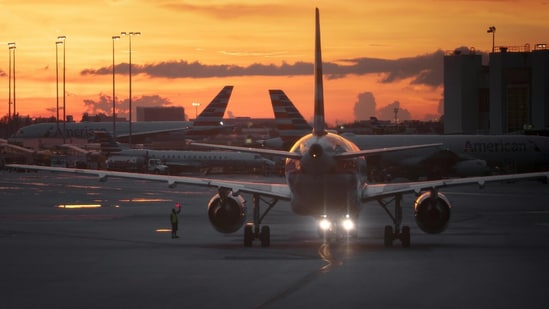
Airlines across Asia and Europe are experiencing flight disruptions through the Middle East, and ticket fares are set to rise, impacting travellers worldwide. (Pexels/Representational Image)
Comprehensive Summarization:
Airlines across Asia and Europe are responding to sharp increases in global oil prices, primarily driven by the ongoing Iran war, by raising ticket prices and adding fuel surcharges. This move is aimed at offsetting the higher operating costs resulting from the volatile oil market. The article also highlights the disruptions to flight routes through the Middle East, further complicating travel plans for passengers. The situation underscores the sensitivity of the travel industry to geopolitical events and commodity price fluctuations, impacting both airlines and travelers worldwide.
Key Points:
Actionable Takeaways:
Price Sensitivity and Cost Management: Airlines must carefully balance fare increases with fuel surcharges to maintain profitability while managing customer price sensitivity. This approach can help airlines mitigate the impact of rising oil prices on their bottom line.
Route Optimization and Disruption Management: Airlines should invest in advanced route optimization technologies to minimize the impact of Middle East disruptions. This includes developing alternative routes and leveraging real-time data analytics to anticipate and respond to geopolitical events affecting flight paths.
Investment in Fuel Efficiency: Given the direct correlation between oil prices and operating costs, airlines should prioritize investments in fuel-efficient aircraft and sustainable aviation fuels. This not only helps in cost management but also aligns with global sustainability goals, potentially opening new market opportunities.
Contextual Insights:
The article reflects the current state of the travel industry, where airlines are directly affected by geopolitical tensions and commodity price volatility. The recent escalation in the Iran war has led to immediate operational challenges, including increased fuel costs and disrupted flight routes. This situation highlights the need for airlines to adopt agile strategies that can quickly adapt to changing market conditions. Furthermore, the emphasis on fuel efficiency and sustainable practices underscores a broader industry trend towards environmental responsibility. As the travel industry continues to navigate these challenges, thought leaders predict a shift towards more resilient business models that can withstand geopolitical and economic uncertainties. This includes a greater focus on digital transformation, customer experience enhancements, and strategic partnerships to mitigate risks and capitalize on emerging opportunities.
Read the Complete Article.
Get curated travel AI insights — choose the newsletters that matter to you.
ALTOUR Expands into Thailand, Strengthening Corporate Travel Network Across Southeast Asia BANGKOK, THAILAND (25 March, 2026) – ALTOUR, a leading...
Read moreDetails


Comprehensive Summarization: Airlines across Asia and Europe are responding to sharp increases in global oil prices, primarily driven by the...
Read moreDetails