







No products in the cart.
- Latest
- Trending

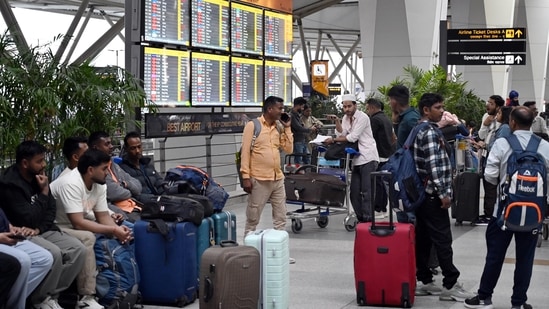
Passengers at the Jeddah airport in Saudi Arabia earlier this week. (HT File Photo)
Comprehensive Summarization:
The article reports that leading Indian airlines, including IndiGo, SpiceJet, and Qantas Airlines, have started increasing fuel surcharges on domestic and international flights due to a sharp surge in the global prices of aviation turbine fuel (ATF). This increase is attributed to the ongoing conflict between Iran and the US-Israel bloc, which has caused a significant rise in ATF prices since early March 2026. ATF typically accounts for 40% of an airline’s operating expenses, making this a substantial financial impact. The article highlights the broader implications of this fuel price hike on the travel industry, emphasizing the need for airlines to adjust their pricing strategies in response to volatile fuel costs.
Key Points:
Actionable Takeaways:
Adjust Pricing Strategies: Airlines should promptly adjust their pricing strategies to account for the increased fuel surcharges. This proactive approach will help maintain profitability and customer satisfaction amidst rising operational costs.
Diversify Fuel Suppliers: Airlines could explore diversifying their fuel suppliers to mitigate risks associated with geopolitical tensions affecting fuel prices. This strategy could provide more stable fuel costs and reduce dependency on volatile markets.
Invest in Fuel-Efficient Technologies: Investing in fuel-efficient aircraft and technologies could help airlines offset the increased costs from higher fuel prices. This move aligns with broader industry trends towards sustainability and cost management.
Contextual Insights:
The surge in ATF prices is a direct consequence of the geopolitical tensions between Iran and the US-Israel bloc, which have led to a sharp increase in global fuel prices. This situation is emblematic of the travel industry’s vulnerability to external geopolitical factors, which can significantly impact operational costs. In response, airlines are increasingly focusing on cost management and strategic adjustments to maintain financial stability. The article also highlights the broader trend of airlines diversifying their fuel supply chains to mitigate risks associated with geopolitical uncertainties. This trend is particularly relevant in the current context, where geopolitical events can rapidly alter market dynamics. Furthermore, the article aligns with the growing emphasis on sustainability within the travel industry, as airlines explore fuel-efficient technologies to reduce operational costs and environmental impact. These insights underscore the need for airlines to adopt a multifaceted approach to managing the challenges posed by rising fuel costs, integrating financial prudence with strategic innovation.
Read the Complete Article.
Get curated travel AI insights — choose the newsletters that matter to you.
ALTOUR Expands into Thailand, Strengthening Corporate Travel Network Across Southeast Asia BANGKOK, THAILAND (25 March, 2026) – ALTOUR, a leading...
Read moreDetails


Comprehensive Summarization: The article reports that leading Indian airlines, including IndiGo, SpiceJet, and Qantas Airlines, have started increasing fuel surcharges...
Read moreDetails