






















Travel Capitalist Ventures Expands Check Size to $10 Million to Deepen Emerging Market Conviction
Boutique Travel VC raises investment cap from $1.5M to $10M to lead rounds and support portfolio companies through growth Travel...
Read moreDetails
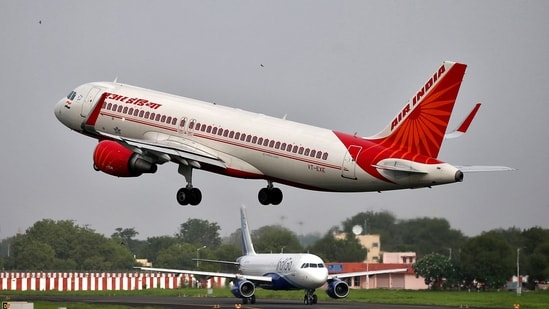
A Vancouver-bound Air India Boeing 777-200 LR aircraft, after being airborne for over seven hours, returned to Delhi on March 19 after it was found that the plane was not approved for operating the flight. The approval is only for Boeing 777-300 ER to operate that flight. (REUTERS)
Comprehensive Summarization:
The article reports that the Directorate General of Civil Aviation (DGCA) has instructed Air India to implement corrective measures following an incident where the airline mistakenly deployed a Boeing 777-200 LR aircraft for a flight to Vancouver. The plane, which was not approved for this route, returned to Delhi after being airborne for over seven hours. The correct aircraft for this flight is a Boeing 777-300 ER. This incident highlights the importance of accurate aircraft deployment and the potential risks associated with operational errors in the aviation sector.
Key Points:
Actionable Takeaways:
Implement Robust Aircraft Verification Protocols: Airline operators should enhance their verification processes to ensure the correct aircraft is deployed for each route. This could involve automated systems or enhanced training for ground staff to prevent such operational errors.
Enhance Communication Channels: Strengthen communication between airlines, air traffic control, and ground staff to ensure clarity and accuracy in flight assignments. This can help in avoiding similar incidents in the future.
Regular Training and Audits: Conduct regular training sessions for airline staff on aircraft specifications and operational procedures. Additionally, perform routine audits to ensure compliance with operational standards and protocols.
Contextual Insights:
The incident with Air India highlights the ongoing challenges in the aviation industry, particularly concerning operational efficiency and safety. With the increasing complexity of flight operations and the growing reliance on technology, the risk of human error cannot be overlooked. The article underscores the need for continuous improvement in operational protocols and the adoption of advanced technologies to mitigate such risks. Furthermore, the incident serves as a reminder of the critical role that regulatory bodies like DGCA play in ensuring the safety and integrity of air travel. As the travel industry continues to evolve, with advancements in technology and changing market dynamics, it is imperative for airlines to remain vigilant and proactive in addressing operational challenges. This incident also highlights the importance of fostering a culture of safety and precision within the aviation sector, which is crucial for maintaining public trust and ensuring the industry’s growth.
Read the Complete Article.
Boutique Travel VC raises investment cap from $1.5M to $10M to lead rounds and support portfolio companies through growth Travel...
Read moreDetails




