







No products in the cart.
- Latest
- Trending


Comprehensive Summarization:
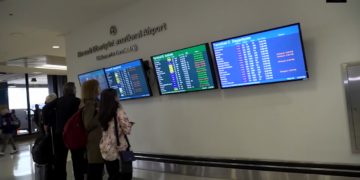
The article reports on the significant disruption caused by the Middle East airspace closure following US-Israel strikes on Iran. This action led to the cancellation of nearly 180 flights, prompting Iran to retaliate with counterfire, targeting Washington bases across the region. The explosions were reported in several Gulf countries including UAE, Bahrain, Saudi Arabia, and Kuwait. The situation has escalated tensions and disrupted travel plans, prompting updates and live tracking of the Iran-US tensions. The article also references the latest travel trends and insights from thought leaders, highlighting the impact of geopolitical events on the travel industry.
Key Points:
Actionable Takeaways:
Travel Disruption Management: Airlines and travel agencies should develop contingency plans for rapid route adjustments and communication strategies in the event of geopolitical disruptions. This includes real-time updates to passengers and flexible booking policies to mitigate financial losses.
Geopolitical Risk Assessment: Travel companies should enhance their risk assessment frameworks to include geopolitical events. This involves monitoring international relations and potential conflict zones to anticipate and prepare for travel disruptions.
Investment in Travel Tech: The escalation highlights the importance of robust travel technology solutions. Innovations in real-time flight tracking, automated communication systems, and flexible booking platforms can help mitigate the impact of such disruptions on both airlines and passengers.
Contextual Insights:
The article reflects the heightened sensitivity of the travel industry to geopolitical events, particularly those involving major powers like the US and Iran. The Middle East airspace closure and subsequent flight cancellations underscore the vulnerability of the travel sector to international conflicts. This situation emphasizes the need for travel companies to adopt agile and resilient strategies to navigate such crises. Furthermore, the reference to the latest travel trends and insights from thought leaders suggests that the industry is increasingly focusing on technological solutions to enhance resilience and adaptability. This forward-looking perspective aligns with the growing trend of integrating advanced technologies in travel operations to ensure continuity and customer satisfaction amidst unpredictable global events.
Read the Complete Article.
Get curated travel AI insights — choose the newsletters that matter to you.
This spot is reserved for brands with a compelling story for the travel trade. They use this space to cut...
Read moreDetailsALTOUR Expands into Thailand, Strengthening Corporate Travel Network Across Southeast Asia BANGKOK, THAILAND (25 March, 2026) – ALTOUR, a leading...
Read moreDetails

Comprehensive Summarization: India is leading Asia in spiritual travel for 2026, with 19% of travelers planning faith-based journeys, according to...
Read moreDetails