




No products in the cart.
- Latest
- Trending

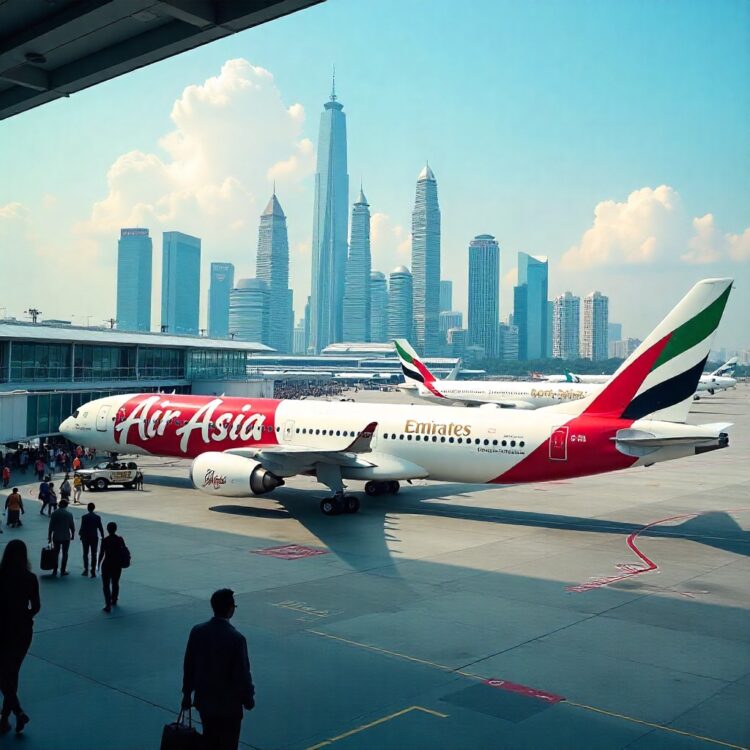
AirAsia Drives Record Growth in Passenger Traffic at Malaysia Airports, Supporting Tourism and Hospi...
Article Summary:
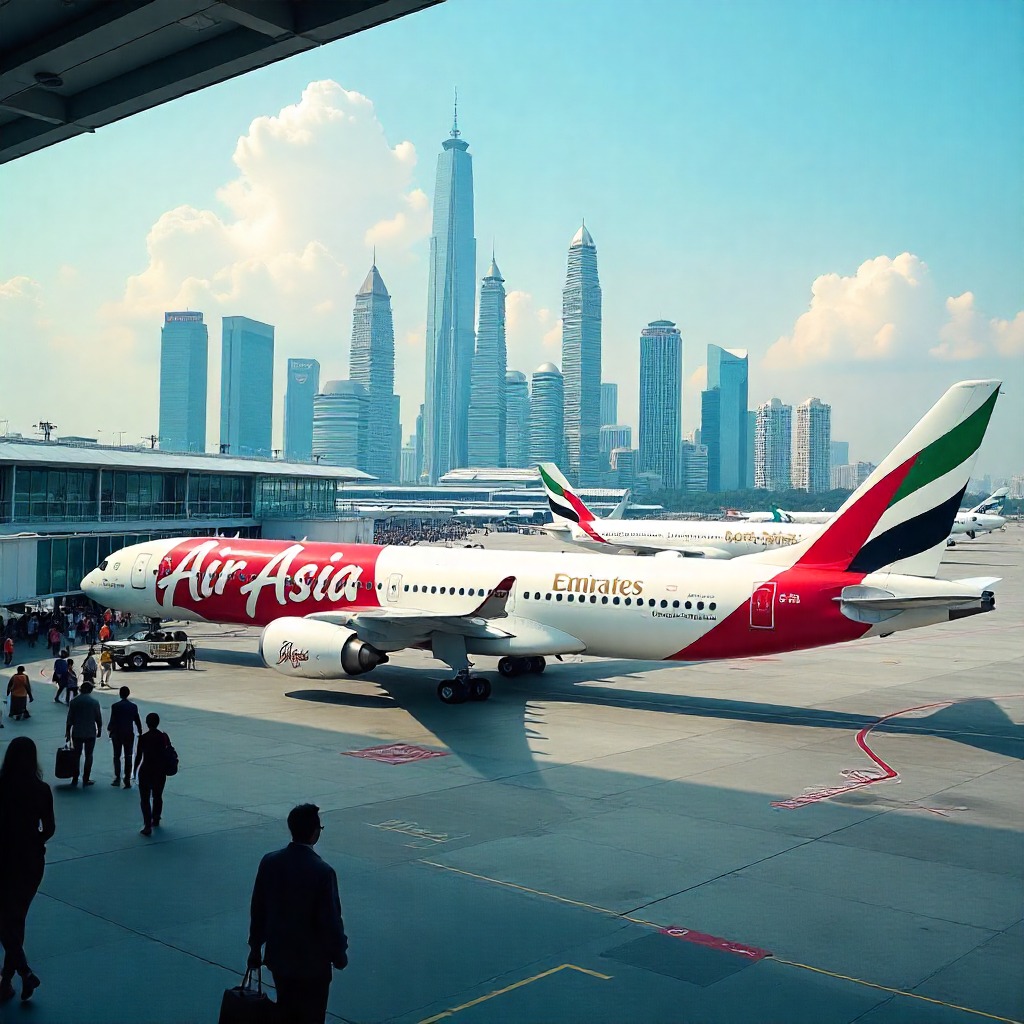
AirAsia and Emirates are spearheading a surge in passenger traffic at Malaysia airports, with their strategic route expansions and increased flight frequencies playing a pivotal role. This growth is bolstering tourism and hospitality sectors, particularly at luxury hotels like The St. Regis and Four Seasons in Kuala Lumpur. The article underscores the significant impact of airline expansion on the broader travel and tourism ecosystem.
Key Points:
Actionable Takeaways:
Contextual Insights:
The article reflects the ongoing trend of airline expansion as a key driver of growth in the travel industry. With major carriers like AirAsia and Emirates focusing on route enhancements and increased flight frequencies, the ripple effects are evident across the tourism and hospitality sectors. This trend aligns with broader industry insights that emphasize the importance of strategic partnerships and innovative solutions to meet the evolving needs of travelers. As luxury hotels like The St. Regis and Four Seasons benefit from increased visitor numbers, there is a clear opportunity for travel startups and fintech firms to capitalize on this growth by offering tailored services that enhance the travel experience, such as streamlined booking processes, exclusive travel packages, and integrated travel insurance solutions. This context underscores the interconnected nature of airline operations, luxury accommodations, and the broader travel ecosystem, highlighting the potential for collaborative growth and innovation in the sector.
Read the Complete Article.
Get curated travel AI insights — choose the newsletters that matter to you.
ALTOUR Expands into Thailand, Strengthening Corporate Travel Network Across Southeast Asia BANGKOK, THAILAND (25 March, 2026) – ALTOUR, a leading...
Read moreDetails


— April 2, 2025 In short: Flyadeal's CEO Steven Greenway resigns by his own request. Flyadeal CEO Resigns According to...
Read moreDetails