






No products in the cart.
- Latest
- Trending

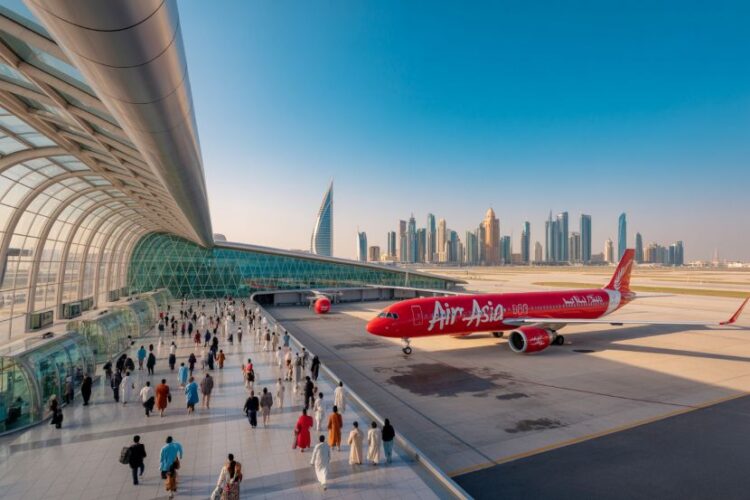
AirAsia’s Bold Move to Bahrain: A New Aviation Hub Connecting Asia, the Middle East, and Europe for ...
Article Summary:
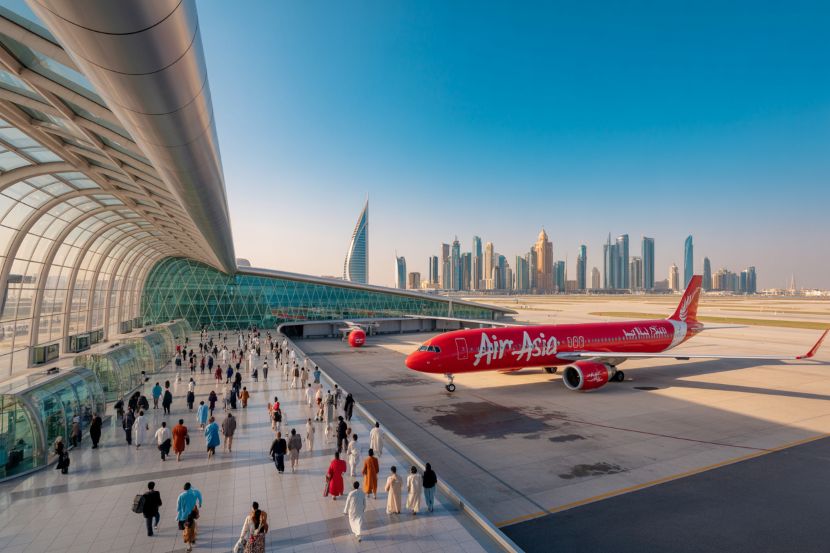
AirAsia has announced plans to establish a Middle East hub in Bahrain, positioning the Gulf nation as a strategic aviation gateway connecting Asia, the Middle East, and Europe. This move aims to expand AirAsia’s reach and enhance connectivity across these regions, leveraging the airline’s low-cost, high-efficiency model to dramatically increase travel options and accessibility.
Key Points:
Actionable Takeaways:
Contextual Insights:
The announcement of AirAsia’s new Middle East hub in Bahrain reflects broader trends in the travel industry towards strategic regional expansions and the increasing importance of connectivity hubs. As global travel continues to recover and evolve, the establishment of such hubs can play a crucial role in enhancing accessibility and connectivity across continents. This move aligns with the current industry trend of leveraging technology and innovation to improve travel experiences and operational efficiencies. Furthermore, it highlights the potential for fintech innovations in travel, such as digital payment solutions and integrated booking platforms, to further enhance the travel experience and operational efficiency for both airlines and travelers.
Read the Complete Article.
Get curated travel AI insights — choose the newsletters that matter to you.
ALTOUR Expands into Thailand, Strengthening Corporate Travel Network Across Southeast Asia BANGKOK, THAILAND (25 March, 2026) – ALTOUR, a leading...
Read moreDetails


India-based RateGain Travel Technologies Limited has partnered with Cashfree Payments to enhance its payments infrastructure, appointing the firm as a...
Read moreDetails