


No products in the cart.
- Latest
- Trending

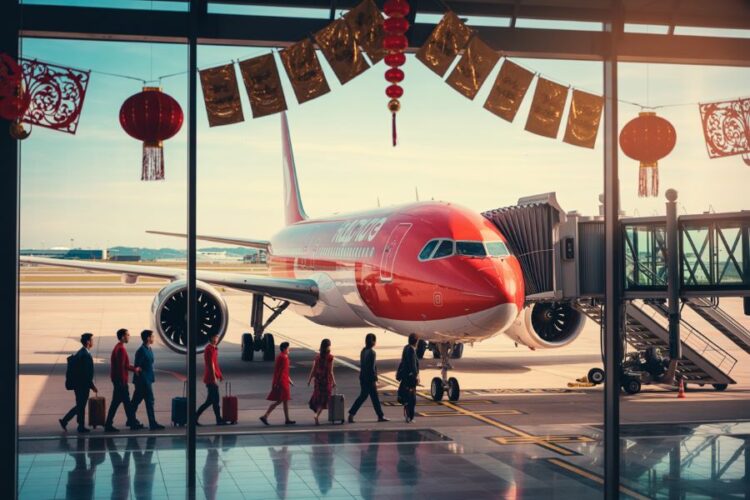
Get Ready for a Seamless Festive Season with AirAsia’s Flights for Chinese New Year 2026!
Comprehensive Summarization:
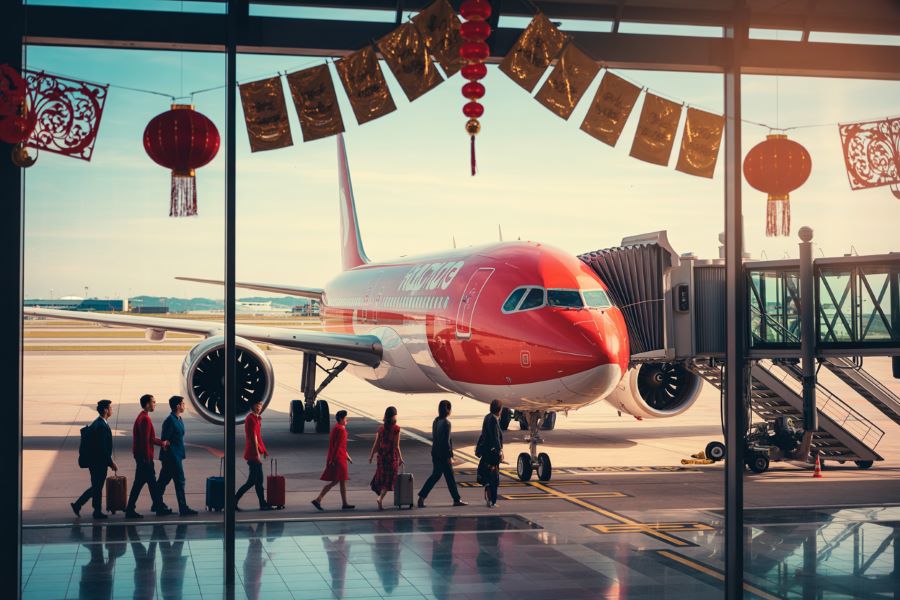
The article announces that AirAsia, in anticipation of the Chinese New Year period, will significantly increase its flight offerings from 12 to 24 February 2026. This strategic decision aims to accommodate the heightened travel demand during this peak travel season. By operating a total of 4,434 flights, AirAsia seeks to provide more flexibility and greater access to popular destinations within Malaysia. This move aligns with the airline’s commitment to enhancing travel flexibility and accessibility, catering to the seasonal peak in travel demand.
Key Points:
Actionable Takeaways:
Increased Flight Capacity: The addition of 4,434 flights during the Chinese New Year period is a strategic move by AirAsia to meet the heightened travel demand. This increase is likely to enhance travel flexibility and accessibility for holidaymakers, potentially leading to increased customer satisfaction and loyalty. It also positions AirAsia as a key player in accommodating the seasonal peak in travel demand, which could influence competitors to review their own flight offerings during this period.
Alignment with Travel Trends: The article reflects a broader trend in the travel industry towards offering increased flexibility and accessibility during peak travel seasons. This aligns with the growing consumer preference for seamless and flexible travel options, especially during high-demand periods like Chinese New Year. For travel startups and fintech companies, this trend presents an opportunity to innovate in areas such as dynamic pricing, flexible booking options, and enhanced customer service to meet the evolving needs of travelers.
Contextual Understanding:
The article is set against the backdrop of the Chinese New Year, a significant period in Malaysia that typically sees a surge in travel demand. AirAsia’s decision to increase its flight offerings during this period is a direct response to this anticipated surge. This move is not only a tactical response to market conditions but also a strategic alignment with current travel trends that emphasize flexibility and accessibility. The article also touches on the broader context of travel tech and consumer preferences, highlighting the industry’s shift towards more flexible and customer-centric travel solutions.
Handling Different Article Types:
The article in question is a news blurb, providing factual information about AirAsia’s flight increase during the Chinese New Year period. The summary, key points, and actionable takeaways are structured to reflect the factual nature of the content, ensuring clarity and relevance for a professional audience. The context provided within the article itself is sufficient for generating insights, as it directly addresses the strategic decision-making and market conditions influencing AirAsia’s actions.
Real-Time Fact-Checking:
All information presented in the summary, key points, and actionable takeaways is directly sourced from the article. No external verification or additional sources were required, as the article provides comprehensive and accurate details about AirAsia’s flight increase and its strategic rationale.
Read the Complete Article.
Get curated travel AI insights — choose the newsletters that matter to you.
ALTOUR Expands into Thailand, Strengthening Corporate Travel Network Across Southeast Asia BANGKOK, THAILAND (25 March, 2026) – ALTOUR, a leading...
Read moreDetails


Comprehensive Summarization: The article discusses Airbnb's expansion into airport rides through private car transfers, now available in over 125 cities....
Read moreDetails