






No products in the cart.
- Latest
- Trending

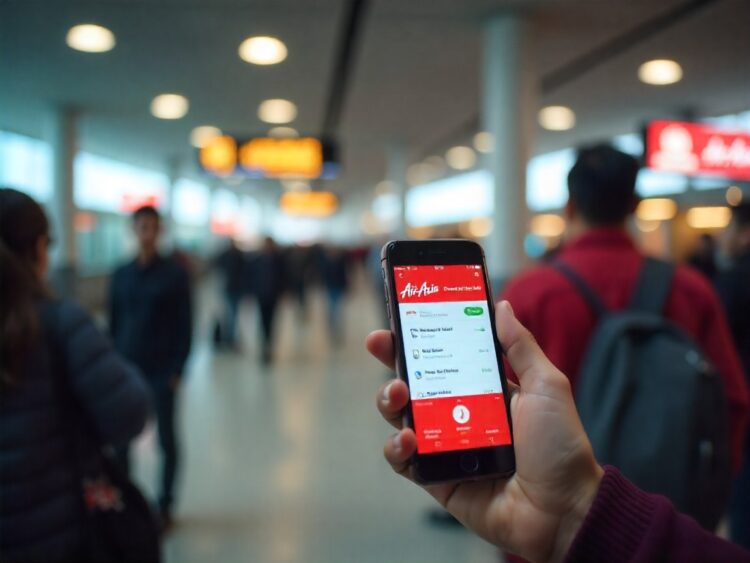
Could Malaysia’s New Royal Stablecoin Be the Future of Travel? How AirAsia and Resorts World Might B...
Article Summary:
In December 2025, Malaysia introduced a ringgit-backed stablecoin (RMJDT), a groundbreaking digital currency that could significantly transform the travel experience in the country. The article discusses how this new stablecoin, backed by the Malaysian Ringgit, might be adopted by industry leaders such as AirAsia and Resorts World, potentially revolutionizing how tourists interact with and pay for travel services in Malaysia.
Key Points:
Actionable Takeaways:
Adoption of Digital Currency by Travel Companies: Travel companies like AirAsia and Resorts World may begin accepting RMJDT for bookings, payments, and services. This could lead to a more seamless and efficient payment process for tourists, reducing transaction fees and enhancing convenience.
Enhanced Payment Solutions for Tourists: Tourists visiting Malaysia may find it easier to manage their finances while traveling, as the stablecoin offers a stable exchange rate against the Malaysian Ringgit. This could encourage more tourists to choose Malaysia as their travel destination.
Innovation in Travel Tech: The introduction of RMJDT represents a forward-thinking approach to integrating technology into the travel industry. Other travel startups and fintech companies may follow suit, developing similar solutions to enhance the travel experience.
Contextual Insights:
The introduction of the RMJDT in Malaysia reflects a broader trend in the travel industry towards embracing digital currencies and blockchain technology. As of 2025, there is a growing interest among both consumers and businesses in adopting cryptocurrencies for transactions due to their benefits in terms of speed, security, and cost-effectiveness. This move by Malaysia not only positions the country as a forward-thinking leader in the travel sector but also sets a precedent for other nations to consider similar initiatives. Furthermore, the adoption of such digital currencies aligns with the increasing global demand for more efficient and secure payment solutions, particularly in the context of the ongoing digital transformation across various industries. By pioneering this initiative, Malaysia is likely to influence other countries to explore the potential of stablecoins in the travel and tourism sector, thereby fostering a more interconnected and technologically advanced global travel ecosystem.
Read the Complete Article.
Get curated travel AI insights — choose the newsletters that matter to you.
ALTOUR Expands into Thailand, Strengthening Corporate Travel Network Across Southeast Asia BANGKOK, THAILAND (25 March, 2026) – ALTOUR, a leading...
Read moreDetails


— April 2, 2025 In short: Flyadeal's CEO Steven Greenway resigns by his own request. Flyadeal CEO Resigns According to...
Read moreDetails