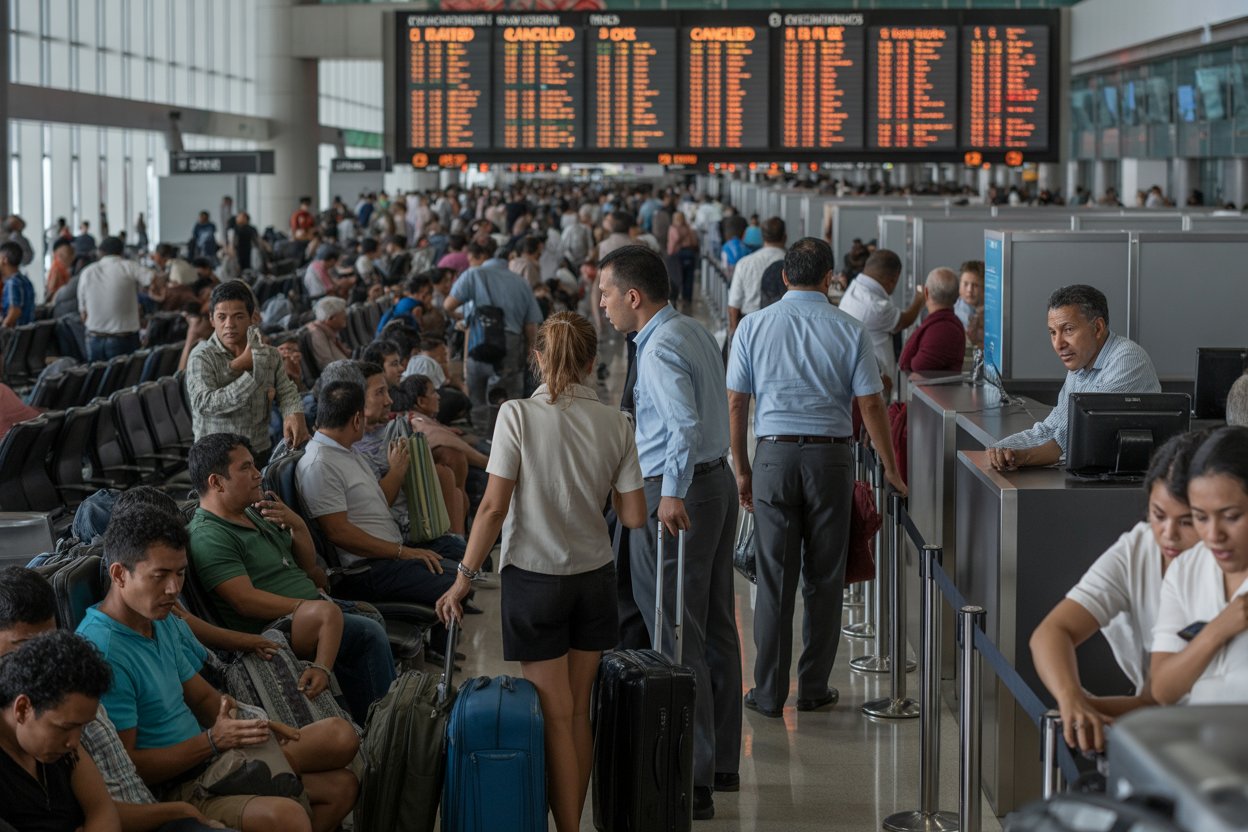
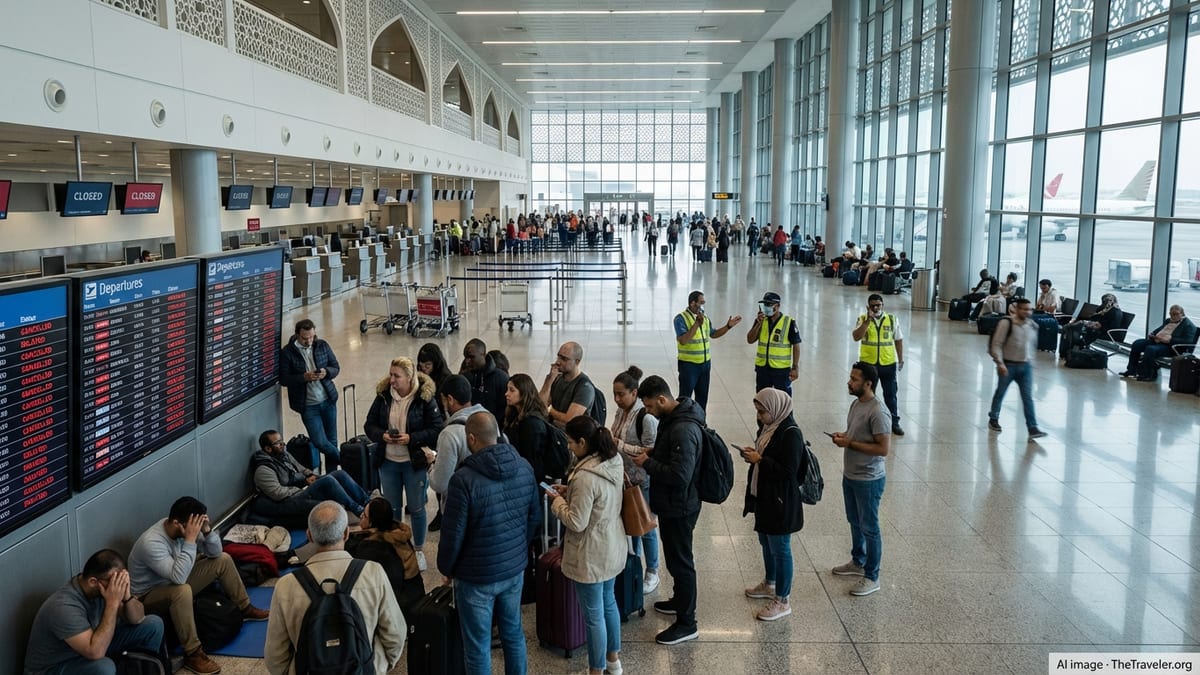
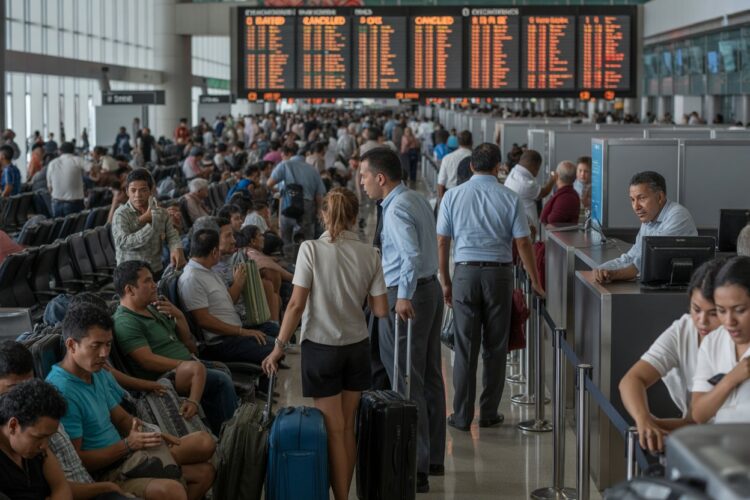
The article reports significant operational disruptions at Vancouver International Airport (YVR) on February 20, 2026, with 101 flights delayed and 11 cancelled. This disruption affects major airlines including Air Canada, WestJet, and American Airlines, impacting travelers across Vancouver, Toronto, Montreal, Calgary, and Edmonton. The situation highlights the challenges faced by the travel industry in managing large-scale disruptions, causing considerable inconvenience for passengers and potentially impacting the broader travel ecosystem.
Key Points:
Operational Disruptions at YVR: 101 flights were delayed and 11 cancelled, affecting major airlines and causing significant travel headaches for passengers across multiple Canadian cities.
Impact on Travelers: The disruptions have caused major frustration for passengers, highlighting vulnerabilities in airport operations and the need for improved contingency planning.
Affected Airlines: The disruptions involved Air Canada, WestJet, and American Airlines, indicating widespread impact across the Canadian airline sector.
Actionable Takeaways:
Enhanced Operational Resilience: Airlines and airports should invest in advanced operational planning and real-time communication systems to mitigate the impact of flight disruptions. This includes better coordination between airlines, ground staff, and passengers to manage delays and cancellations effectively.
Focus on Passenger Experience: Airlines should prioritize passenger communication and support during disruptions. Providing clear updates, alternative travel options, and compensation for inconveniences can help maintain customer satisfaction and loyalty.
Invest in Technology: The article underscores the need for technological advancements in airport operations. Implementing AI-driven predictive analytics and automated systems can help airlines better forecast and manage flight disruptions, reducing their frequency and impact.
Contextual Insights:
The disruptions at YVR reflect broader challenges within the travel industry, particularly in managing large-scale operational issues. Recent trends indicate a growing reliance on technology to enhance operational efficiency and passenger experience. Innovations in travel tech, such as AI-driven scheduling and real-time tracking systems, are becoming increasingly important. Startups in the travel sector are also focusing on developing solutions that improve airport operations and passenger services. This incident serves as a reminder of the critical role technology plays in maintaining the resilience and reliability of air travel, especially in a sector where passenger safety and satisfaction are paramount.