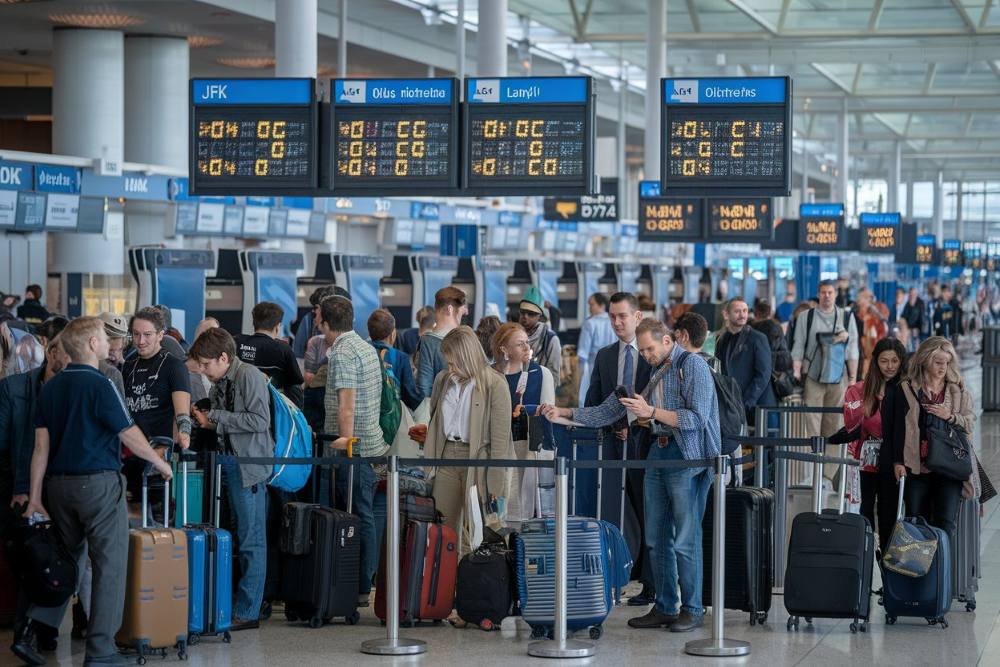
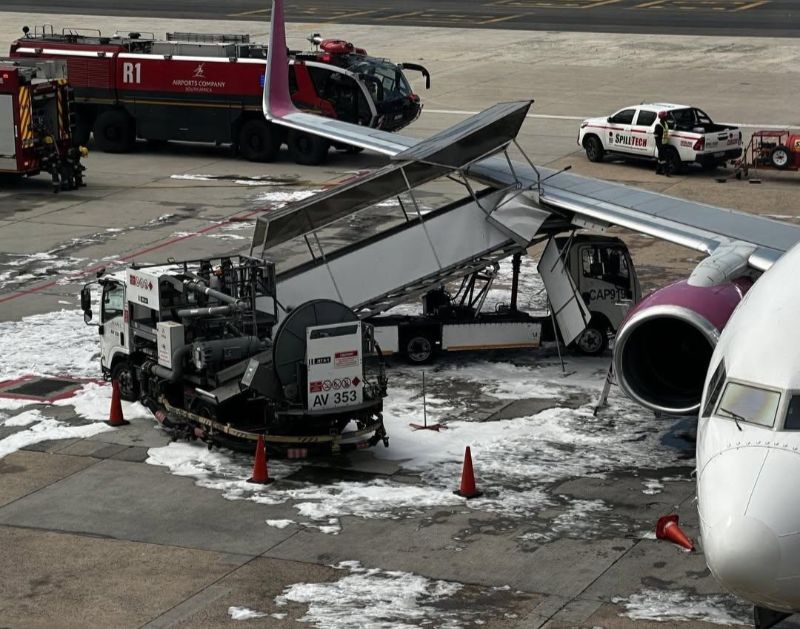
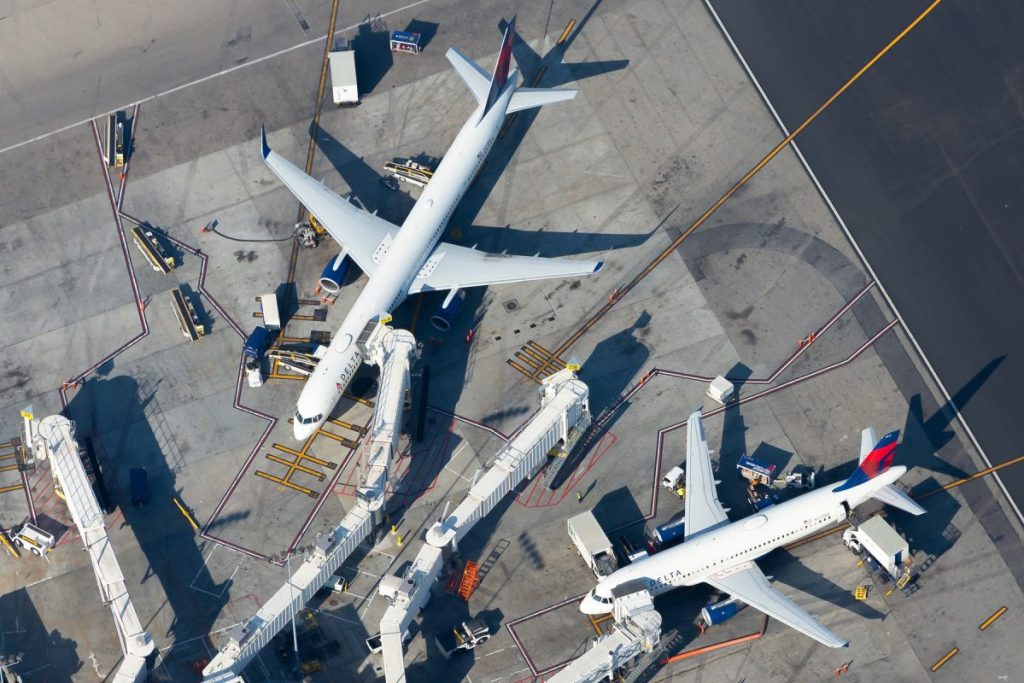
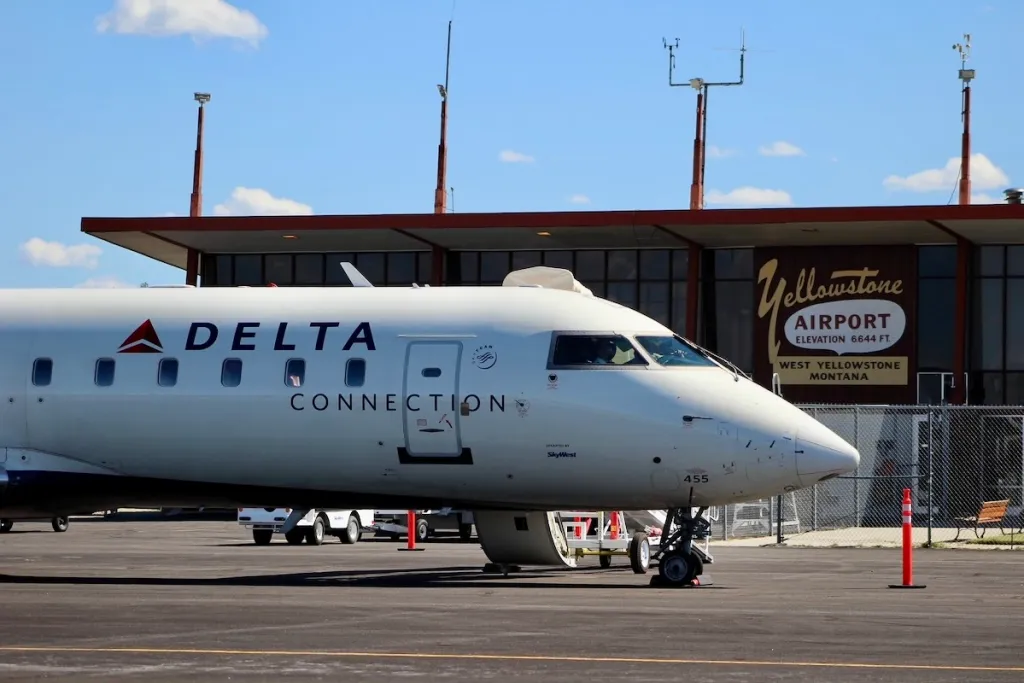
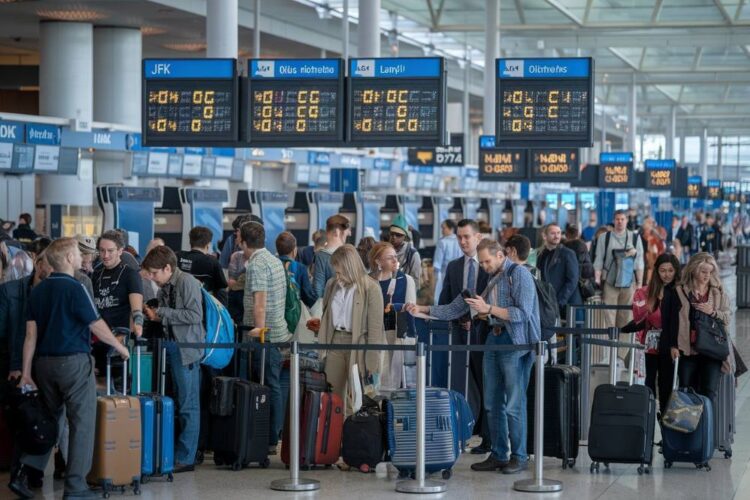
The article reports on a significant disruption in US air travel, with major airlines such as Spirit, United, Delta, and American canceling 187 flights and experiencing 2,747 delays. This disruption has left thousands of travelers stranded across key travel hubs including New York, Chicago, Los Angeles, Fort Lauderdale, Orlando, and Washington D.C. The article highlights the widespread impact of these cancellations and delays, emphasizing the challenges faced by both passengers and the airlines in managing such extensive travel disruptions.
Key Points:
Major US airlines, including Spirit, United, Delta, and American, have canceled 187 flights and experienced 2,747 delays.
The disruptions have stranded thousands of travelers across major travel hubs in the US, including New York, Chicago, Los Angeles, Fort Lauderdale, Orlando, and Washington D.C.
The article underscores the challenges faced by both passengers and airlines in managing such extensive travel disruptions.
Actionable Takeaways:
Enhanced Communication Strategies: Airlines should prioritize improving communication with stranded travelers. Providing real-time updates and clear information on rebooking options can help mitigate passenger frustration and improve customer satisfaction. This is crucial as effective communication can significantly impact the perception of airline service quality during disruptions.
Investment in Resilient IT Systems: The article highlights the technical challenges airlines face during large-scale disruptions. Investing in more resilient and scalable IT systems can help airlines manage and recover from disruptions more efficiently. This includes implementing advanced flight tracking systems, automated rebooking tools, and robust customer support platforms to handle high volumes of inquiries and changes swiftly.
Focus on Customer Experience Recovery: Airlines should prioritize customer experience recovery by offering compensation or incentives for stranded travelers. This could include travel vouchers, upgrades, or additional services to make up for the inconvenience caused. Such measures not only help in retaining customer loyalty but also in turning a negative experience into a positive one, potentially leading to future patronage.
Contextual Insights:
The widespread cancellations and delays reported in the article reflect broader trends in the travel industry, particularly in the wake of recent global events that have impacted air travel safety and operational efficiency. The article’s context is set against the backdrop of ongoing advancements in travel technology, where innovations in AI-driven customer service and real-time flight tracking are becoming increasingly vital. These technologies can help airlines manage disruptions more effectively by providing real-time updates to passengers and automating the rebooking process. Furthermore, the article aligns with current industry trends emphasizing the importance of customer-centric strategies in crisis management. As the travel industry continues to recover from the impacts of the pandemic, the ability to swiftly adapt to and recover from disruptions will be a key differentiator for airlines and travel service providers.