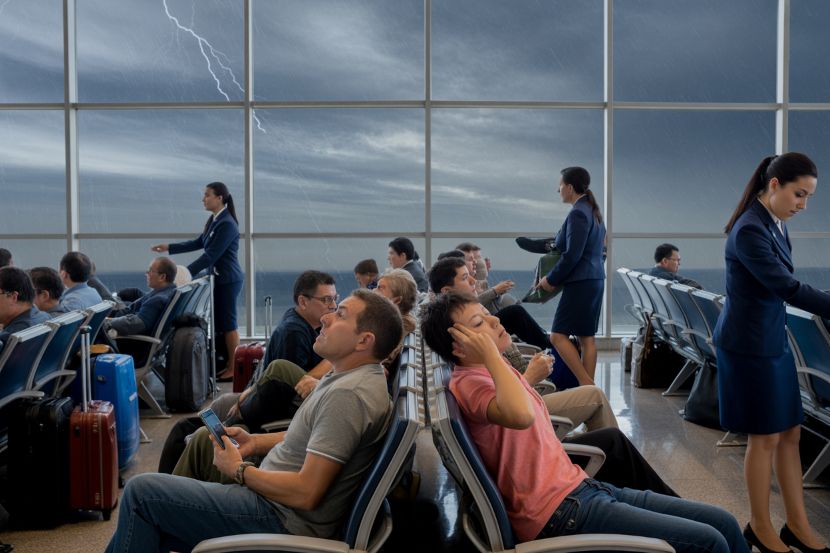
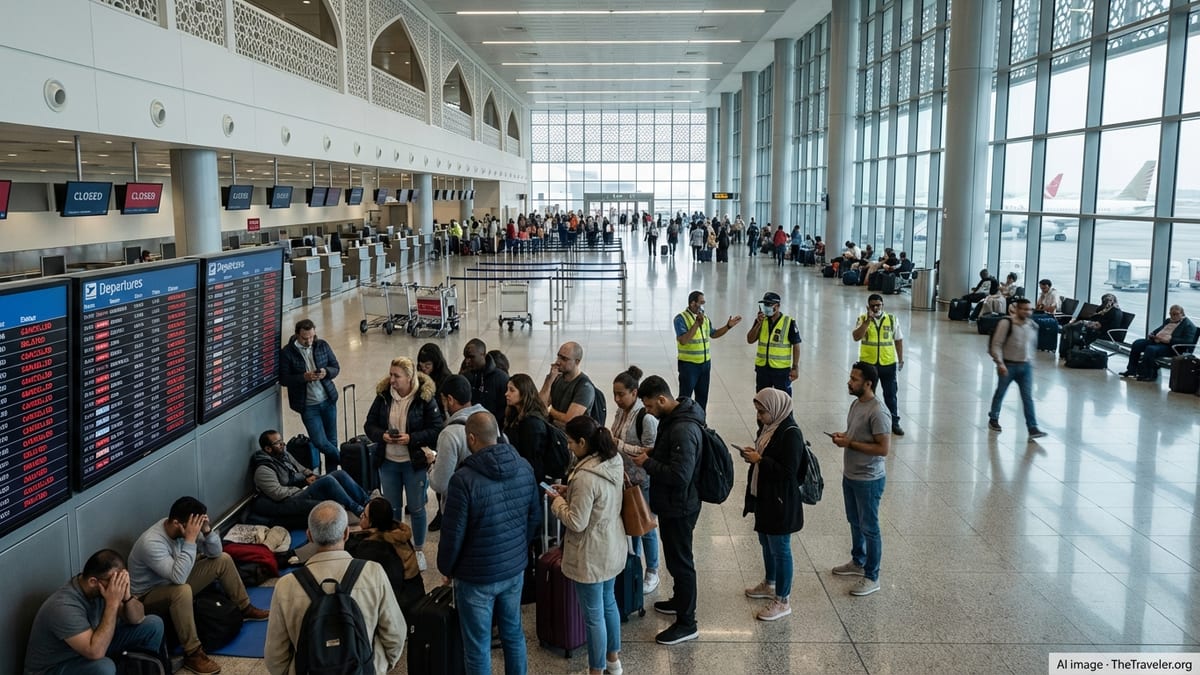
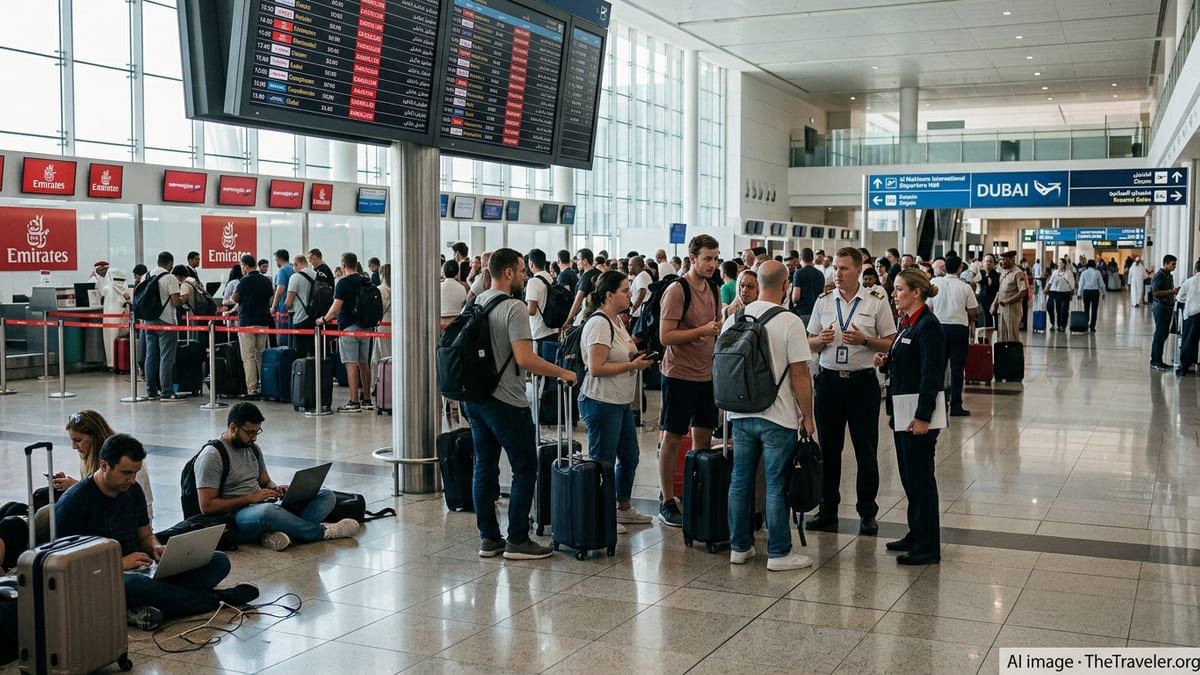
On February 2, 2026, the travel industry in the United States experienced significant disruptions as 192 flights were canceled and 726 flights faced substantial delays across major airports in North Carolina, Texas, and Florida. The article, titled “Thousands of US Passengers Stranded as 192 Flights Are Scrapped and 726 Suffer Significant Setbacks Across Major Airports in North Carolina, Texas, and Florida; American Airlines, Spirit Airlines, and Delta Among the Hardest Hit,” highlights the severe impact on air travel. American Airlines, Spirit Airlines, and Delta were among the hardest hit, with the disruptions affecting thousands of passengers. The article provides a snapshot of the challenges faced by travelers and the operational hurdles faced by airlines during this period.
Key Points:
Flight Disruptions: A total of 192 flights were canceled, and 726 flights experienced significant delays across major airports in North Carolina, Texas, and Florida.
Major Affected Airlines:American Airlines, Spirit Airlines, and Delta were among the hardest hit, indicating widespread operational challenges for these carriers.
Impact on Travelers: The disruptions stranded thousands of passengers, highlighting the severe impact on air travel in the United States on February 2, 2026.
Operational Challenges: The article underscores the operational difficulties faced by airlines, emphasizing the need for robust contingency plans and efficient customer communication strategies.
Actionable Takeaways:
Enhanced Communication Protocols: Airlines should implement enhanced communication protocols to promptly inform passengers about flight disruptions. This can help manage passenger expectations and reduce anxiety, thereby improving customer satisfaction.
Operational Resilience: Airlines should invest in operational resilience strategies, including backup crew scheduling and flexible routing options, to mitigate the impact of unexpected cancellations and delays. This proactive approach can enhance service reliability and customer trust.
Technology Integration: Leveraging advanced travel tech solutions, such as real-time flight tracking and automated customer support systems, can streamline operations and improve the passenger experience during disruptions. These technologies can provide real-time updates and assist in managing passenger inquiries efficiently.
Contextual Insights:
The disruptions in air travel on February 2, 2026, reflect broader trends in the industry, such as the increasing reliance on technology to manage operational challenges. The article aligns with recent insights from travel industry thought leaders who emphasize the importance of adaptability and innovation in maintaining service continuity. As the travel sector continues to evolve, integrating cutting-edge technologies and refining operational strategies will be crucial for airlines to navigate future disruptions effectively. The current scenario underscores the necessity for airlines to prioritize customer communication and operational flexibility to mitigate the adverse effects of unforeseen events on passenger travel.
Comprehensive Summarization: Uber Technologies, Inc. and Blacklane have announced a strategic acquisition where Uber will acquire Blacklane. This acquisition is...