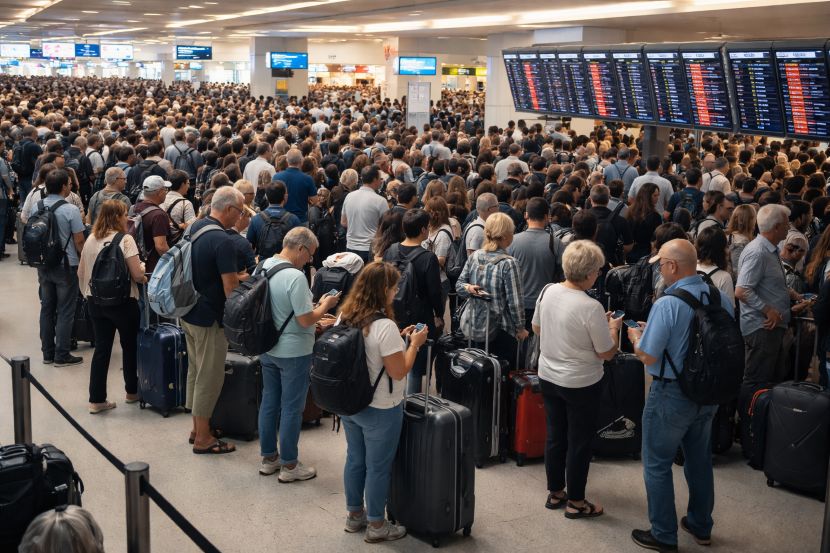
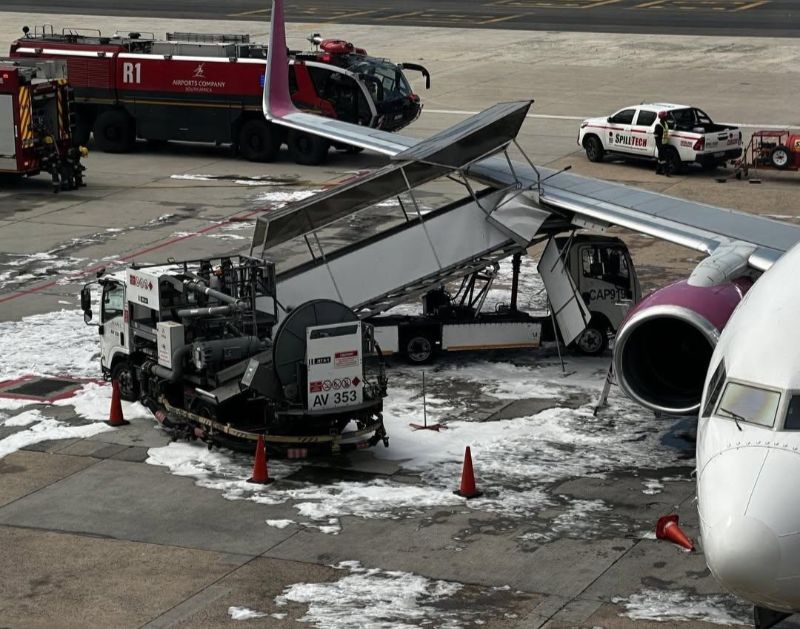
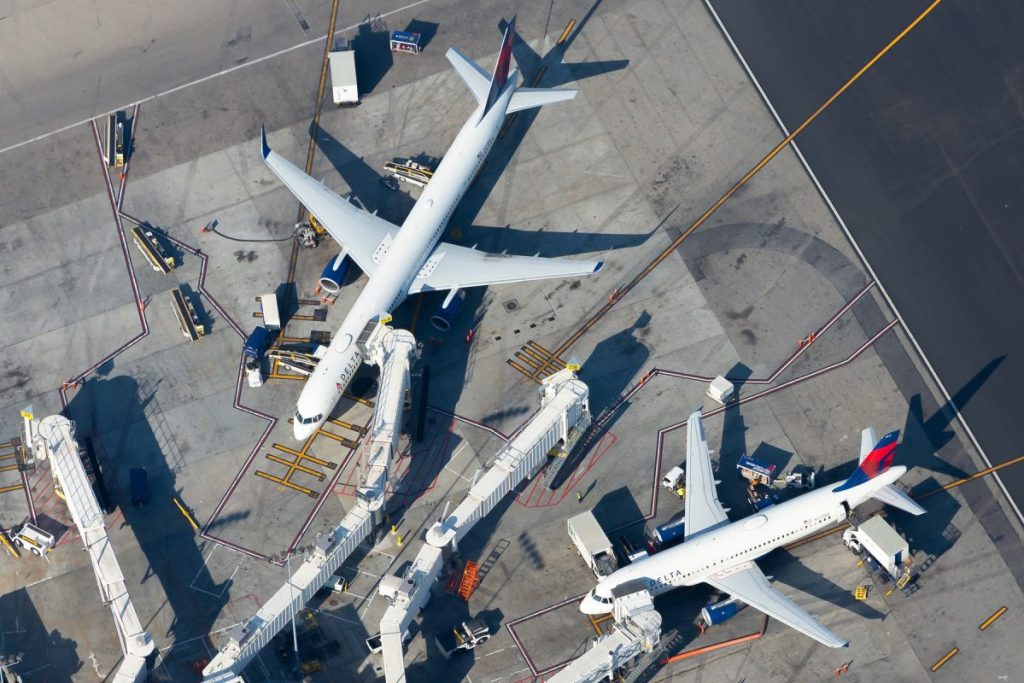
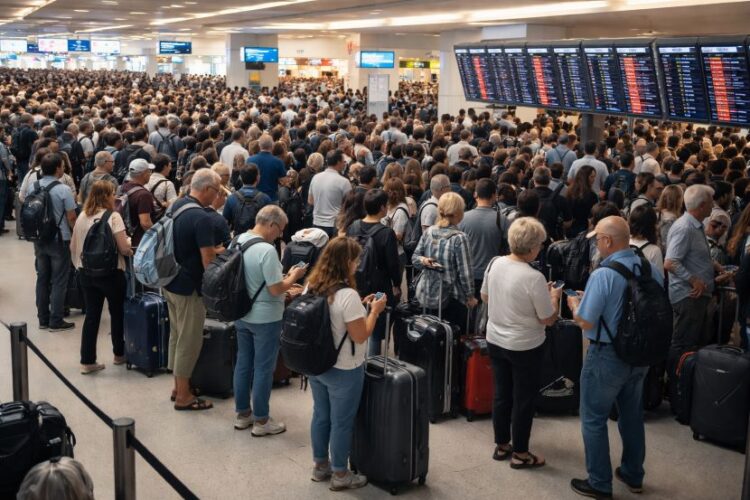
The article reports on significant disruptions at Chicago O’Hare International Airport (ORD), where United, American Airlines, Delta, and Republic Airlines collectively experienced 252 flight delays and 237 cancellations. This widespread issue affects travelers and the broader airline and tourism industries, particularly impacting major US cities including New York, Los Angeles, and Miami. ORD, being one of the busiest airports in the United States, serves as a critical hub for international and domestic flights, making these operational challenges a major concern for both airlines and passengers alike.
Key Points:
Operational Disruptions at ORD: The article highlights a major operational crisis at Chicago O’Hare International Airport, with 252 flight delays and 237 cancellations affecting numerous routes and major US cities.
Impact on Travelers and Industry: The widespread delays and cancellations have a profound impact on travelers, causing inconvenience and financial losses, and pose challenges to the airline and tourism sectors, potentially leading to decreased passenger confidence and revenue.
Significance of ORD as a Hub: The article emphasizes ORD’s status as one of the busiest airports in the United States, underscoring the critical role it plays in the national and international travel ecosystem.
Actionable Takeaways:
Enhanced Operational Resilience: Airlines and airports should invest in advanced operational technologies and contingency planning to mitigate the impact of large-scale disruptions. This includes real-time monitoring systems, flexible crew scheduling, and improved communication channels with passengers to manage expectations and reduce anxiety during such events.
Focus on Passenger Experience: Airlines should prioritize passenger communication and support during disruptions. Providing clear updates, offering alternative travel options, and ensuring customer service is readily available can help mitigate negative impacts on customer satisfaction and loyalty.
Collaborative Industry Response: There is a need for greater collaboration among airlines, airports, and regulatory bodies to develop standardized protocols for handling large-scale disruptions. This could involve sharing real-time data, coordinating ground operations, and ensuring that airports have the necessary resources to manage unexpected challenges effectively.
Contextual Insights:
The article reflects the ongoing challenges faced by the travel industry, particularly in managing large-scale operational disruptions at major hubs like Chicago O’Hare. Recent trends indicate a growing reliance on technology to enhance operational efficiency and passenger experience. Innovations such as AI-driven predictive analytics, real-time flight tracking, and enhanced communication platforms are becoming increasingly important in maintaining operational resilience. Furthermore, the article underscores the importance of agile responses to unforeseen events, a trend that aligns with the broader industry shift towards digital transformation and customer-centric service delivery. As the travel sector continues to evolve, the ability to adapt quickly to disruptions will be crucial in maintaining operational stability and ensuring a positive experience for travelers.