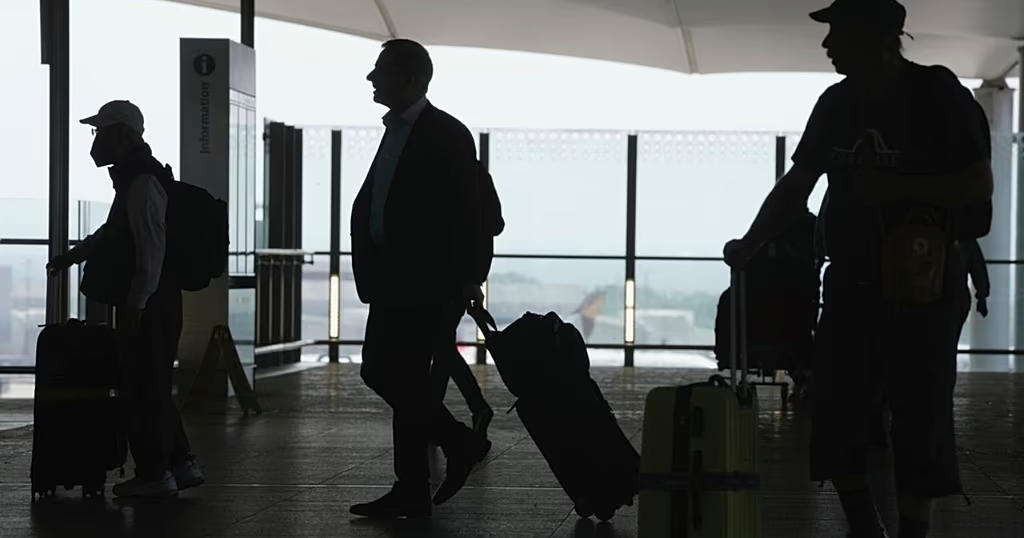
The article provides an update on the ongoing challenges faced by the U.S. travel industry following the severe impact of “Winter Storm Fern.” As of Monday morning, over 3,500 flights within, into, or out of the U.S. have been canceled, following a total of 12,585 cancellations on Sunday. While weather conditions are beginning to improve, the industry is still grappling with the aftermath of the storm. The article emphasizes the resilience and adaptability required in the travel sector during such crises, highlighting the need for robust contingency planning and efficient recovery strategies.
Key Points:
Over 3,500 flights have been canceled in the U.S. as of Monday morning due to “Winter Storm Fern.”
This follows 12,585 cancellations on Sunday, indicating a significant disruption to travel plans.
Despite improving weather conditions, the industry is still struggling to recover from the storm’s impact.
The article underscores the importance of effective contingency planning and recovery strategies in the travel sector.
Actionable Takeaways:
Implement Robust Contingency Plans: Travel companies should develop and regularly update contingency plans to swiftly respond to severe weather events. This includes real-time communication with passengers, flexible ticket policies, and alternative routing options. This takeaway is crucial as it directly addresses the immediate challenges faced by the industry and can significantly mitigate the impact of future disruptions.
Invest in Real-Time Tracking and Communication Technologies: The article highlights the use of tools like FlightAware to track cancellations and delays. Travel companies should invest in advanced tracking and communication technologies to provide passengers with real-time updates and alternative travel options. This not only improves customer satisfaction but also enhances operational efficiency by reducing the uncertainty and anxiety associated with travel disruptions.
Contextual Insights:
The article reflects the current state of the travel industry during a period of unprecedented challenges posed by severe weather events. The focus on recovery and adaptation is particularly relevant given the increasing frequency and intensity of such storms due to climate change. Thought leaders in the travel sector emphasize the need for innovation in travel tech to enhance resilience. This includes leveraging data analytics for predictive modeling of weather impacts and developing AI-driven solutions for real-time decision-making. The integration of these technologies can help travel companies anticipate and mitigate the effects of severe weather, ensuring smoother operations and higher customer satisfaction. Additionally, the article underscores the importance of customer-centric approaches, such as flexible policies and transparent communication, which are increasingly valued by travelers in the face of disruptions.
Comprehensive Summarization: The article highlights that Vietnam’s Mui Ne has been named among Booking.com’s top 10 global trending destinations for...