Article Summary:
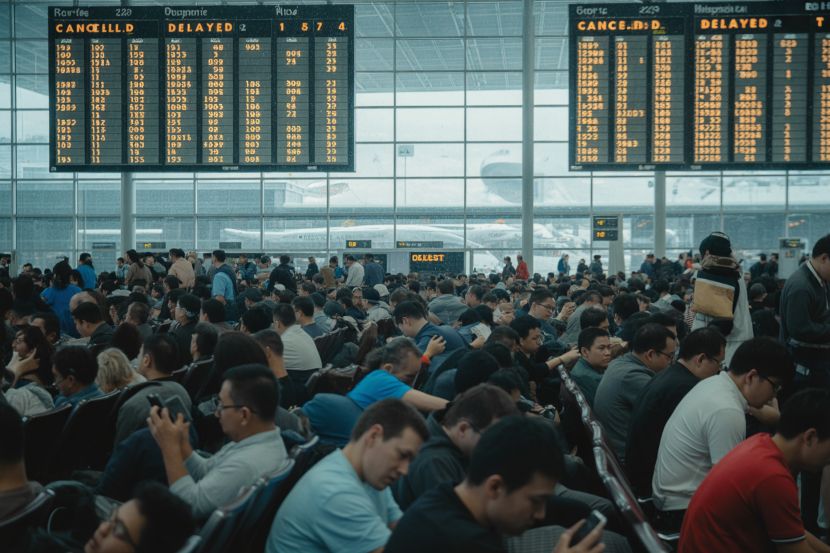
The article reports on significant disruptions in North American air travel due to severe weather conditions, leading to over 44 flight cancellations and 25 delays. Major airlines such as American Airlines, SkyWest, and WestJet have been affected, causing considerable inconvenience for passengers in cities like Toronto, San Francisco, and Calgary. The disruption highlights the vulnerability of the travel industry to weather-related challenges and underscores the need for robust contingency planning and flexible travel solutions.
Key Points:
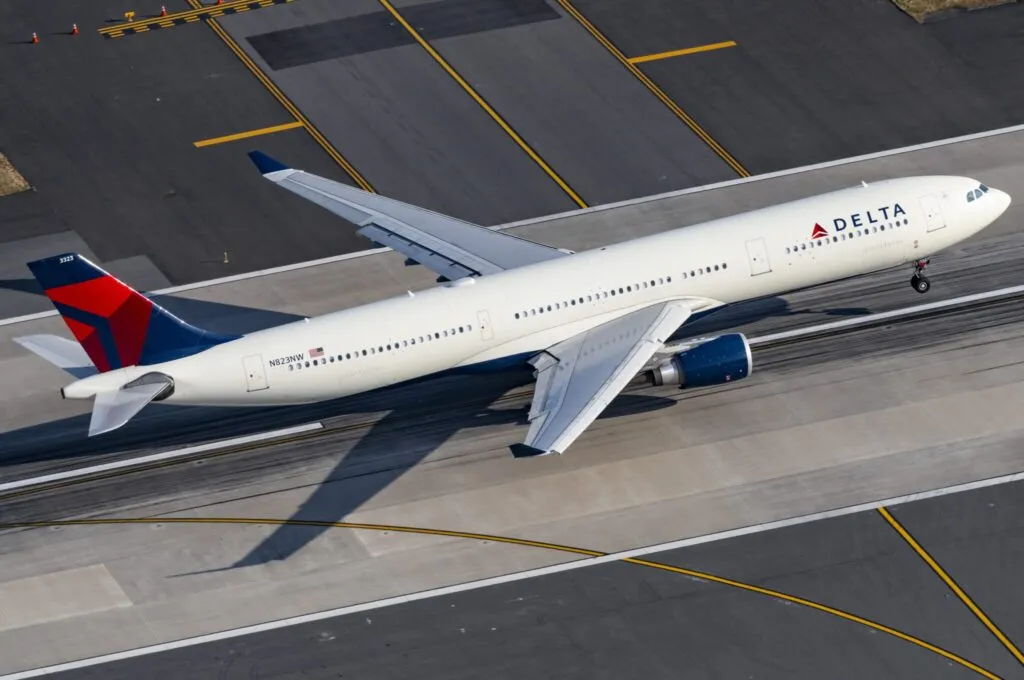
- Severe weather has caused widespread flight cancellations and delays across North America, impacting major airlines including American Airlines, SkyWest, and WestJet.
- The disruption has caused significant inconvenience for passengers, particularly in cities such as Toronto, San Francisco, and Calgary.
- The article emphasizes the importance of contingency planning and flexible travel solutions in the face of unpredictable weather conditions.
Actionable Takeaways:
-
Implement Flexible Cancellation Policies: Airlines should consider offering more flexible cancellation policies to mitigate the impact of weather-related disruptions on passengers. This can help maintain customer satisfaction and loyalty during unforeseen circumstances.
-
Invest in Weather-Resilient Infrastructure: The travel industry should invest in technologies and infrastructure that enhance resilience against severe weather. This includes real-time weather monitoring systems, adaptable flight scheduling, and enhanced ground operations to manage delays and cancellations efficiently.
-
Enhance Passenger Communication: Airlines should improve communication strategies to keep passengers informed about flight status changes in real-time. Utilizing mobile apps, SMS alerts, and social media can help manage passenger expectations and reduce anxiety during disruptions.
Contextual Insights:
The article reflects the ongoing challenges faced by the travel industry in managing weather-related disruptions. Recent trends indicate an increased focus on technological solutions to enhance operational resilience. Innovations in weather forecasting and predictive analytics are becoming crucial for airlines to preemptively manage potential disruptions. Moreover, the integration of AI and machine learning in flight scheduling and passenger management systems is gaining traction, offering more efficient ways to handle unexpected events. These advancements not only improve operational efficiency but also enhance the overall passenger experience by providing more accurate and timely information. As the industry continues to evolve, staying ahead of emerging trends and leveraging technological innovations will be key to navigating future challenges effectively.
Read the Complete Article.