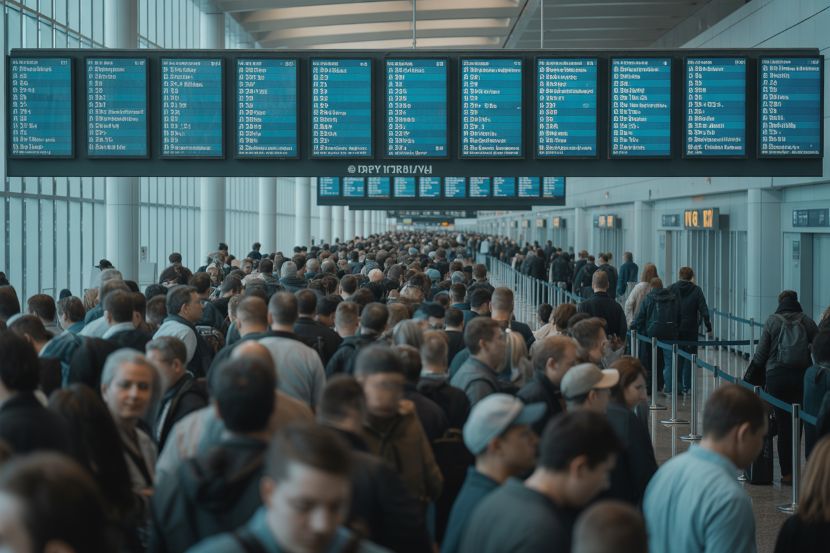
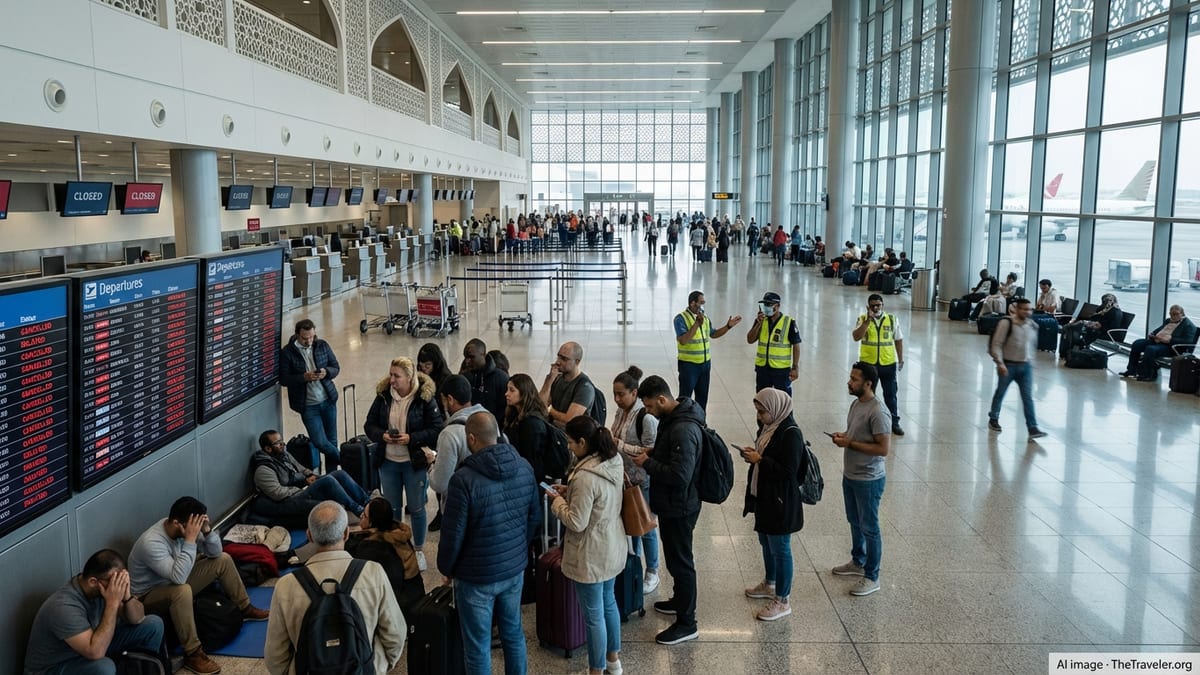
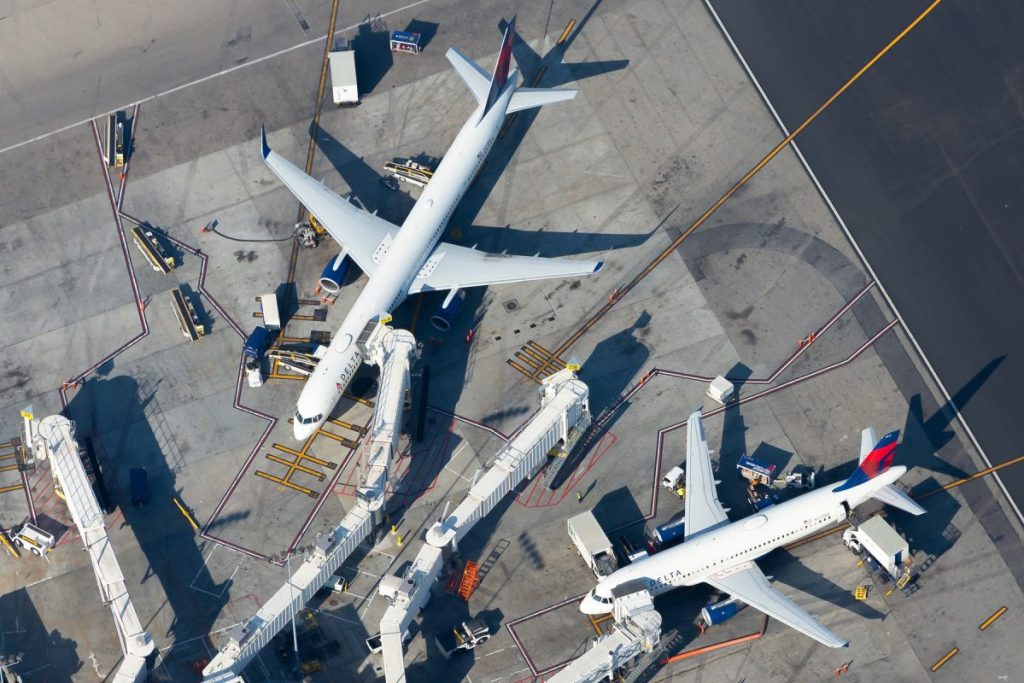
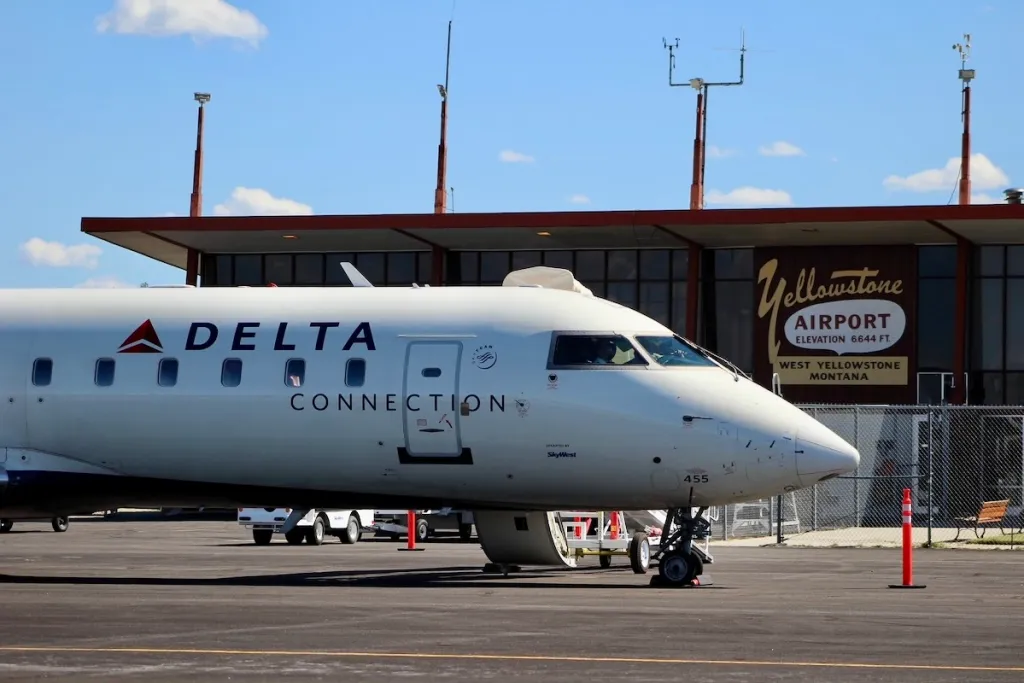
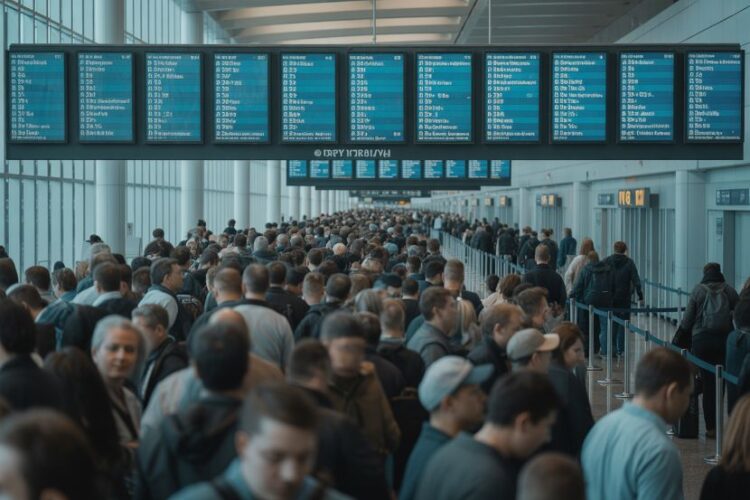
The article reports on a significant disruption in U.S. air travel on February 21, 2026, with thousands of passengers stranded across various airports due to 78 flight cancellations and 547 delays. Major airlines such as Delta, Air Canada, and American Airlines are struggling to manage the chaos. The affected states include Georgia, Florida, Texas, and others, highlighting widespread operational issues that have left many travelers frustrated and inconvenienced. The article underscores the challenges faced by airlines in handling such disruptions and the impact on both passengers and the travel industry as a whole.
Major Airlines Affected: Airlines like Delta, Air Canada, and American Airlines are among those struggling to manage the disruptions.
Geographical Impact: The disruptions are widespread, affecting states such as Georgia, Florida, Texas, and others.
Operational Challenges: Airlines are facing significant operational challenges in managing the chaos, impacting their ability to serve passengers effectively.
Actionable Takeaways:
Enhanced Communication Strategies: Airlines should improve communication with passengers during disruptions to manage expectations and reduce frustration. This could involve real-time updates through mobile apps, social media, and airport announcements, ensuring transparency and trust.
Investment in Resilient IT Systems: Airlines need to invest in robust IT systems and contingency plans to quickly recover from disruptions. This includes having backup systems for flight scheduling, passenger management, and communication channels to handle unexpected issues efficiently.
Focus on Customer Experience Recovery: Airlines should prioritize customer experience recovery by offering compensation, such as refunds, rebooking options, or travel vouchers, to affected passengers. This not only helps in retaining customer loyalty but also in mitigating negative publicity and future cancellations.
Contextual Understanding:
The article reflects the current challenges faced by the U.S. airline industry, particularly in managing large-scale disruptions that can affect thousands of passengers. The focus on major airlines like Delta, Air Canada, and American Airlines highlights the interconnected nature of the industry and the ripple effects of operational issues across different regions. The article also touches on the importance of technological advancements and communication strategies in mitigating such disruptions. Given the current trends in travel tech, there is a growing emphasis on leveraging data analytics and AI to predict and manage disruptions proactively. This article serves as a reminder of the need for continuous improvement in airline operations and customer service to maintain high standards in an increasingly competitive industry.
Handling Different Article Types:
The article is a news blurb, providing factual information about a recent disruption in U.S. air travel. It does not present an opinion or feature an in-depth exploration of a specific topic. Therefore, the analysis and takeaways are strictly based on the factual information provided, ensuring accuracy and relevance to the professional audience of travel industry professionals.