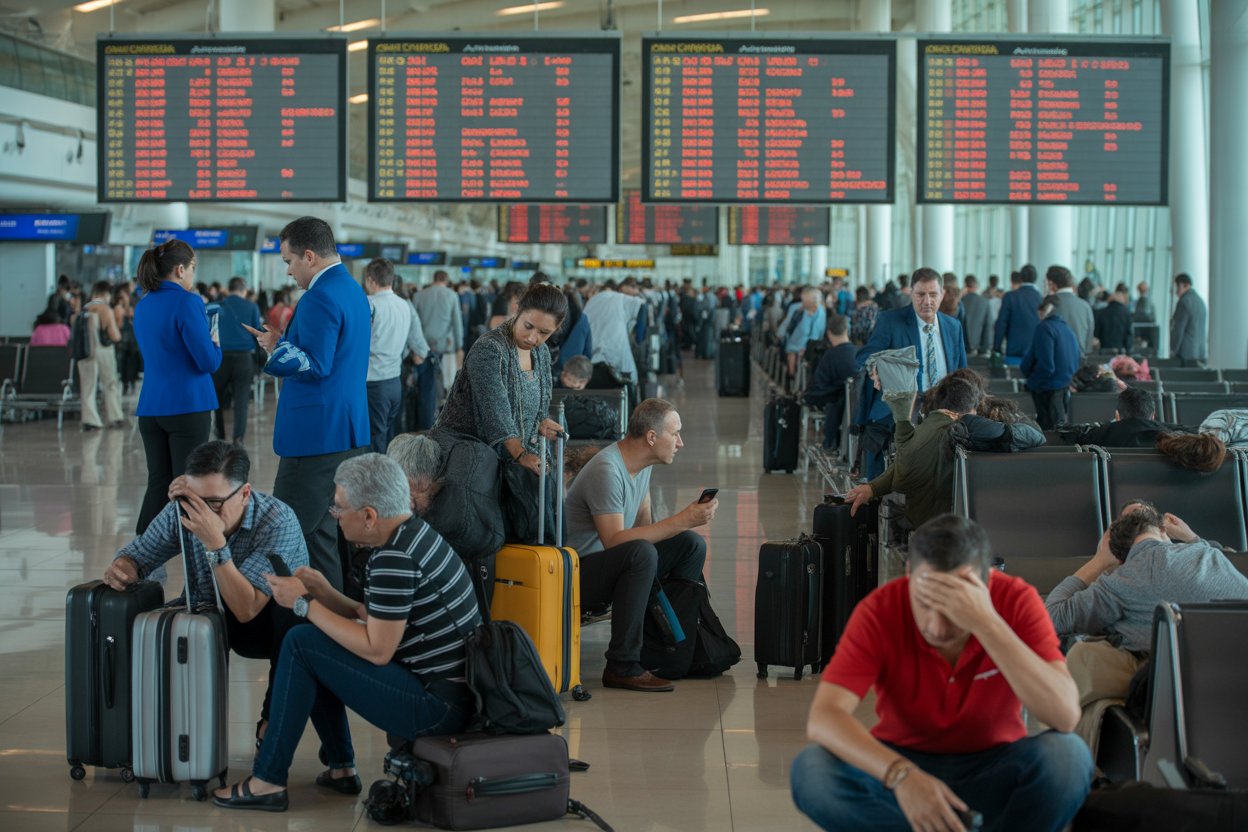
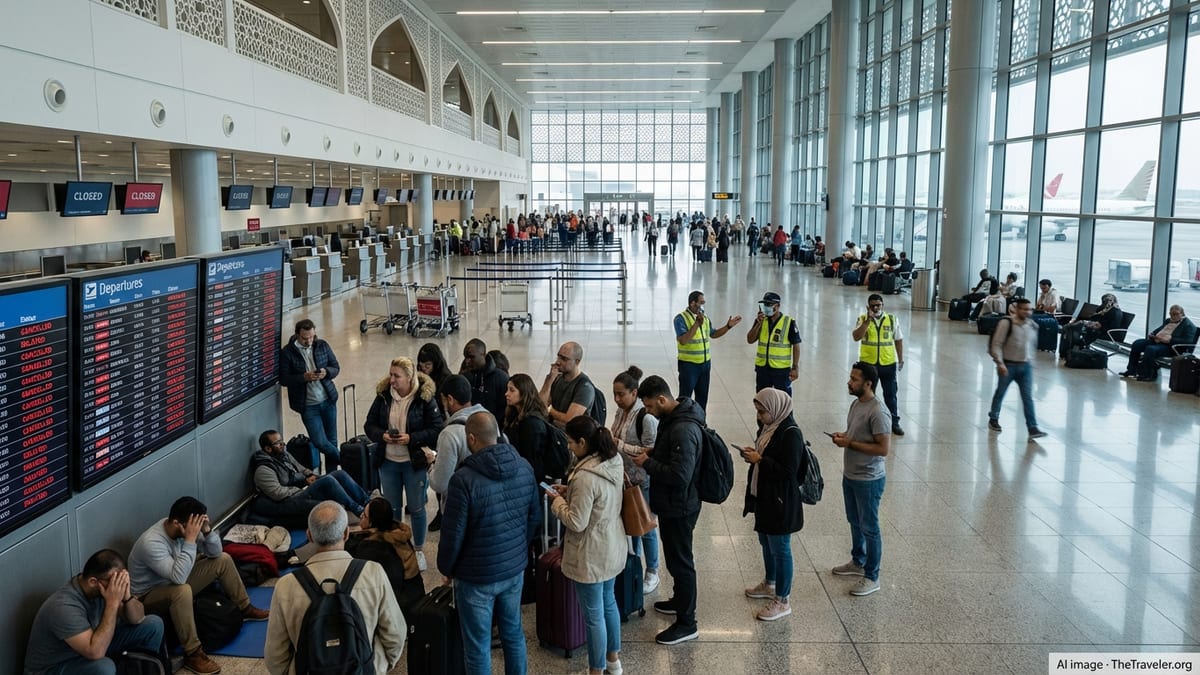
The article reports on significant travel disruptions at Cancun International Airport in Mexico, where 95 flights were delayed and 1 flight was cancelled, affecting thousands of passengers across various destinations including Cancun, Mexico City, Monterrey, Guadalajara, and Tijuana. The disruption primarily impacts major airlines such as American Airlines, United, and Aeromexico. The article highlights the ripple effect this has on the region’s transportation network, emphasizing the challenges faced by travelers and the operational strain on the airport. The disruption underscores the vulnerabilities in the travel logistics, particularly in handling large-scale flight delays and cancellations, and its broader implications for the travel industry.
Key Points:
95 Flights Delayed and 1 Cancelled: The article reports that 95 flights were delayed and 1 flight was cancelled at Cancun International Airport, causing significant disruption for travelers.
Impact on Major Airlines: The disruption affects major airlines including American Airlines, United, and Aeromexico, highlighting the widespread impact on the travel sector.
Regional Transportation Network Disruption: The delay and cancellation of flights have created a ripple effect throughout the region’s transportation network, impacting not just air travel but potentially other modes of transport as well.
Affected Destinations: The disruption spans multiple destinations including Cancun, Mexico City, Monterrey, Guadalajara, and Tijuana, indicating a broad impact on travel within the region.
Operational Challenges: The article emphasizes the operational challenges faced by the airport and airlines in managing such a large-scale disruption, highlighting potential inefficiencies in travel logistics.
Actionable Takeaways:
Enhanced Communication Protocols: Airlines and airports should implement enhanced communication protocols to promptly inform passengers about delays and cancellations. This can help manage passenger expectations and reduce the stress associated with travel disruptions.
Investment in Technology for Real-Time Tracking: There is a need for investment in advanced technology solutions that enable real-time tracking of flights and passenger information. This can improve operational efficiency and passenger experience during disruptions.
Strengthening Airport Infrastructure: The article underscores the importance of strengthening airport infrastructure to handle large-scale disruptions. This includes improving runway capacity, baggage handling systems, and customer service capabilities to mitigate the impact of flight delays and cancellations.
Contextual Insights:
The disruption at Cancun International Airport is indicative of broader challenges faced by the travel industry in managing large-scale operational issues. Recent trends indicate an increased reliance on technology to enhance operational efficiency and passenger experience. Innovations in travel tech, such as AI-driven flight tracking systems and automated customer service solutions, are becoming increasingly vital. The article also reflects the growing importance of fintech solutions in managing travel disruptions, particularly in terms of refunds, rebooking, and passenger compensation. As the travel industry continues to evolve, the ability to swiftly adapt to and recover from disruptions will be crucial for maintaining passenger trust and operational resilience.