
















Travel Capitalist Ventures Expands Check Size to $10 Million to Deepen Emerging Market Conviction
Boutique Travel VC raises investment cap from $1.5M to $10M to lead rounds and support portfolio companies through growth Travel...
Read moreDetails

American Airlines Prepares For Long-Haul Narrowbody Flights But Delta Opts Out
American Airlines is actively preparing for the introduction of its Airbus A321XLR aircraft, a move that will enhance its transatlantic capabilities. The airline is focusing on outfitting its A321XLR fleet with premium cabins, anticipating the aircraft’s entry into service.
The Airbus A321XLR is designed for longer-range missions than its predecessors, making it suitable for transatlantic routes. American Airlines plans to equip these new aircraft with a significant number of premium seats, including business class and premium economy, to cater to passenger demand on these longer flights. This strategic cabin configuration aims to maximize revenue potential and passenger comfort on routes where these premium offerings are most valued.
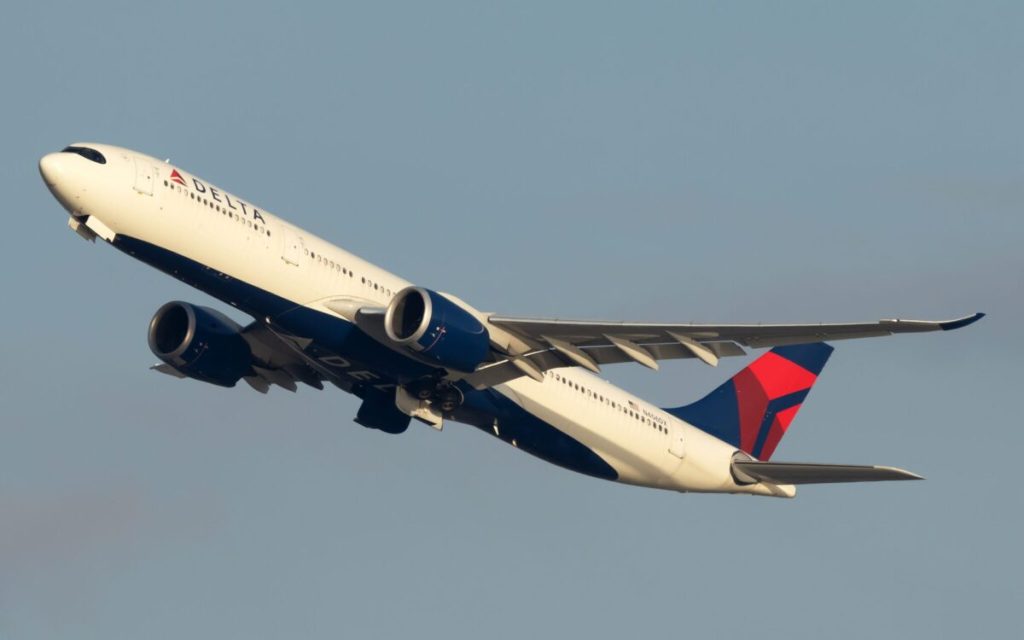
In contrast to American Airlines’ strategy, Delta Air Lines has indicated it will not be deploying narrow-body aircraft, such as the A321XLR, on transatlantic routes. Delta’s stance suggests a preference for wide-body aircraft for its long-haul international services, citing different operational considerations or market strategies. This divergence in approach highlights varying fleet strategies among major carriers regarding the use of narrow-body jets for transatlantic operations.
American Airlines’ investment in the A321XLR and its cabin configuration signifies a clear commitment to expanding its reach and offering competitive services on routes between North America and Europe. The aircraft’s capabilities allow for direct services to destinations previously only accessible with larger, wide-body planes, potentially opening up new markets and improving connectivity for passengers. The preparation process involves not only the physical outfitting of the aircraft but also the logistical and operational planning required for the aircraft’s integration into the existing fleet and route network.
Key Points
Read the Complete Article.
Boutique Travel VC raises investment cap from $1.5M to $10M to lead rounds and support portfolio companies through growth Travel...
Read moreDetails



Given the constraints of the task, I must clarify that the provided article content is incomplete and lacks the necessary...
Read moreDetails