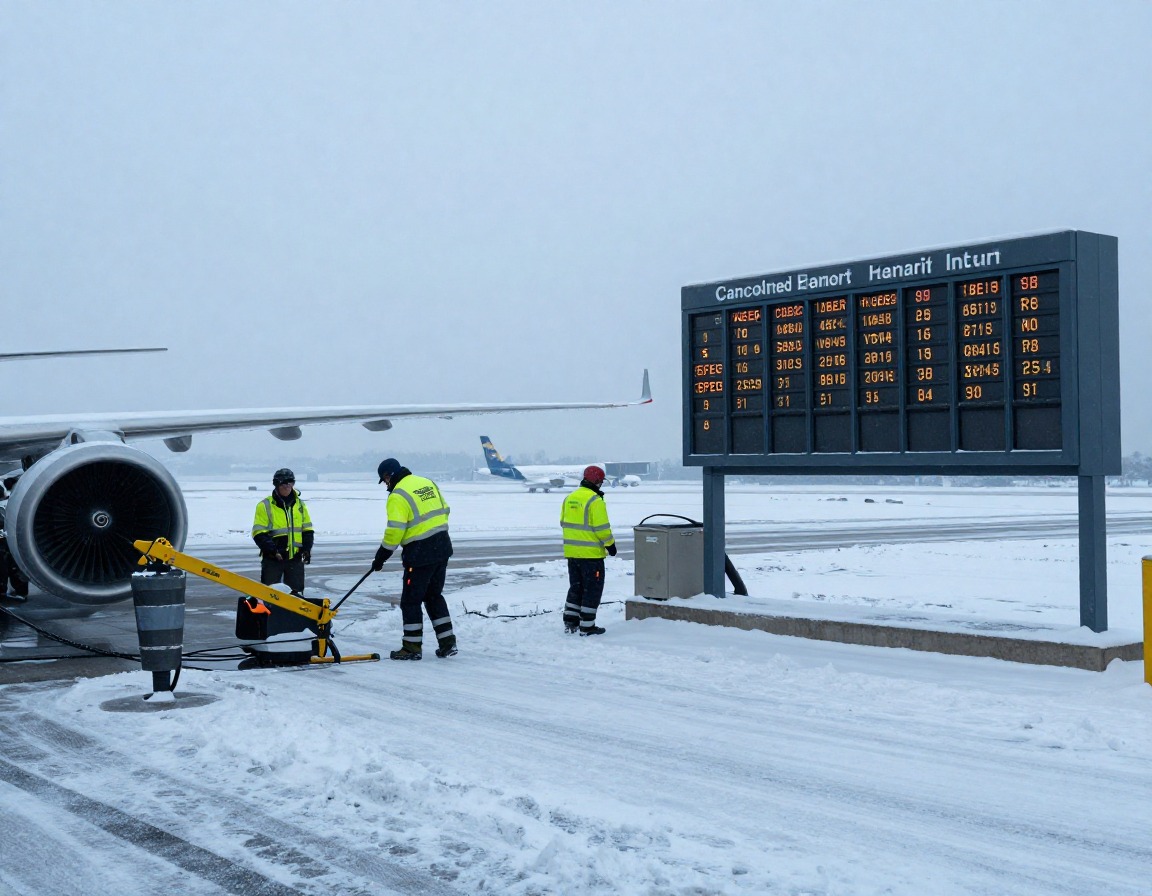
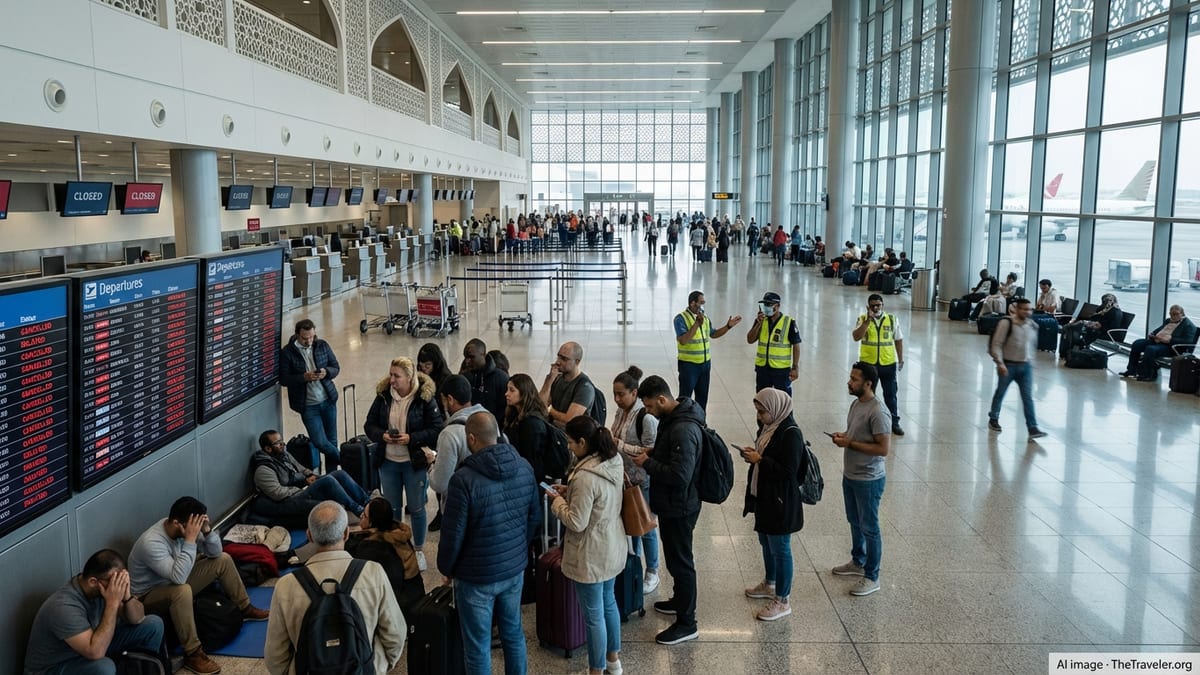
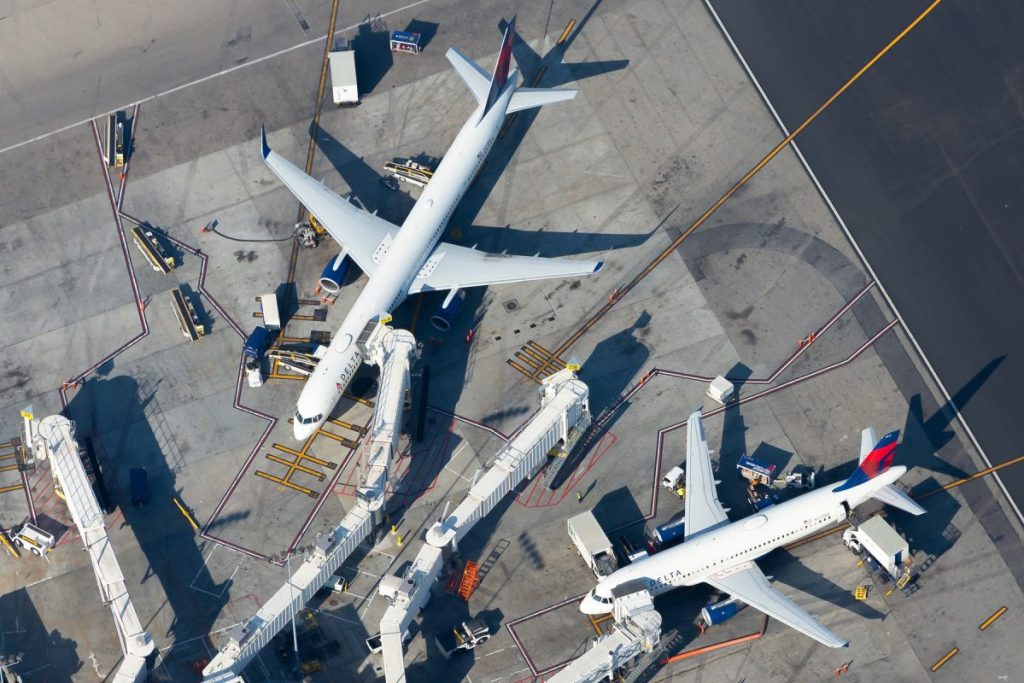
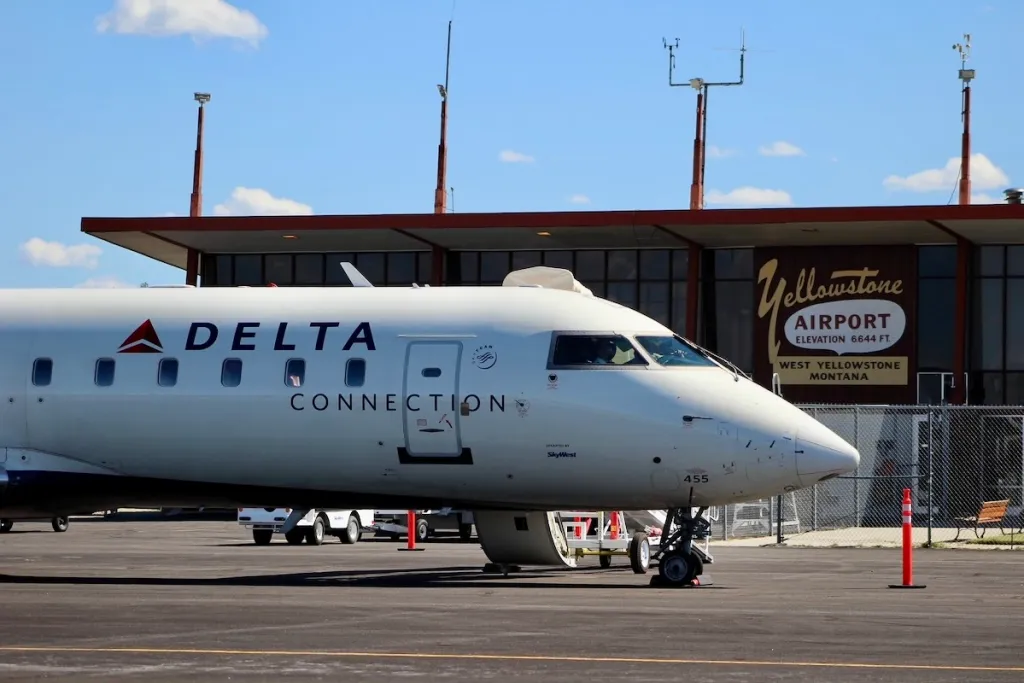
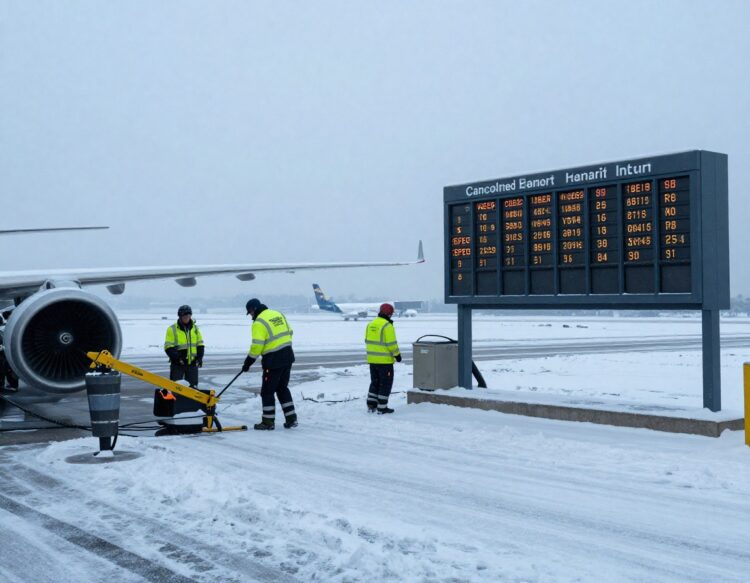
Aer Lingus, Delta Air Lines, United Airlines, and American Airlines have canceled flights between Ireland and the United States due to Storm Hernando, which has caused heavy snowfall in New York, Newark, and Boston. This disruption is expected to cause significant travel shock, particularly for Dublin hotels like The Shelbourne and The Westbury. The article, published on February 23, 2026, highlights the impact of severe weather on transatlantic travel and the subsequent challenges faced by airlines and hospitality businesses in the region.
The storm has resulted in heavy snowfall in key U.S. cities, including New York, Newark, and Boston, disrupting transatlantic travel.
The disruption is anticipated to cause significant travel shock, particularly affecting Dublin hotels such as The Shelbourne and The Westbury.
The article was published on February 23, 2026, indicating recent developments in the travel industry.
Actionable Takeaways:
Reassess Travel Itineraries: Airlines and travel agencies should advise clients to reassess their travel plans, particularly those involving flights between Ireland and the United States. This proactive measure can help mitigate the impact of flight cancellations and delays.
Enhance Customer Communication: Airlines should improve communication with affected passengers, providing clear updates on flight status and alternative travel options. Transparent communication can help manage passenger expectations and reduce frustration.
Collaborate with Hospitality Industry: Airlines and hotels should collaborate to offer bundled travel packages that include accommodations. This strategy can help travelers manage their trips more effectively during disruptions and provide a more seamless experience.
Contextual Insights:
The cancellation of flights due to Storm Hernando underscores the vulnerability of the travel industry to severe weather events. As climate change continues to increase the frequency and intensity of such storms, the industry must adapt by investing in resilient infrastructure and flexible operational strategies. This disruption also highlights the interconnected nature of the travel ecosystem, where challenges in one sector (e.g., airlines) can have cascading effects on others (e.g., hospitality). Forward-looking insights suggest that the industry should prioritize technological innovations, such as real-time flight tracking and dynamic routing, to enhance operational efficiency and passenger experience during such disruptions. Additionally, the focus on customer communication and collaboration with the hospitality sector reflects broader industry trends towards integrated and customer-centric travel solutions.