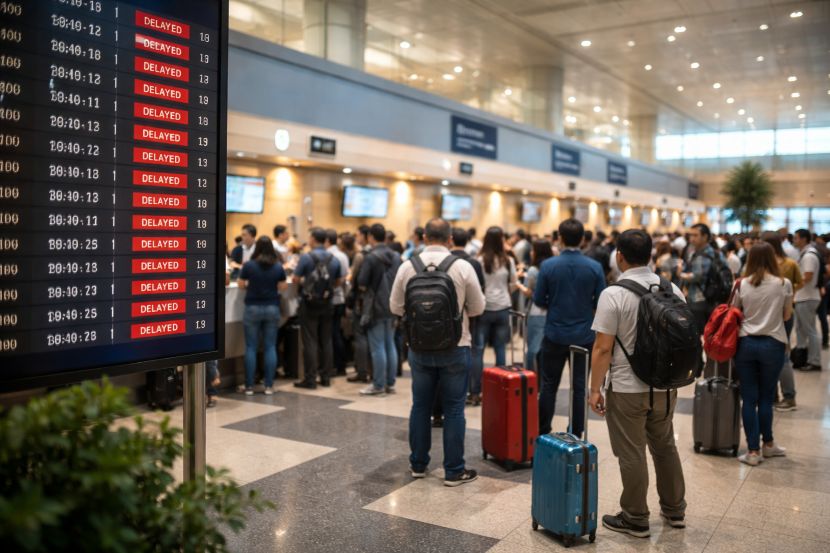
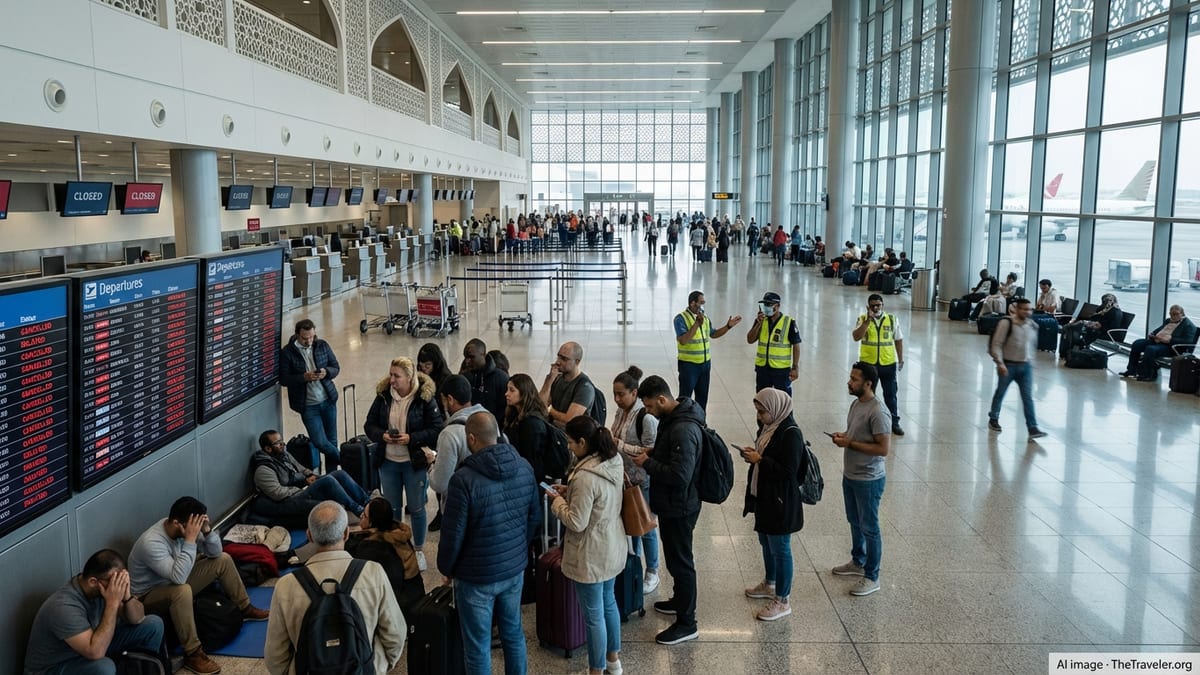
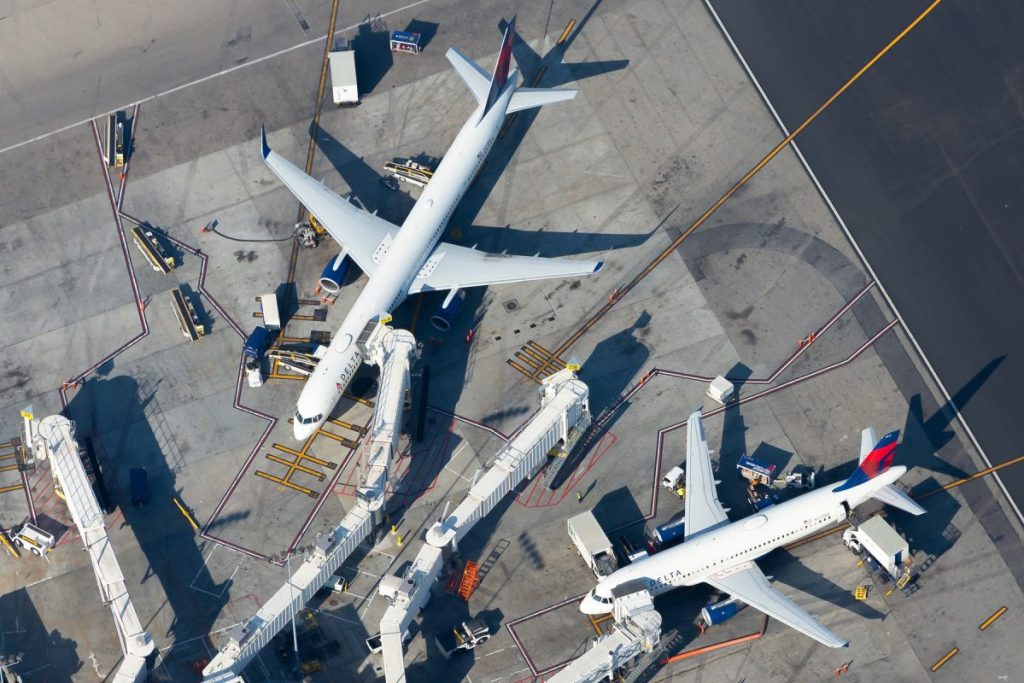
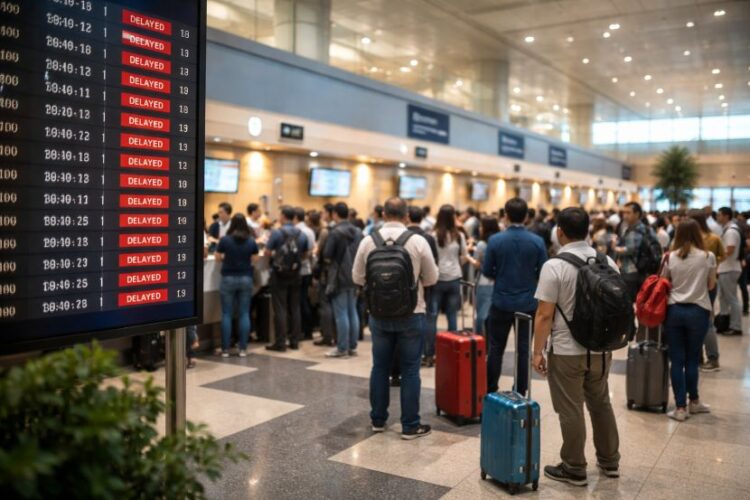
The article reports on significant travel disruptions affecting Aeromexico, American Airlines, and United Airlines on February 20, 2026, at Mexico City’s Aeropuerto Internacional Lic. Benito Juarez (MEX). The disruptions included 38 flight delays and 1 cancellation, impacting flights to Cancun, Guadalajara, and New York. This operational issue highlights ongoing pressures at one of Latin America’s busiest airports, as noted by the AICM website, which aggregates flight data. The summary underscores the operational challenges faced by major airlines at a key travel hub, reflecting broader trends of logistical challenges in the travel industry.
Key Points:
Flight Disruptions: Aeromexico, American Airlines, and United Airlines experienced 38 delays and 1 cancellation on February 20, 2026, at Mexico City’s airport, affecting routes to Cancun, Guadalajara, and New York.
Operational Pressures: The disruptions underscore ongoing operational pressures at one of Latin America’s busiest airports, as indicated by the AICM website.
Impact on Travel: The delays and cancellations have a direct impact on travelers planning trips to Mexico, affecting travel plans and potentially leading to increased demand for alternative travel solutions.
Actionable Takeaways:
Enhanced Operational Planning: Airlines should invest in advanced operational planning and real-time tracking systems to mitigate delays and cancellations. This could involve predictive analytics to anticipate and manage operational pressures at major hubs like Mexico City’s airport.
Flexible Travel Solutions: Travel agencies and service providers should develop flexible travel packages that include options for rebooking or refunds in case of disruptions. This proactive approach can enhance customer satisfaction and loyalty during turbulent travel periods.
Investment in Airport Infrastructure: There is a need for continuous investment in airport infrastructure and technology to handle high passenger volumes efficiently. Upgrades in baggage handling, check-in processes, and communication systems can reduce the likelihood of disruptions.
Contextual Insights:
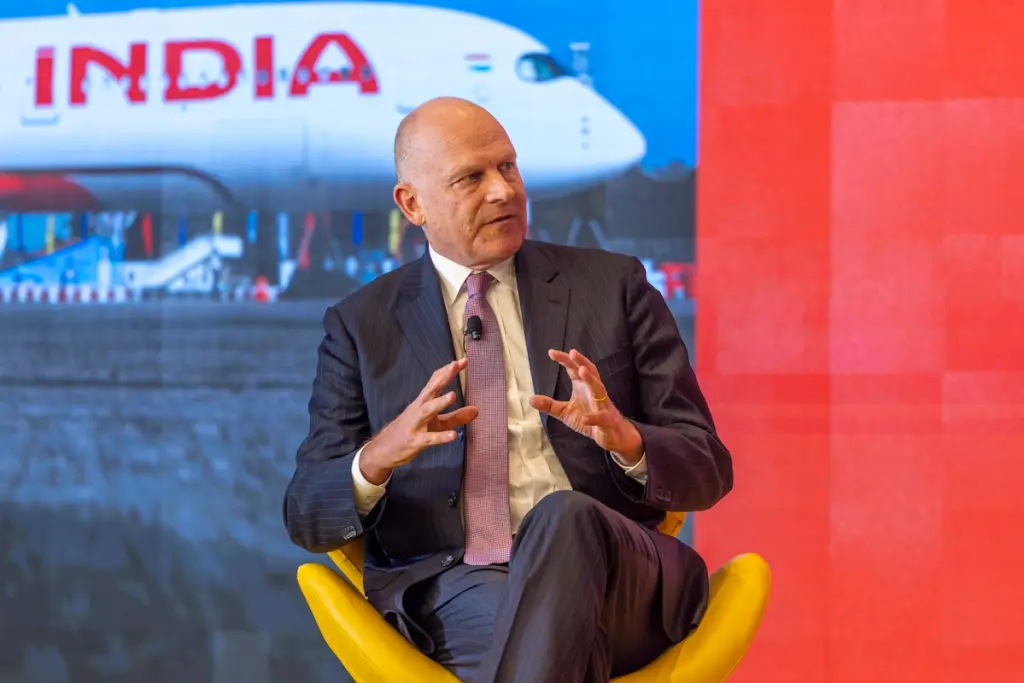
The disruptions at Mexico City’s airport reflect broader challenges faced by the travel industry in managing large volumes of passengers efficiently. Recent trends indicate a growing reliance on technology to enhance operational efficiency and customer experience. Innovations in travel tech, such as AI-driven scheduling and real-time communication tools, are becoming essential for airlines to maintain service reliability. Furthermore, the article aligns with the current emphasis on resilience and adaptability in travel operations, as highlighted by thought leaders in the industry. As travel continues to recover post-pandemic, the ability to swiftly adapt to operational challenges will be crucial for maintaining passenger trust and satisfaction.