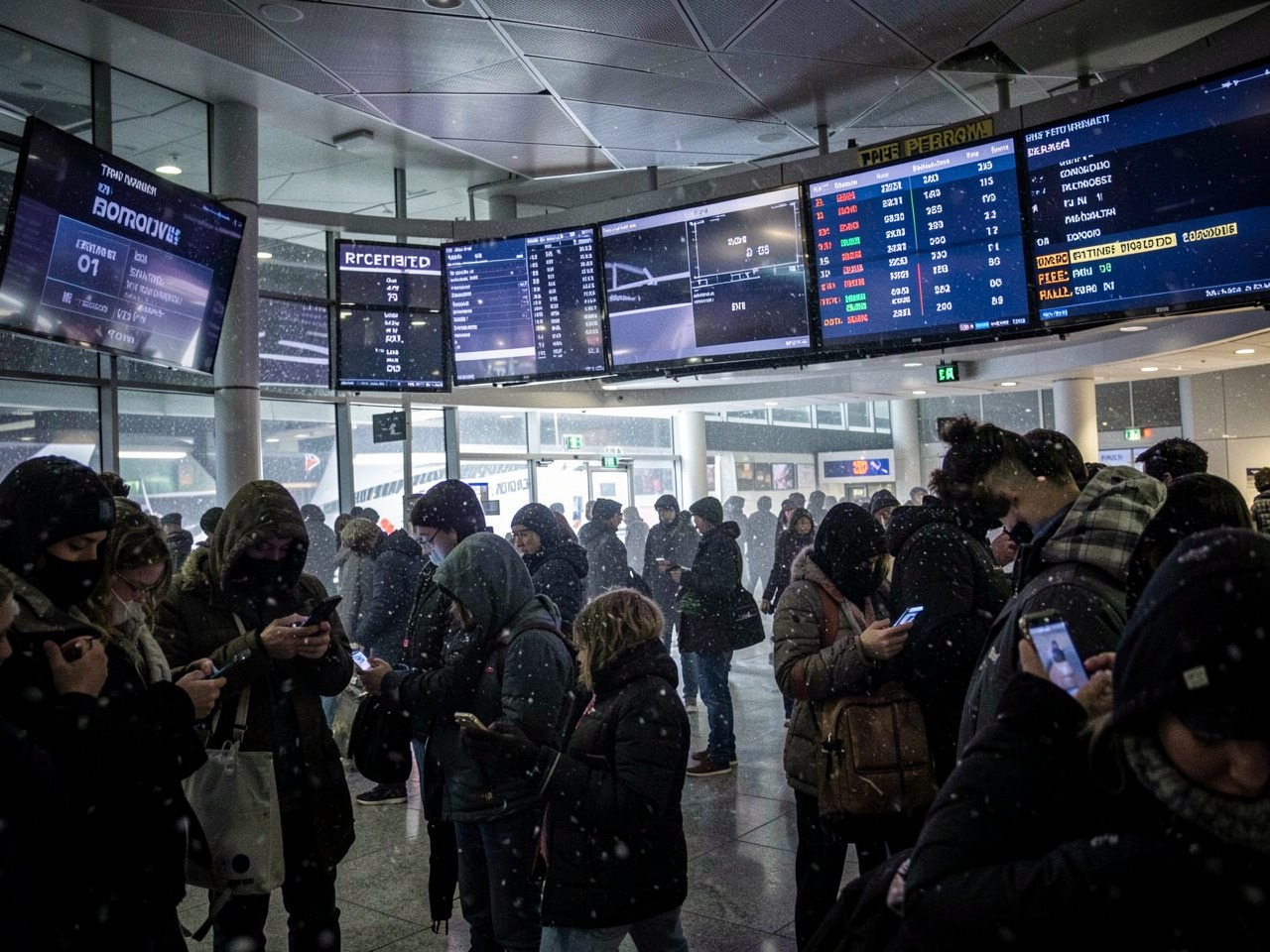
The article reports on significant disruptions caused by a snowstorm at Toronto Pearson International Airport on February 8, 2026, affecting major airlines including Air Canada, WestJet, Delta, British Airways, American Airlines, and Air China. The chaos resulted in thousands of travelers being stranded due to heavy snowfall, technical glitches, and staffing shortages. The article highlights the severe impact on air travel operations during the storm, emphasizing the vulnerabilities in the aviation industry’s response to extreme weather conditions.
Key Points:
A severe snowstorm at Toronto Pearson International Airport on February 8, 2026, led to widespread disruptions for major airlines such as Air Canada, WestJet, Delta, British Airways, American Airlines, and Air China.
The storm caused heavy snowfall, technical glitches, and staffing shortages, resulting in thousands of travelers being stranded.
The incident underscores the vulnerabilities in the aviation industry’s operational readiness for extreme weather events.
Actionable Takeaways:
Enhanced Weather Preparedness: Airlines and airports must invest in advanced weather forecasting and operational planning to mitigate the impact of severe weather events. This includes having contingency plans for staffing and technical issues to minimize disruptions.
Investment in Resilient Infrastructure: There is a need for airports to upgrade their infrastructure to handle extreme weather conditions more effectively. This could involve investing in heating systems, snow removal equipment, and backup power supplies to ensure operations continue smoothly during adverse weather.
Focus on Customer Communication: Effective communication with stranded travelers is crucial. Airlines should develop robust communication strategies to keep passengers informed about their status, provide updates on rebooking options, and offer support services to minimize inconvenience.
Contextual Insights:
The article reflects the ongoing challenges faced by the travel industry in managing extreme weather events, which are becoming more frequent due to climate change. The disruptions caused by the snowstorm at Toronto Pearson highlight the need for the industry to adopt more resilient and adaptive strategies. This includes leveraging technology for better operational efficiency and customer communication. As the travel industry continues to evolve, innovations in travel tech, such as AI-driven predictive analytics for weather impacts and enhanced customer service platforms, will be critical in enhancing resilience and maintaining customer trust. The incident also underscores the importance of collaboration between airlines, airports, and regulatory bodies to develop standardized protocols for handling such emergencies.