
















Travel Capitalist Ventures Expands Check Size to $10 Million to Deepen Emerging Market Conviction
Boutique Travel VC raises investment cap from $1.5M to $10M to lead rounds and support portfolio companies through growth Travel...
Read moreDetails
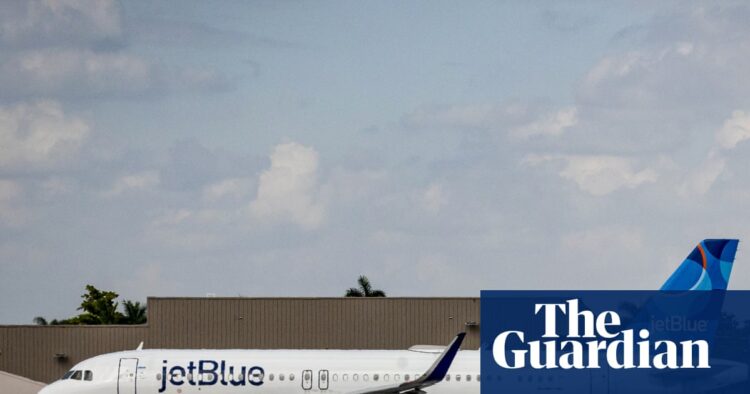
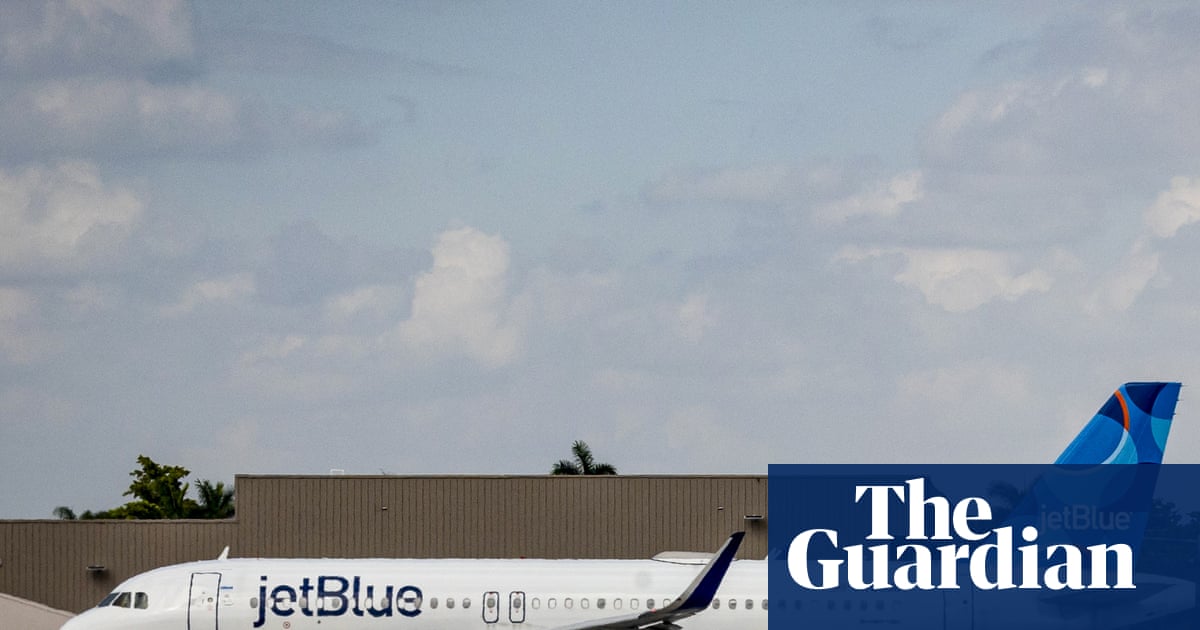
A JetBlue Airbus A320 at Fort Lauderdale, Florida. Airbus said a recent incident involving an A320-family aircraft had revealed that intense solar radiation may corrupt data critical to the functioning of flight controls. Photograph: Eva Marie/Bloomberg via Getty Images
Article Summary:
Airlines worldwide canceled and delayed flights heading into the weekend following Airbus’s announcement of an immediate repair recall for 6,000 of its A320 family jets. The European Union Aviation Safety Agency (EASA) issued this precautionary action, with the fix primarily involving reverting to earlier software. This development highlights ongoing challenges in the travel industry, particularly concerning aircraft maintenance and safety protocols.
Key Points:
Actionable Takeaways:
Contextual Insights:
The Airbus recall and subsequent flight cancellations reflect broader trends in the travel industry, where technological advancements and safety regulations play pivotal roles. The incident underscores the increasing reliance on software in modern aviation, making software reliability a critical factor in flight safety. As the industry continues to evolve, thought leaders emphasize the importance of integrating cutting-edge technologies with stringent safety standards. This case serves as a reminder for the travel sector to remain vigilant and adaptable, leveraging innovations to enhance operational resilience and passenger trust.
Read the Complete Article.
Boutique Travel VC raises investment cap from $1.5M to $10M to lead rounds and support portfolio companies through growth Travel...
Read moreDetails



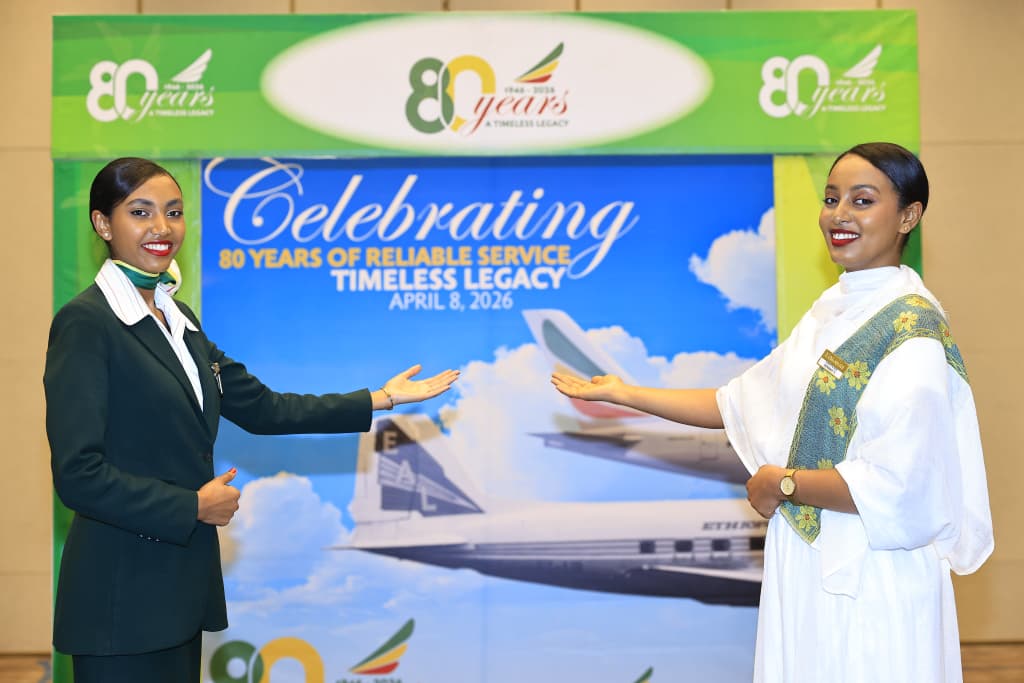
Comprehensive Summarization: Ethiopian Airlines celebrated its 80th year of service on April 8, 2026, marking a significant milestone in the...
Read moreDetails