Article Summary:
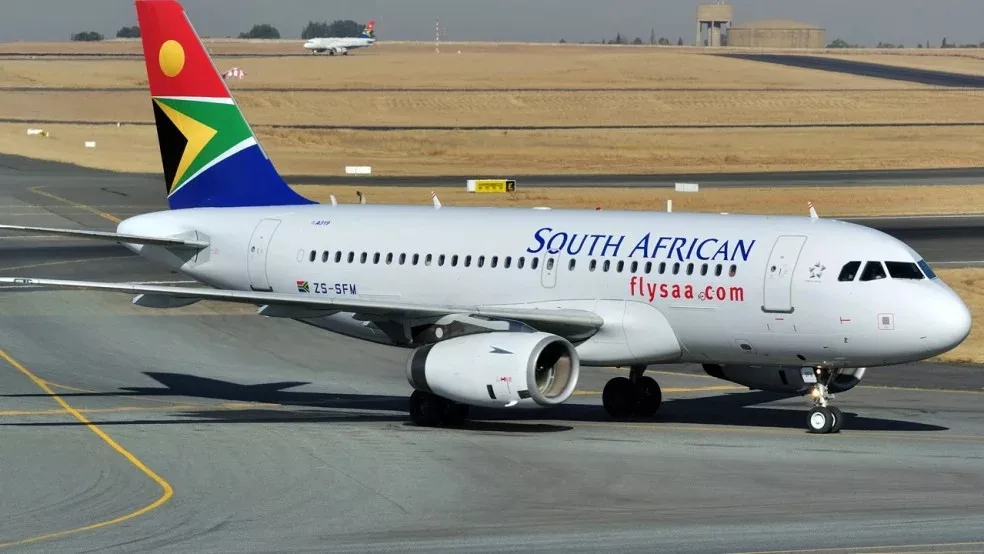
On November 29, a significant disruption occurred in global air travel due to an Airbus A320 software glitch linked to solar flares. This incident led to the grounding of numerous flights, affecting thousands of passengers worldwide. Major airlines such as Jetstar and American Airlines are actively working to resolve this issue and minimize further disruptions.
Key Points:
- The Airbus A320 recall was triggered by a software glitch caused by solar flares, leading to flight cancellations and delays.
- Airlines like Jetstar and American Airlines are implementing fixes to manage the disruption and restore normal operations.
- The incident highlights the vulnerability of aircraft systems to external factors like solar flares, emphasizing the need for robust cybersecurity measures in aviation technology.
Actionable Takeaways:
- Enhanced Cybersecurity Measures in Aviation Technology: The Airbus A320 recall underscores the critical need for airlines to invest in advanced cybersecurity protocols to protect against external threats such as solar flares. This is crucial for maintaining operational continuity and ensuring passenger safety. Airlines should collaborate with tech firms specializing in aerospace cybersecurity to develop resilient systems that can withstand such disruptions.
- Proactive Communication with Passengers: Airlines must improve their communication strategies during technical disruptions. Clear, timely updates to passengers regarding flight status changes can help manage expectations and reduce anxiety. Implementing automated notification systems that provide real-time updates can enhance passenger experience and trust in the airline’s operational resilience.
- Investment in Resilient Aircraft Systems: The incident calls for airlines to prioritize the development and adoption of more resilient aircraft systems. This includes not only software updates but also hardware improvements that can better withstand environmental anomalies. Airlines should consider partnerships with aerospace manufacturers to integrate cutting-edge technologies that enhance system reliability and reduce the risk of similar disruptions in the future.
Contextual Insights:
The Airbus A320 recall is a stark reminder of the interconnectedness of global supply chains and the vulnerability of critical infrastructure to external factors like solar flares. This event is particularly relevant in the current context of increasing reliance on technology in the travel industry. As airlines increasingly depend on software-driven systems for flight management and navigation, the potential for disruptions due to cyber or environmental factors is on the rise. This trend aligns with broader industry shifts towards digitalization and automation, which, while offering efficiency gains, also necessitate robust risk management strategies.
Moreover, the incident highlights the growing importance of fintech innovations in the travel sector. As airlines navigate operational disruptions, there is an opportunity for fintech solutions to provide financial support and streamline recovery processes. For instance, fintech platforms could offer quick access to travel insurance claims or facilitate compensation for affected passengers, thereby mitigating financial losses and enhancing customer satisfaction. This integration of fintech with traditional travel services could set new standards for resilience and customer-centricity in the industry.
In conclusion, the Airbus A320 recall serves as a critical learning opportunity for the travel industry. By focusing on cybersecurity, proactive communication, and resilient system investments, airlines can better prepare for and mitigate the impacts of future disruptions. Additionally, embracing fintech innovations can further enhance operational resilience and customer experience in an increasingly complex travel landscape.
Read the Complete Article.