Article Summary:
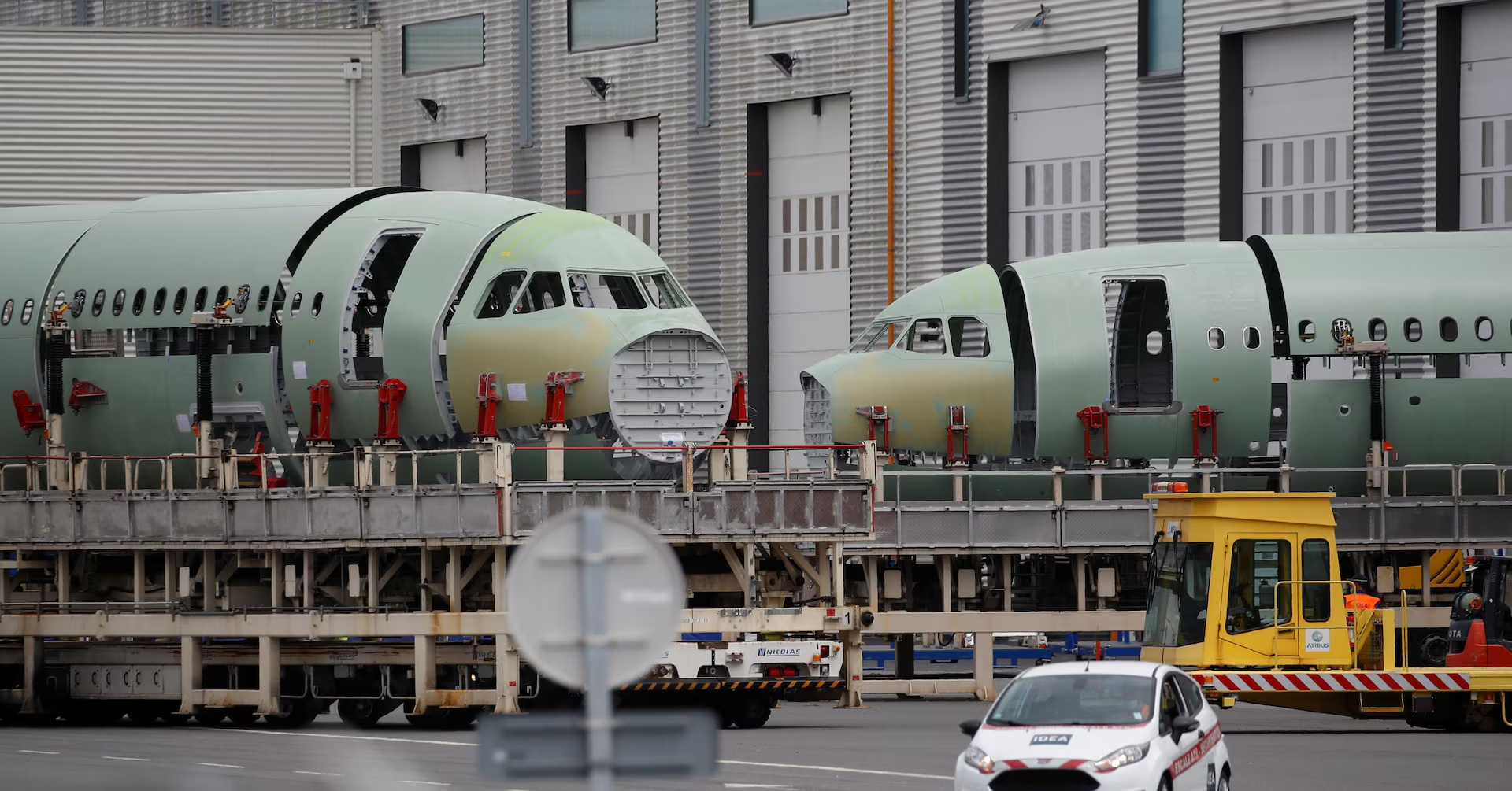
Airbus has announced an immediate recall of repairs for 6,000 of its A320 family jets due to a flight-control software issue linked to solar flares. This sweeping recall affects more than half of the global fleet of these widely used aircraft, potentially disrupting travel during the busiest travel weekend of the year. Airbus stated that some of these jets may also require hardware changes, according to sources.
Key Points:
- Airbus is ordering immediate repairs for 6,000 A320 jets due to a flight-control software issue caused by solar flares.
- The recall impacts more than half of the global fleet of A320 jets, which are widely used in the aviation industry.
- Some of the affected jets may require hardware changes, as reported by sources.
- The incident is expected to cause disruptions during the busiest travel weekend of the year.
Actionable Takeaways:
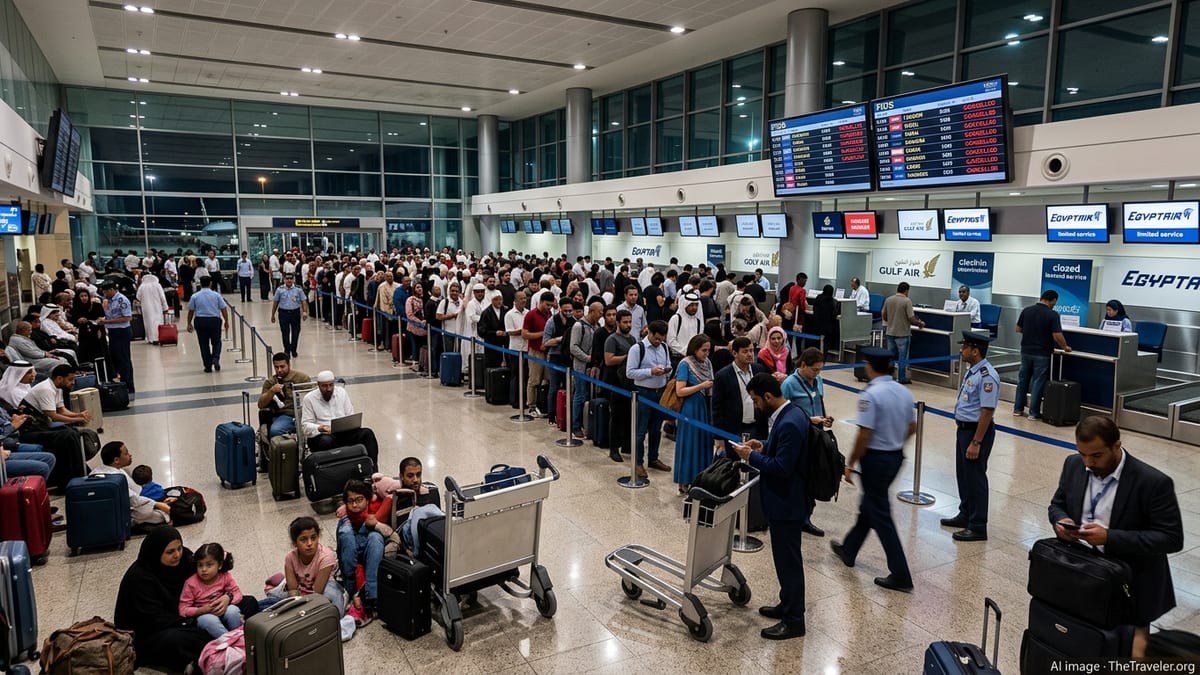
- Operational Impact: Airlines operating A320 jets should prepare for potential delays and disruptions during the upcoming travel weekend. This may involve reallocating resources, adjusting flight schedules, and communicating with passengers about potential delays.
- Maintenance Planning: Airlines should review their maintenance schedules and allocate resources for the immediate repairs of 6,000 A320 jets. This could involve prioritizing repairs, coordinating with Airbus for parts and support, and ensuring that maintenance crews are adequately trained for the specific repairs required.
- Risk Management: Airlines should assess the risk associated with flying repaired jets post-repair. This may involve implementing additional safety checks or monitoring systems to ensure the flight controls are functioning correctly after the repairs.
- Industry Collaboration: The aviation industry should consider collaborating with Airbus and other stakeholders to develop long-term solutions for mitigating the impact of solar flare-induced flight control issues. This could include investing in more robust flight control software, developing predictive maintenance technologies, or enhancing safety protocols for similar incidents in the future.
Contextual Insights:
The recall of A320 jets due to a flight-control software issue linked to solar flares highlights the vulnerability of modern aviation technology to external factors such as space weather. Solar flares can interfere with satellite communications and onboard systems, leading to potential safety risks. This incident underscores the need for continuous monitoring of space weather conditions and the development of resilient technologies that can withstand such disruptions.
In the broader context of the travel industry, this event serves as a reminder of the interconnectedness of technology and travel. As airlines increasingly rely on advanced avionics and software systems, the potential for disruptions due to technological failures becomes more pronounced. This situation also emphasizes the importance of robust maintenance practices and the need for airlines to have contingency plans in place for such emergencies.
Moreover, the incident could prompt airlines and aviation authorities to reassess their risk management strategies, particularly in relation to solar flares and other space weather phenomena. It may lead to increased investment in research and development of technologies that can better withstand such environmental challenges, ultimately contributing to the resilience and reliability of the global air travel system.
Handling Different Article Types:
The article in question is a news blurb, providing factual information about a recent event in the aviation industry. The analysis above adheres strictly to the facts and context provided, focusing on the main developments, key points, and actionable insights relevant to the professional audience of travel industry professionals.
Read the Complete Article.