Article Summary:
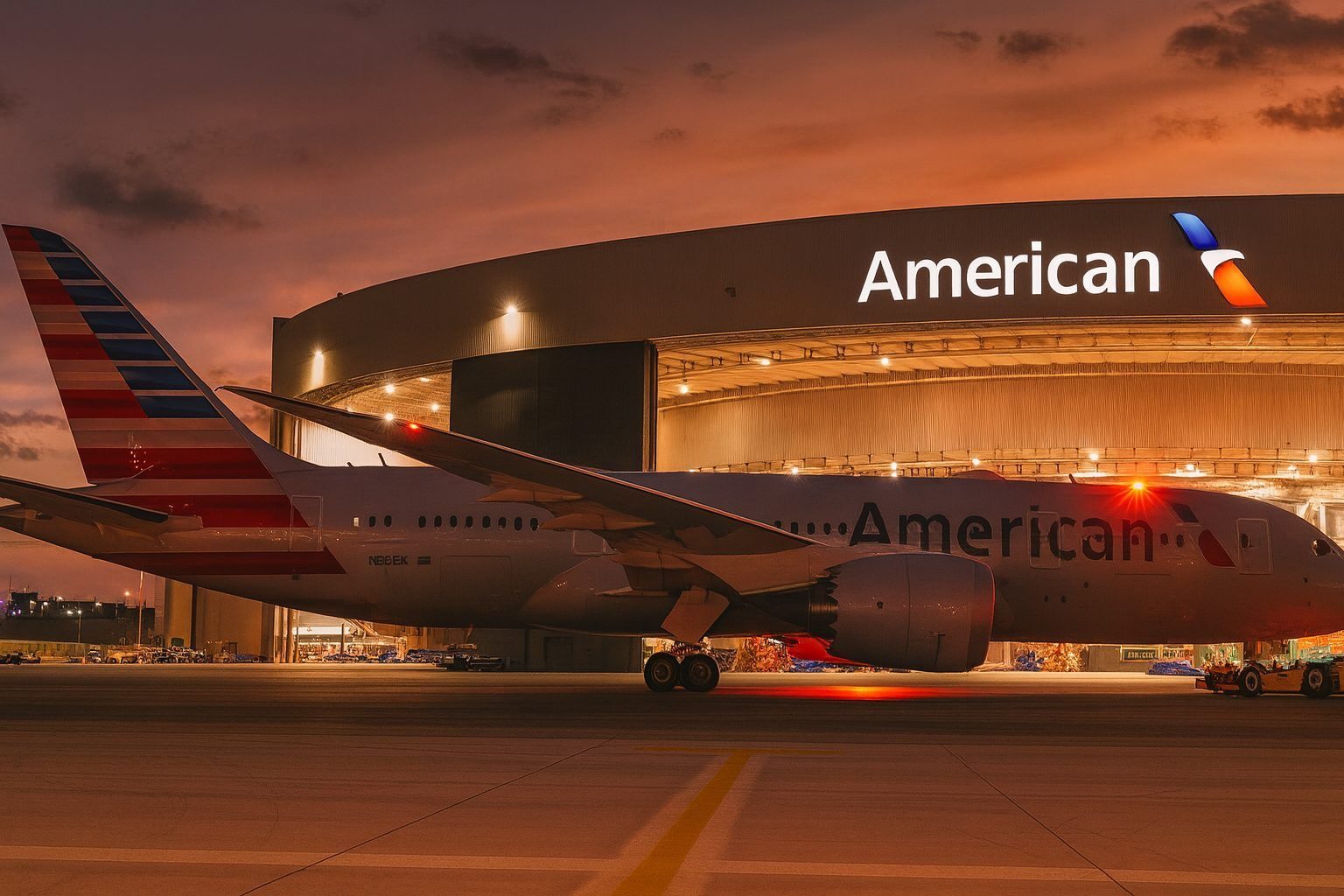
American Airlines Group, Inc. (AAL) has seen a slight increase in its stock price despite ongoing operational challenges and political turbulence. As of November 28, 2025, the stock closed at $14.05, marking a 0.86% increase for the day. The stock is currently trading about 26% below its 52-week high of $19.10. The article highlights the airline’s fleet largely returning to service after a surprise Airbus A320 software recall, indicating a positive operational turnaround. The stock’s performance reflects investor confidence amidst these developments.
Key Points:
- American Airlines stock closed at $14.05 on November 28, 2025, up 0.86% from the previous close.
- The stock is currently trading approximately 26% below its 52-week high of $19.10.
- The airline’s fleet has largely returned to service following a surprise Airbus A320 software recall.
- Market conditions are characterized by operational headlines and political turbulence, yet investor sentiment remains cautiously optimistic.
Actionable Takeaways:
- Stock Performance as an Indicator: The slight increase in American Airlines’ stock price suggests a positive investor sentiment despite operational challenges. This could indicate confidence in the airline’s ability to navigate through current issues and return to profitability. For stakeholders, this may signal a potential buying opportunity or a reassessment of the airline’s future performance.
- Focus on Fleet Recovery: The successful return of the fleet to service post-software recall is a significant operational achievement. Airlines should prioritize similar technological recalls and fleet management strategies to enhance operational efficiency and restore investor confidence. This could serve as a model for other airlines facing similar challenges.
- Market Sentiment Amid Turbulence: Despite the backdrop of political turbulence and operational headlines, the stock’s performance indicates a resilient market sentiment. Investors may be focusing on long-term prospects rather than short-term setbacks. This resilience could be attributed to effective communication strategies and transparent management of operational issues, which are crucial for maintaining investor trust.
Contextual Insights:
The article reflects the broader challenges and resilience seen in the travel industry during periods of uncertainty. The Airbus A320 software recall highlights the critical importance of technological reliability in maintaining operational continuity. This incident underscores the need for robust quality control processes in aviation technology, which can serve as a lesson for other sectors reliant on complex technological systems. Furthermore, the stock’s performance amidst political turbulence suggests that investor confidence in the airline sector may be more resilient than perceived, possibly due to effective crisis management and transparent communication from the company. This resilience is particularly noteworthy in the context of the ongoing global travel recovery, where airlines must balance operational challenges with investor expectations. The article also points to the broader trend of airlines leveraging technological advancements to navigate through operational disruptions, a trend that is likely to continue shaping the industry’s future.
Read the Complete Article.