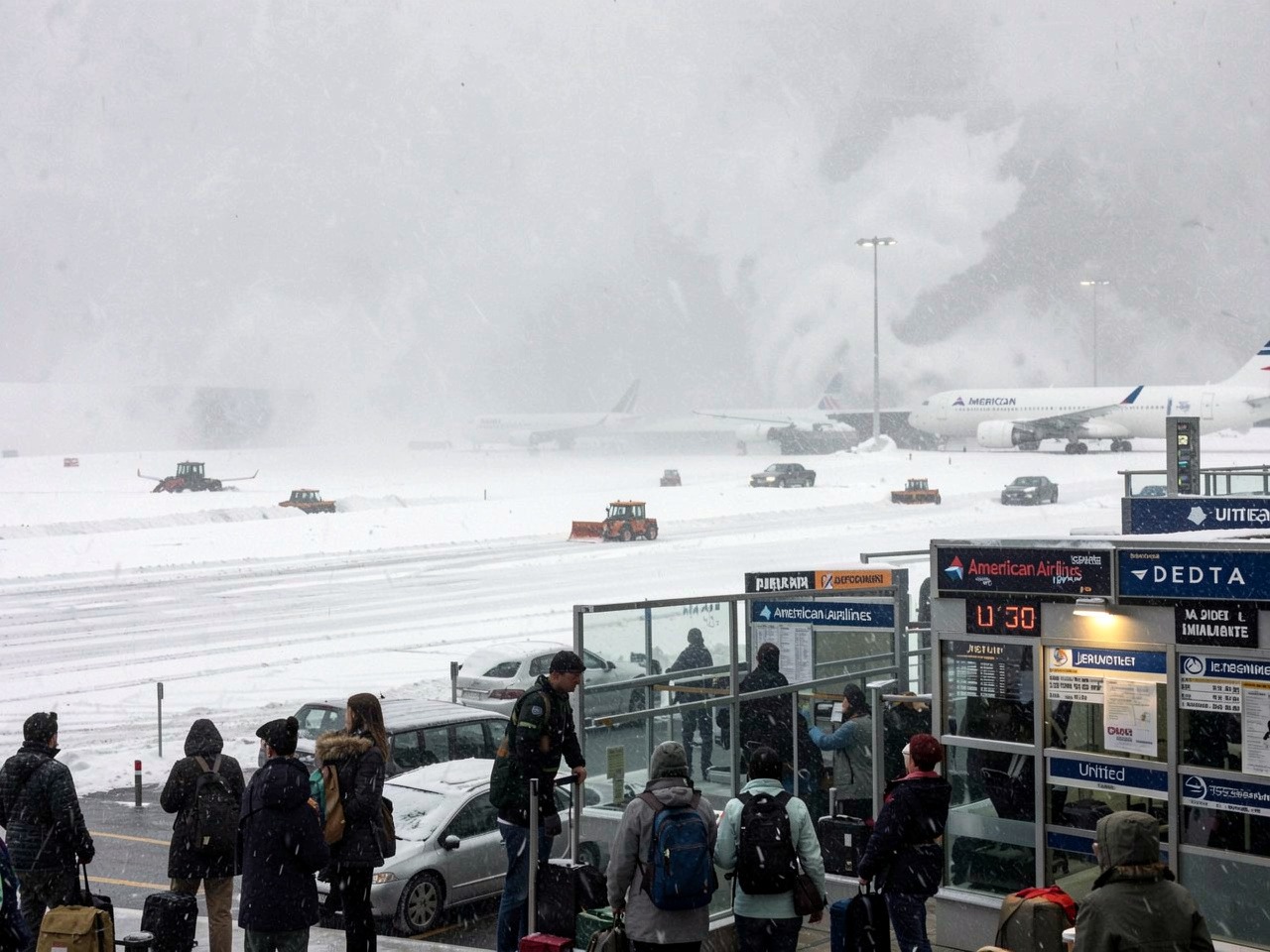
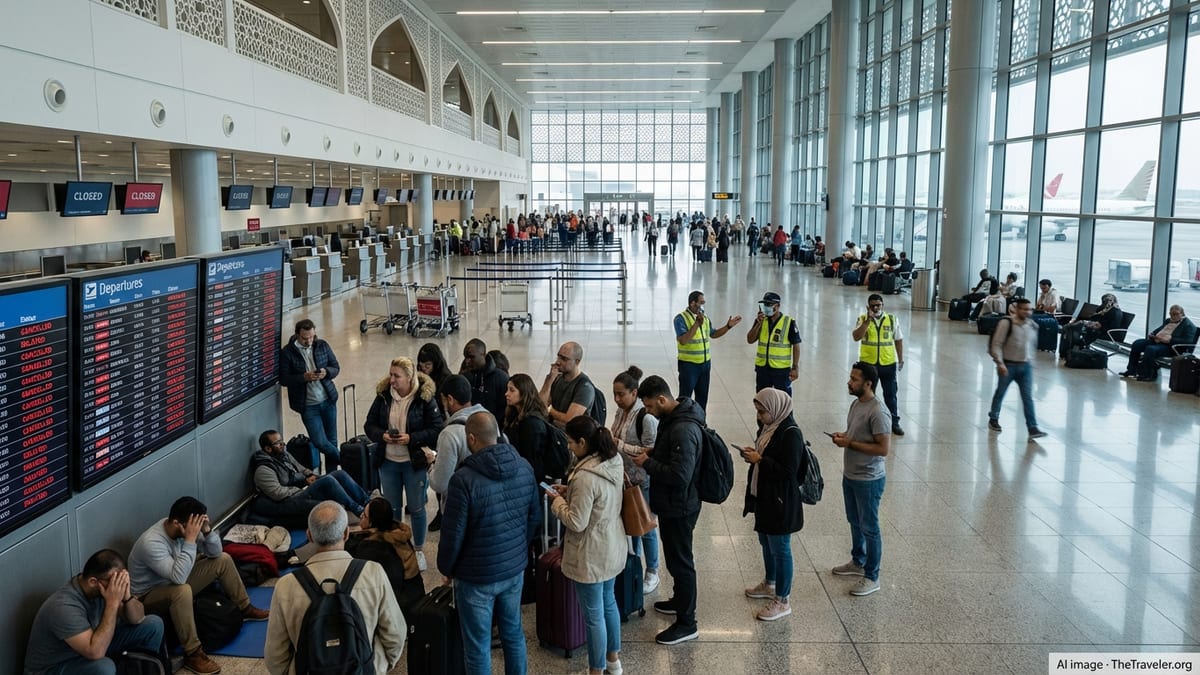
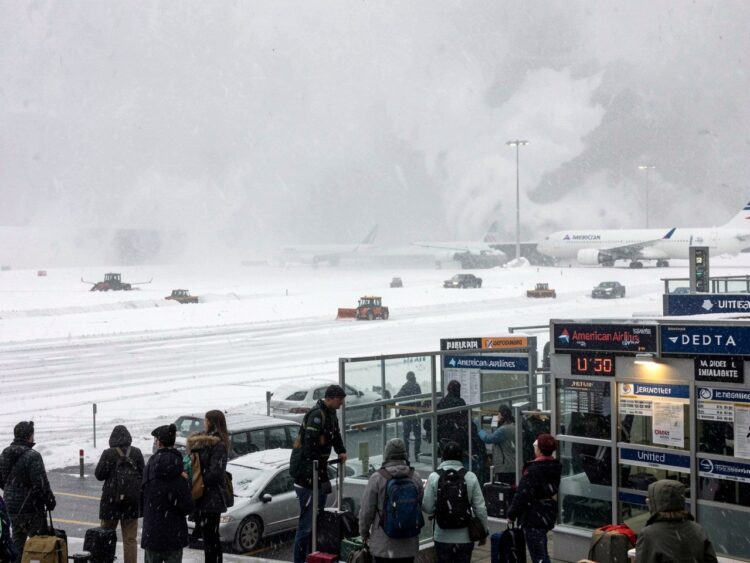
The article reports that major U.S. airlines, including American Airlines, Delta, JetBlue, United, Southwest, Alaska Airlines, and Spirit, have collectively canceled 6,400 flights due to a historic nor’easter threatening New York City, New Jersey, and Connecticut. This weather event has significantly disrupted travel plans in the region, impacting thousands of passengers. The summary captures the main theme of the disruption caused by the nor’easter and highlights the scale of flight cancellations, providing a clear picture of the immediate impact on the travel industry and its stakeholders.
Key Points:
A historic nor’easter is causing widespread flight cancellations across major U.S. airlines.
The disruption affects American Airlines, Delta, JetBlue, United, Southwest, Alaska Airlines, and Spirit, with a total of 6,400 flights canceled.
The nor’easter is threatening major travel hubs in New York City, New Jersey, and Connecticut, leading to significant travel disruptions.
Actionable Takeaways:
Flight Cancellation Impact: Airlines should prioritize customer communication and offer alternative travel solutions, such as rebooking options or refunds, to mitigate passenger dissatisfaction and maintain brand loyalty. This is crucial as disrupted travel can lead to negative customer experiences and reputational damage.
Operational Preparedness: Airlines should enhance their operational readiness for severe weather events by improving real-time flight tracking, communication systems, and contingency planning. This proactive approach can reduce the impact of future disruptions and improve overall service reliability.
Travel Advisory Enhancements: Travel agencies and booking platforms should update their travel advisories and offer flexible booking options to accommodate travelers affected by weather-related cancellations. This can help in managing customer expectations and ensuring smoother travel experiences during adverse weather conditions.
Contextual Insights:
The nor’easter’s impact on flight operations underscores the vulnerability of the travel industry to severe weather events. This incident highlights the importance of integrating advanced weather forecasting technologies and real-time communication systems to enhance operational resilience. As climate change continues to increase the frequency and intensity of such weather events, the travel industry must invest in robust contingency planning and customer service strategies. Thought leaders in the travel sector emphasize the need for innovation in travel tech to provide seamless alternatives for affected travelers, such as dynamic rebooking options and enhanced digital support. This not only addresses immediate disruptions but also sets a precedent for future weather-related challenges, ensuring the industry remains agile and responsive to evolving environmental conditions.