

![Songjeong Beach is crowded with surfers. [Yonhap News]](https://images.traveltrade.today/wp-content/uploads/2026/04/Busan-Develops-Wellness-Tourism-Products.png)


















Travel Capitalist Ventures Expands Check Size to $10 Million to Deepen Emerging Market Conviction
Boutique Travel VC raises investment cap from $1.5M to $10M to lead rounds and support portfolio companies through growth Travel...
Read moreDetails
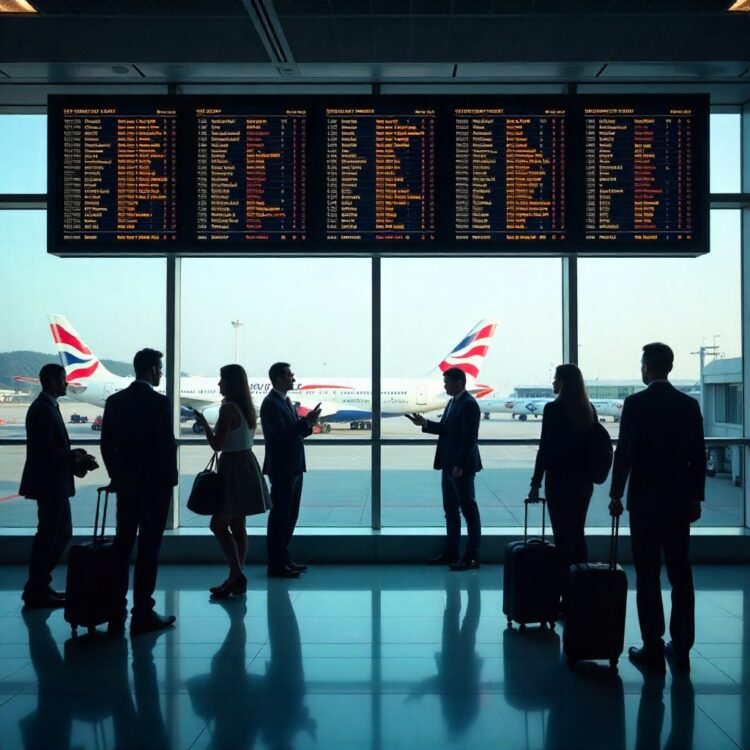
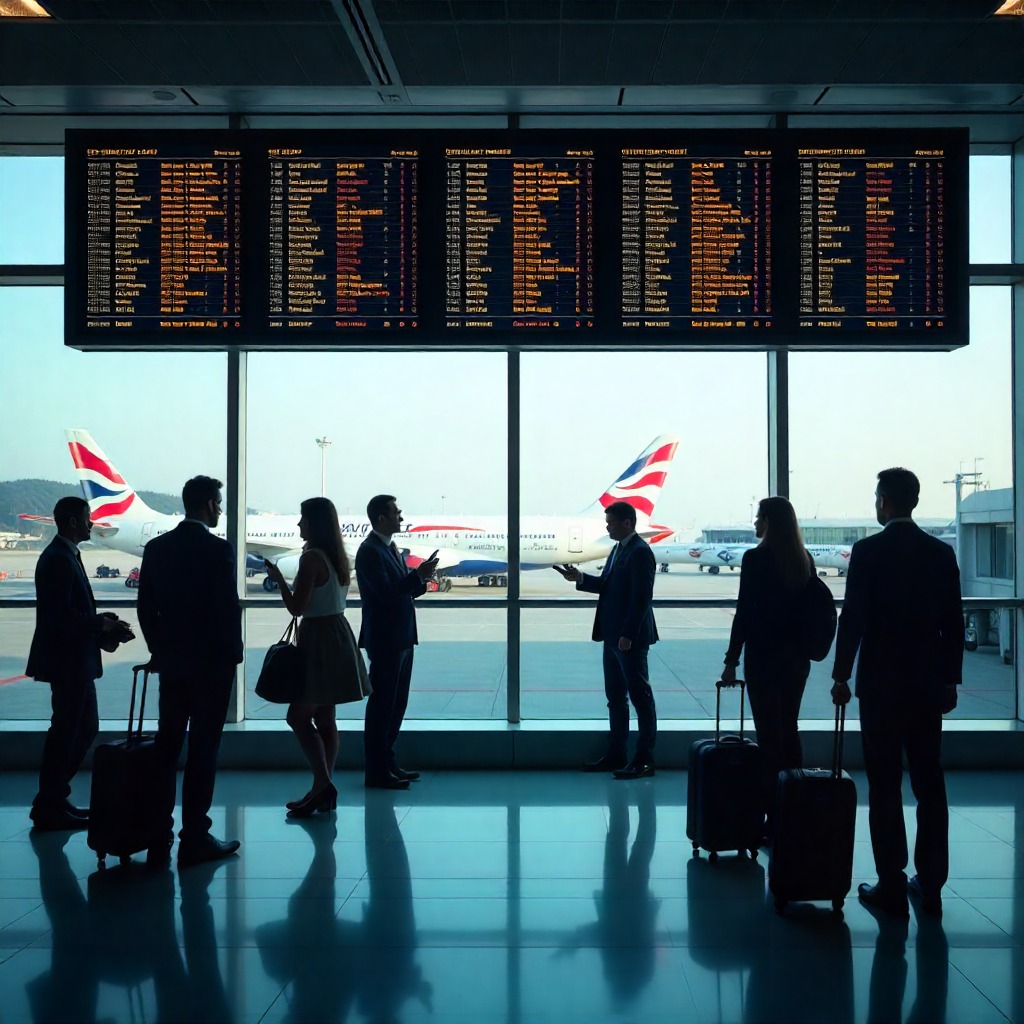
American Airlines, Delta, United & Southwest Debate Privatizing Air Traffic Control in the U.S., How...
Article Summary:
The article discusses a debate among American Airlines, Delta, United, and Southwest regarding the privatization of air traffic control (ATC) in the United States. This potential shift could significantly transform the airline industry, airports, and hospitality sectors. The article highlights the complexities and implications of such a move, emphasizing the need for a balanced approach that considers the interests of all stakeholders involved.
Key Points:
Actionable Takeaways:
Contextual Insights:
The debate over privatizing ATC reflects broader trends in the travel industry towards greater efficiency and innovation. As the industry continues to evolve, the role of technology and startups in reshaping traditional sectors like air traffic control becomes increasingly significant. Thought leaders emphasize the importance of balancing innovation with regulatory safeguards to ensure that advancements benefit all stakeholders, including airlines, airports, and travelers. This article aligns with current industry trends by highlighting the potential for transformative changes in how air traffic is managed and the subsequent ripple effects across the travel ecosystem.
Read the Complete Article.
Boutique Travel VC raises investment cap from $1.5M to $10M to lead rounds and support portfolio companies through growth Travel...
Read moreDetails



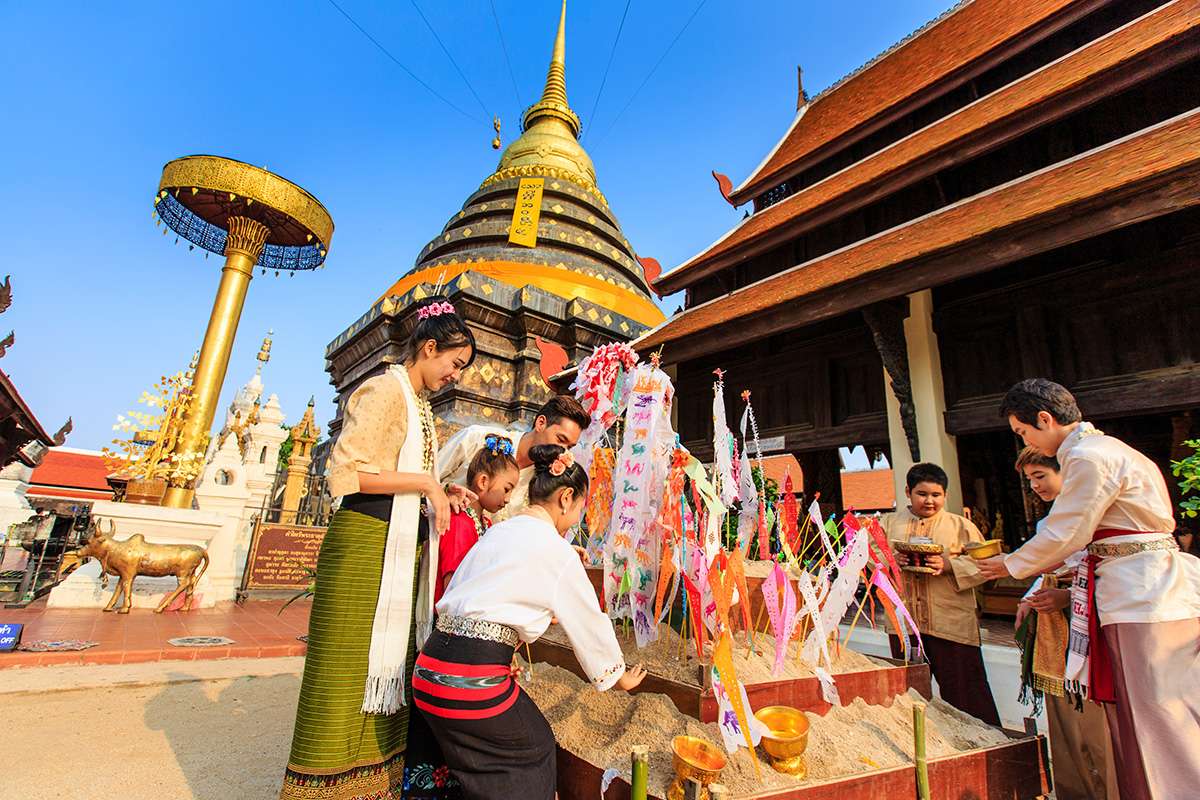
Comprehensive Summarization: The article discusses Thailand's ambitious "365-Day Destination" vision, aimed at elevating high-value tourism, enhancing safety standards, expanding infrastructure,...
Read moreDetails
