



















Travel Capitalist Ventures Expands Check Size to $10 Million to Deepen Emerging Market Conviction
Boutique Travel VC raises investment cap from $1.5M to $10M to lead rounds and support portfolio companies through growth Travel...
Read moreDetails
American Airlines, Delta, and United Airlines Face Disruptions—New Bipartisan Bill Could Save Future...
Article Summary:
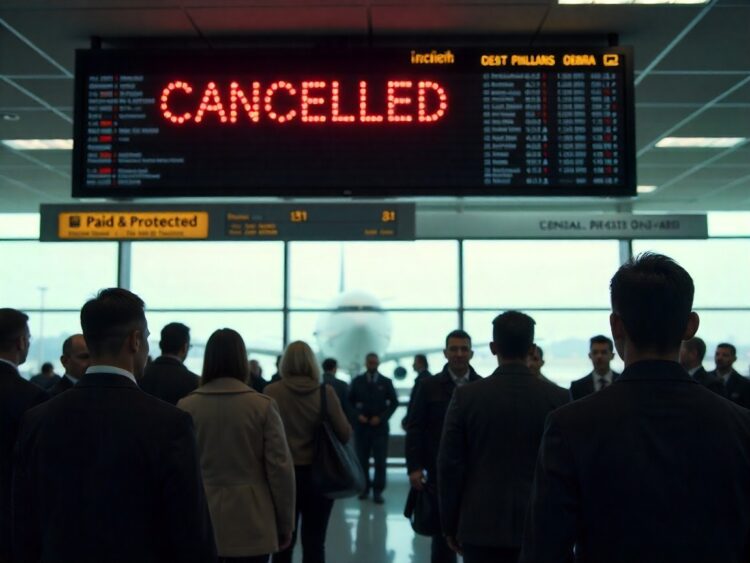
The article highlights a significant legislative effort aimed at securing air traffic controller pay, which could potentially prevent future travel disruptions. This bipartisan bill is particularly relevant as it comes just in time for the holiday travel rush, addressing concerns over disruptions faced by major airlines such as American Airlines, Delta, and United Airlines. The context underscores the importance of maintaining a stable aviation system, especially during peak travel seasons, and the bill’s potential to secure air traffic controllers’ pay as a preventive measure against future chaos.
Key Points:
Legislative Effort to Secure Air Traffic Controller Pay: A major U.S. legislative initiative has been introduced to ensure that air traffic controllers receive secure pay, aiming to prevent future travel disruptions.
Relevance to Holiday Travel Rush: The bill is timed to coincide with the holiday travel season, addressing concerns over potential airline disruptions during this busy period.
Impact on Major Airlines: The disruptions faced by American Airlines, Delta, and United Airlines serve as a backdrop, emphasizing the need for legislative intervention to stabilize the aviation system.
Actionable Takeaways:
Strengthening Air Traffic Regulation: The introduction of the bipartisan bill to secure air traffic controller pay underscores the importance of regulatory measures in maintaining aviation stability. For industry stakeholders, this highlights the need for proactive legislative advocacy to ensure the sustainability of air travel operations, particularly during peak travel seasons.
Investment in Air Traffic Control Infrastructure: The focus on securing pay for air traffic controllers suggests a broader push towards investing in aviation infrastructure. Companies in the travel tech sector may find opportunities in developing solutions that support enhanced air traffic management systems, thereby contributing to the bill’s objectives and potentially driving innovation in the sector.
Contextual Insights:
The article’s context is deeply rooted in the current state of the travel industry, particularly the challenges faced by major airlines during peak travel seasons. The bipartisan effort to secure air traffic controller pay reflects a broader industry trend towards ensuring operational stability and reliability. This aligns with recent insights from travel thought leaders who emphasize the critical role of air traffic management in maintaining seamless travel experiences. As the industry continues to evolve, with advancements in technology and increasing global connectivity, the focus on securing essential services like air traffic control becomes increasingly vital. The bill not only addresses immediate concerns over travel disruptions but also sets a precedent for future legislative actions aimed at safeguarding the aviation system against potential chaos. This forward-looking perspective is crucial for stakeholders in the travel industry, as it highlights the need for continuous innovation and regulatory support to navigate the complexities of modern air travel.
Read the Complete Article.
Boutique Travel VC raises investment cap from $1.5M to $10M to lead rounds and support portfolio companies through growth Travel...
Read moreDetails



Comprehensive Summarization: Ethiopian Airlines celebrated its 80th year of service on April 8, 2026, marking a significant milestone in the...
Read moreDetails